Pest Library
Vole runways after snowmelt: reading a damaged lawn
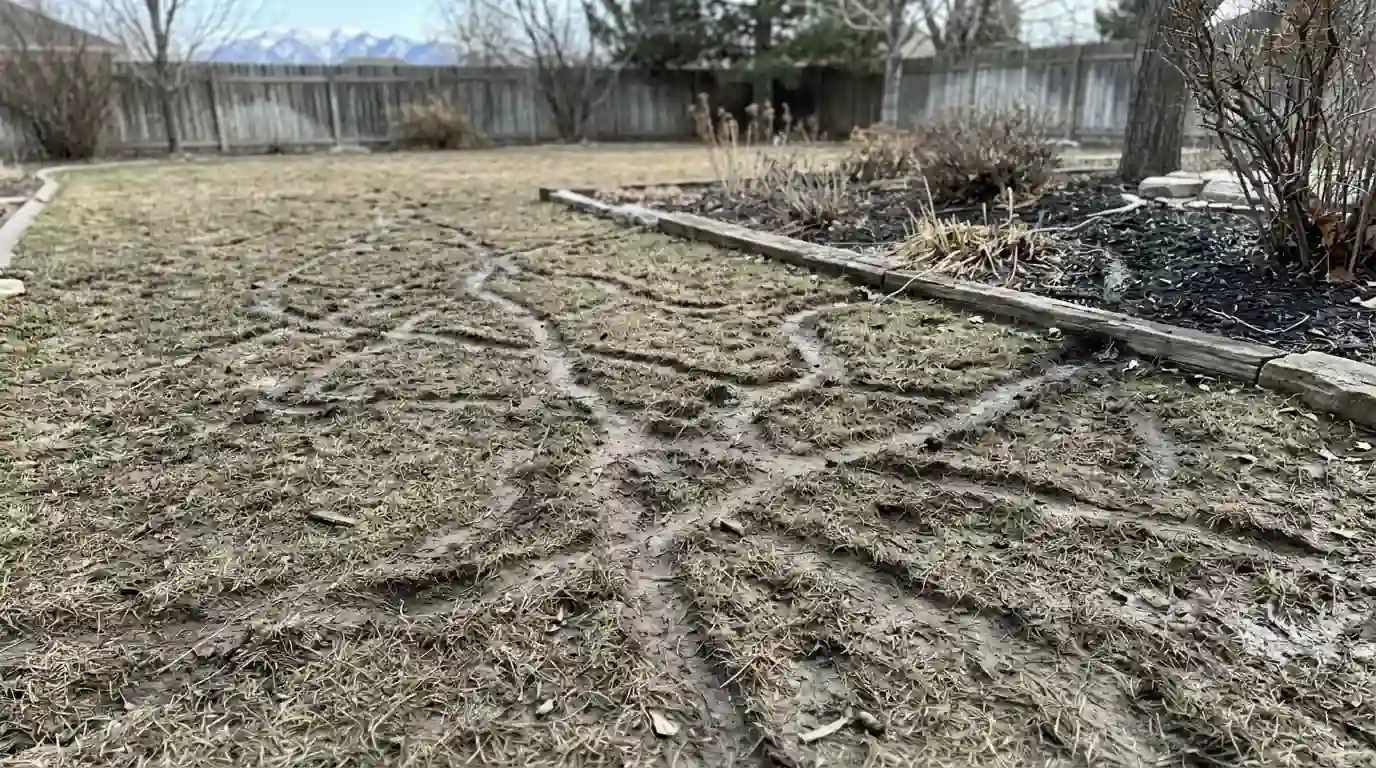
The snow melts and the lawn looks like someone drew on it. Those trails are vole runways, and they tell you a lot about what happened under the snow.
By Alvin Fairbanks, Pest Control Guides Editor
Updated September 2026 4 min read
Short answer
Vole runways are one to two inch wide trails of dead or matted grass that appear as the snow melts. Voles, small short-tailed rodents, tunnel through the grass under snow cover all winter. Lawns usually recover with raking and water; young trees chewed around the base may not. The best time to get ahead of voles is fall, before snow cover.
What you're looking at
Runways are surface trails, not tunnels in the soil. You'll see winding paths of flattened or dead grass, sometimes with small burrow holes and clipped grass along them.
They show up all at once at snowmelt because the voles made them over months under the snow, out of sight.
USU Extension explains that voles tunnel under snow cover all winter in Utah, and their runways, one to two inches wide, and girdled trees show up when the snow melts. The extension reported voles turning up throughout Utah as the record 2023 snowpack melted, and populations tend to peak every two to five years. A deep-snow winter in a peak year is when lawns look the worst.
Voles, gophers or moles?
Each leaves a different sign, and the fix is different.
- Voles: surface runways and golf-ball-sized holes
- Pocket gophers: fan-shaped soil mounds with a plug to one side
- Moles: round volcano-shaped mounds and raised ridges, and uncommon around Salt Lake
Will the lawn recover?
Usually, yes. Rake out the runways to loosen the matted grass, water, and fertilize once the lawn is actively growing. Thin spots can be overseeded. Most lawns look normal again within a few weeks of growth.
Check your trees and shrubs
The bigger worry is bark. Voles chew bark at the base of young trees and shrubs under the snow. If the chewing goes all the way around the trunk, the tree may not survive. Look at the base of young trees as soon as the snow is gone.
Getting ahead of next winter
Most vole control is best done in fall, before snow cover protects them.
- Mow the lawn short going into winter
- Pull mulch back from tree trunks
- Wrap young trees with hardware cloth guards
- Use covered bait stations or runway traps in fall
Sources
Often, especially in peak years. Fall prevention makes the biggest difference.
Yes, if they chew bark all the way around the trunk.
Rarely, though they can get into garages and window wells.
Golf-ball-sized holes along runways usually are; fan-shaped mounds are gophers.
Fall, before snow cover, with follow-up in spring if needed.
Populations cycle, peaking every two to five years, and deep snow helps them survive.
Keep reading
More from the Pest Library
Mice and the first freeze: sealing a Salt Lake home in October
The gaps mice use when nights drop toward freezing, room by room.
Read the articlePest LibraryQuarterly pest plan or one-time treatment?
How to decide which fits your home, your pests and your budget.
Read the articlePest LibraryWhat pest control costs in Salt Lake City
Published price ranges for common jobs, and what moves a quote up or down.
Read the articleTalk to us
Lawn full of runways?
Call now to treat the voles and protect your trees before next winter.
Homes, rentals and businesses across Salt Lake, Davis, Weber, Box Elder, Morgan, Tooele and Utah counties.
