Spiders, ants & crawling insects
Boxelder bug control in Salt Lake City, UT
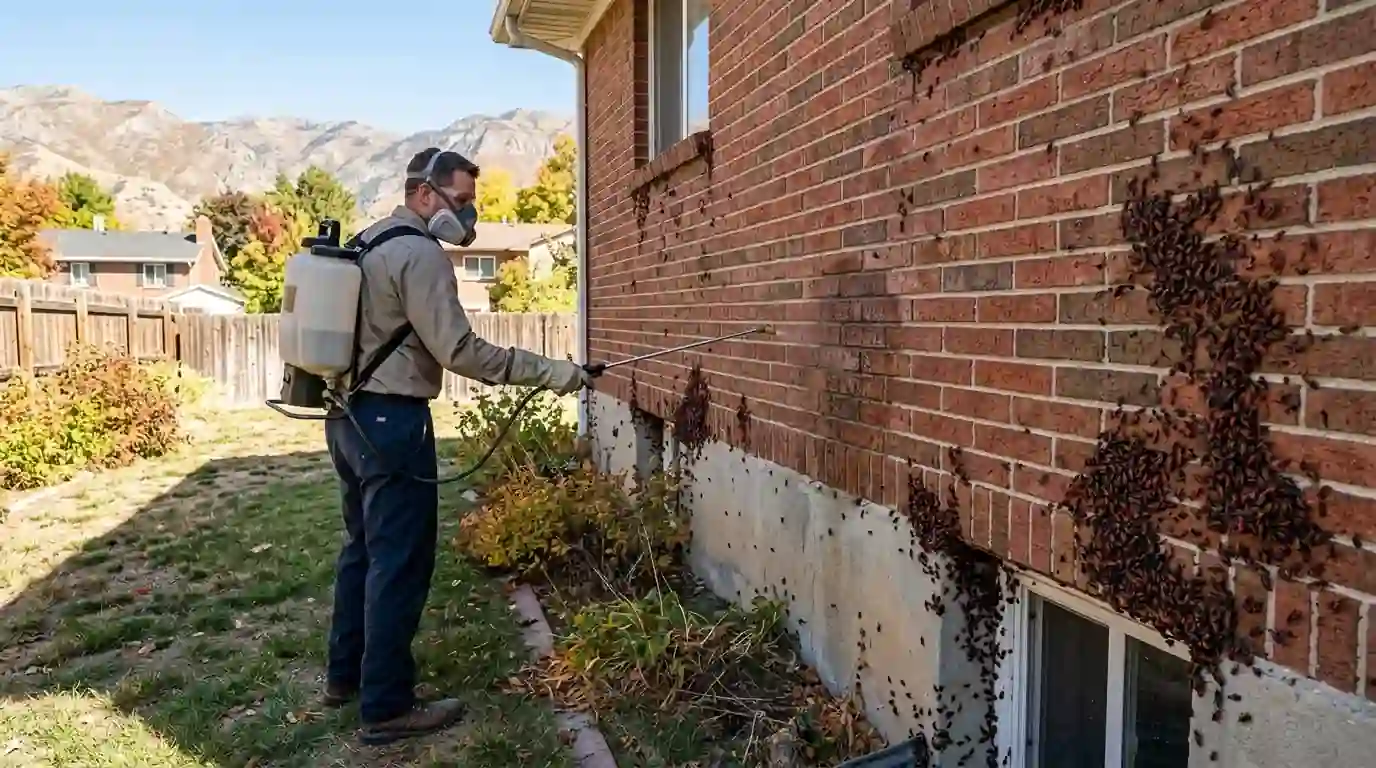
Every September the south wall turns red and black. Boxelder bugs are harmless but relentless, and the time to stop them is before they crawl into the walls for winter.
Most active
- Spring
- Summer
- Fall
- Winter
Quick answer
Boxelder bug control in Salt Lake City is about timing. The bugs gather on sun-heated south and west walls in August and September, then push through gaps to spend the winter inside walls and attics. Treating those walls and sealing the gaps before they move in works far better than vacuuming them out of the windows in spring.
At a glance
- Best for
- Clusters on sunny walls and bugs inside in fall or spring
- Best timing
- Mid to late August, before they move in
- How it works
- Wall treatment plus sealing entry gaps
- Follow-up
- A fall visit every year for homes near host trees
Overview
Harmless, but they don't stop coming
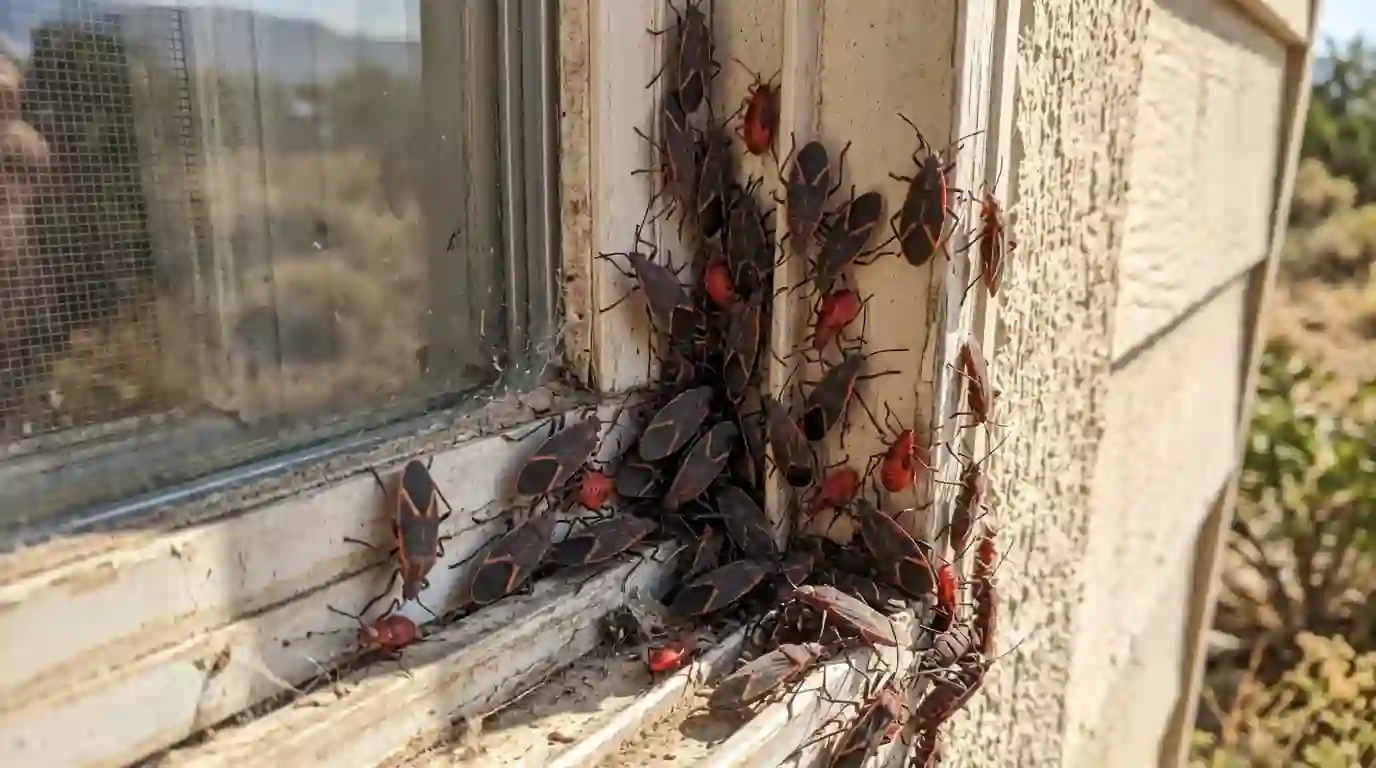
Boxelder bugs don't bite, don't breed indoors and don't damage the house. The trouble is numbers. On a warm September afternoon thousands can cover a south-facing wall, and every gap around a window frame, soffit or attic vent becomes an entrance.
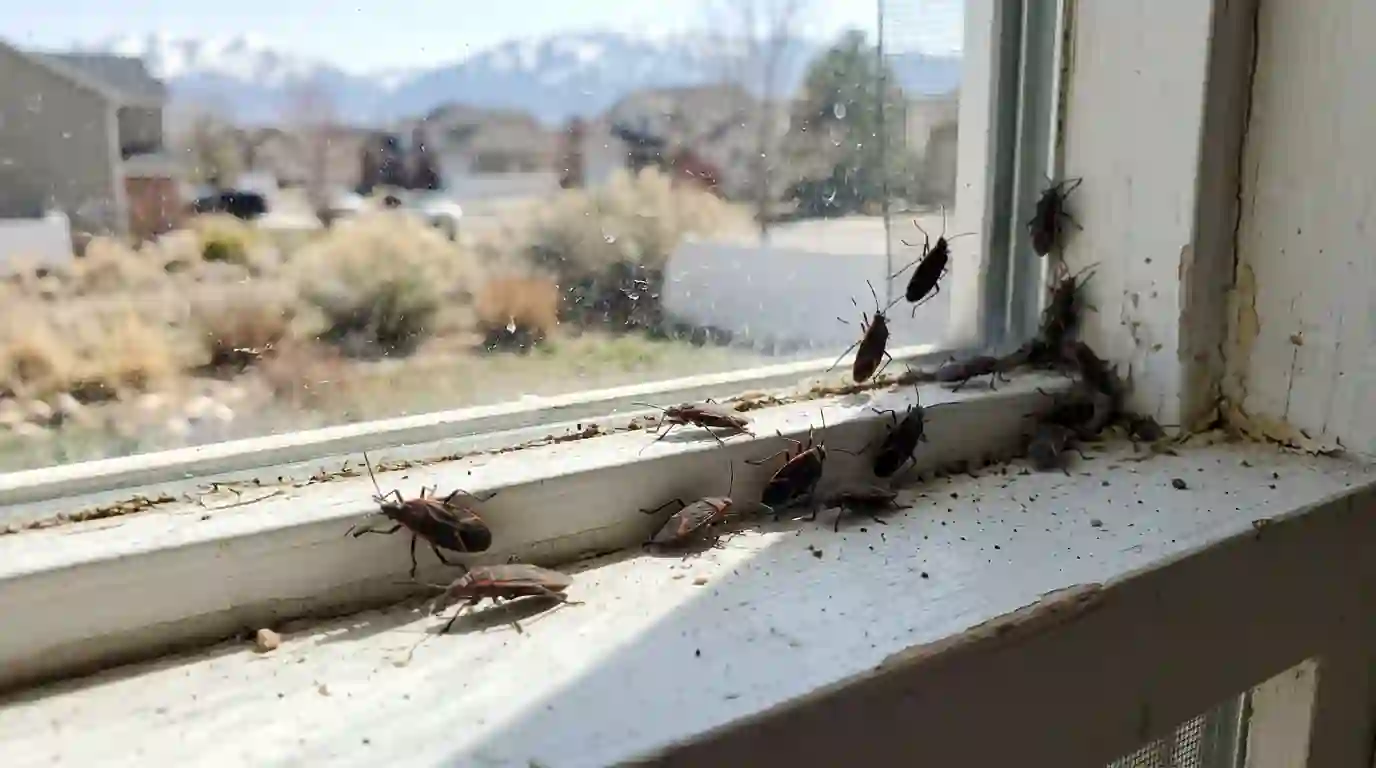
Once inside, they spend the winter in wall voids and attics. On warm winter days and in early spring they wake up and wander toward the light, which is why they turn up on window sills, in light fixtures and all over sunny rooms long after the fall invasion.
Control works best as a late-summer job: treat the walls where they gather, seal the entry points on the sunny sides and deal with any that got inside before it gets cold.
What it covers
Boxelder bug work we do
South and west wall clusters
Treatment of the sun-heated walls, eaves and window frames where the bugs gather in late summer.
Attic and wall void overwintering
Gaps at soffits, attic vents, siding joints and window trim found and closed where we can.
Spring re-emergence indoors
Help with bugs that wake up inside on warm days, plus the fixes that stop next year's wave.
Before we arrive
Getting ready for a boxelder treatment
- Tell us which walls get covered first.
- Clear patio furniture and decor off the sunny walls.
- Close windows on treatment day.
- Unlock gates to the sunny side of the house.
- Keep pets inside until treated walls dry.
- Point out window screens with gaps or tears.
- Show us attic access if bugs have been getting up there.
- Note any maple, ash or boxelder trees on or near the lot.
How the visit goes
How a boxelder treatment goes
Find the gathering walls
South and west walls, eaves and window frames that bake in the afternoon sun.
Treat the walls
A residual treatment where the bugs rest and crawl before they go inside.
Seal what we can
Gaps around window trim, siding joints, soffits and attic vents on the sunny sides.
Check inside
Attics and upstairs rooms if bugs are already getting in.
Plan next year
A reminder visit in August, and advice on screens, gaps and nearby host trees.
Salt Lake conditions
Why late summer is boxelder season here
In Utah, boxelder bugs feed on maple, ash, stone fruit, apple, grape and grass, and they're known for going after ripe peaches. In August and September they gather in large numbers on south-facing, sun-heated walls, then push indoors to overwinter. Neighborhoods with mature maples and boxelder trees see the heaviest waves, and a single tree nearby can supply a whole block. That's why the treatment window here is short and why it pays to be early.
Cutting down a host tree rarely solves it, since bugs fly in from the rest of the block. Treating and sealing the house does.
Sources: extension.usu.edu, extension.usu.edu
Warning signs
Signs you're in for a boxelder season
Sign 01
Clusters on the south wall
Bugs gathering on sunny siding in August is the start of the move indoors.
Sign 02
Bugs around window frames and vents
Traffic at trim gaps and attic vents means they're finding a way into the walls.
Sign 03
Bugs inside on warm winter days
Boxelder bugs waking up indoors means they overwintered in the walls or attic.
Sign 04
Host trees nearby
Maples and boxelder trees on or near the lot keep supplying new bugs every year.
Sign 05
Worse every year
Numbers that grow each fall mean the entry points are still open.
Your options
Ways to handle boxelder bugs
| Option | Best for | How it works | Trade-off |
|---|---|---|---|
| Late-summer wall treatment | Most homes | Treats the sunny walls before bugs move in | Timing matters; too late and they're already inside |
| Sealing entry points | Homes with repeat invasions | Closes gaps on the sunny sides | Some gaps are high or hard to reach |
| Indoor clean-up only | A few stragglers in spring | Vacuuming bugs from windows and sills | Doesn't stop next year's wave |
Cost
What boxelder bug control costs
Priced like an exterior treatment, with extra time for sealing.
Published range
A general exterminator visit typically runs about $100 to $260. Source: angi.com, checked September 2026.
Wall area
Two-story sunny walls and gables take more time and ladder work.
Sealing work
More gaps around trim, vents and siding add time.
Timing
An August visit is lighter than dealing with bugs already in the walls.
Attic work
Bugs already overwintering in attics may need extra treatment.
Repeat visits
Homes near host trees benefit from a yearly fall visit.
Do it yourself?
What helps with boxelder bugs
What you can do today
- Repair torn window screens and add weather stripping on sunny-side windows.
- Vacuum bugs off walls and sills and empty the vacuum outside.
- Pick up fallen fruit and seeds from host trees.
- Book the treatment for mid to late August.
What to leave alone
- Crushing them on light walls or curtains, which leaves stains.
- Waiting until October, when most are already inside.
- Spraying indoor areas with foggers.
- Cutting down a host tree and expecting the bugs to stop.
Timing
What to expect after treatment
- Same weekBugs on treated walls die off quickly.
- Rest of the fallFar fewer bugs gather and fewer find a way in.
- Winter and springA few that got in earlier may still appear on warm days.
- Next AugustA yearly visit before the migration keeps it under control.
Beat them to the wall
A mid-August treatment and a few sealed gaps save a winter of bugs on the windows.
Call (801) 516-0135Sun-heated south walls are where boxelder bugs gather every September.
For spiders, ants and other crawling insects we choose from product lines like these, matched to the pest and where it hides.
- Demand CS
- Suspend PolyZone
- Temprid
- Tempo
- Alpine WSG
- Advion
- Maxforce
- Gentrol
FAQ
Boxelder bug control questions from Salt Lake homeowners
Still unsure? (801) 516-0135 is answered around the clock.
No. They don't bite people, damage the house or breed indoors. They're a nuisance because of their numbers and the stains they leave when crushed.
Mid to late August, before they move from the walls into gaps. Once they're in the walls, treatment is harder.
Boxelder bugs gather on sun-heated walls in August and September before looking for a place to spend the winter.
Usually, especially if maple or boxelder trees are nearby. A yearly late-summer visit keeps numbers down.
Bugs that got into the walls wake up on warm days and head for the light, which puts them on sunny windows.
It rarely solves it, since bugs fly in from nearby trees too. Treatment and sealing gaps work better.
Yes, vacuuming is a good way to remove bugs indoors. Empty the bag or canister outside.
Related services
More from spiders, ants & crawling insects
From the Pest Library: Why boxelder bugs cover south walls every September
Talk to us
Is the south wall already turning red?
Call now to get the walls treated before the bugs move inside for the winter.
Homes, rentals and businesses across Salt Lake, Davis, Weber, Box Elder, Morgan, Tooele and Utah counties.
