Wasps, bees & flying insects
Fly control in Salt Lake City, UT
Fruit flies over the sink, drain flies in the basement bathroom, sluggish cluster flies in the upstairs windows every fall. Each fly has a different source, and finding it is most of the job.
Most active
- Spring
- Summer
- Fall
- Winter
Quick answer
Fly control starts with the source. House flies breed in garbage and pet waste, fruit flies in overripe produce and sticky spills, drain flies in the film inside slow drains, and cluster flies spend the winter in attics and wall voids. We find the breeding site, treat it, and add exclusion or light traps where they help. Spraying flies in the air without fixing the source doesn't last.
At a glance
- Best for
- House, fruit, drain and cluster flies, plus restaurants
- Key step
- Finding and removing the breeding source
- Most active
- Summer, with cluster flies in fall
- Visits
- One for most homes; programs for businesses
Overview
Find the source, and the flies stop
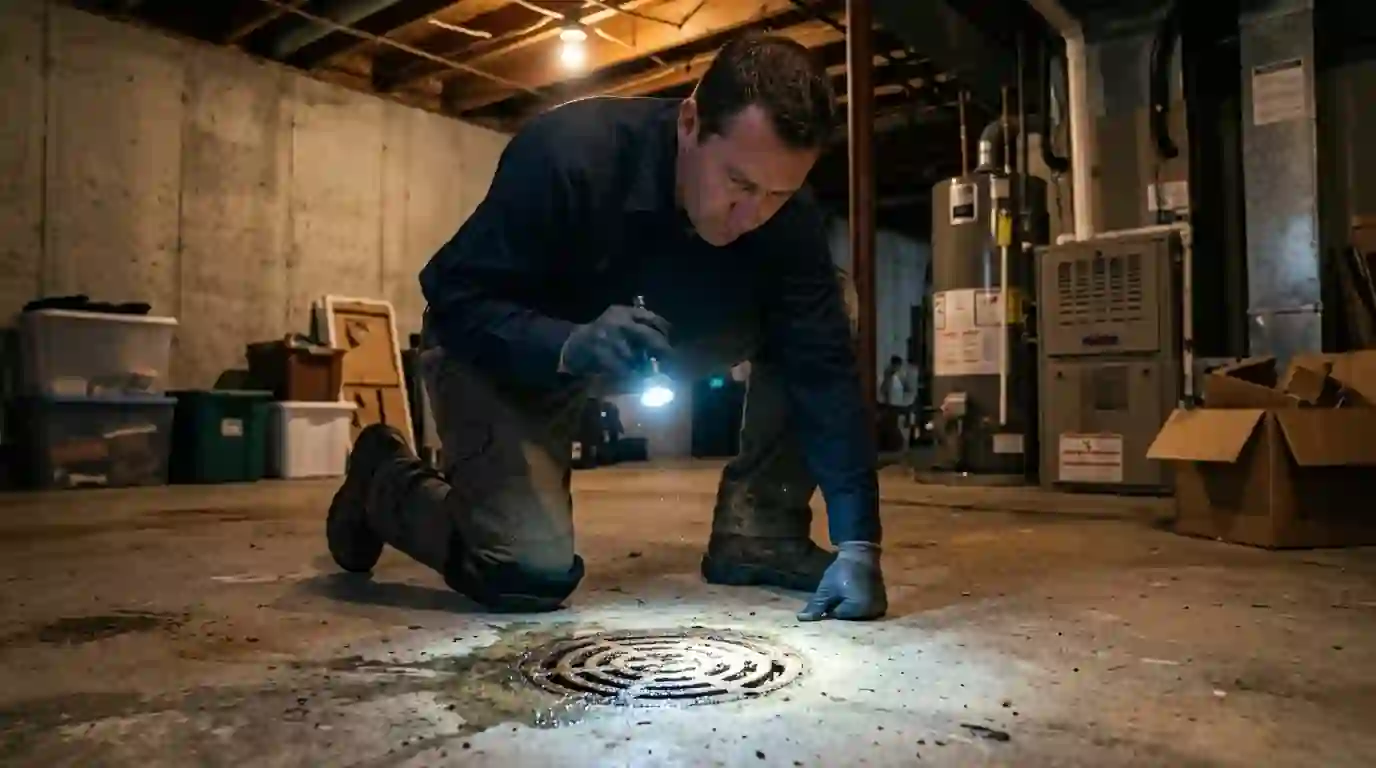
Almost every fly problem traces back to a breeding site. Fruit flies need fermenting food: a forgotten potato, a recycling bin, a sticky spot under the fridge. Drain flies breed in the organic film inside slow drains, floor drains and sump pits. House flies breed in garbage, compost and pet waste.
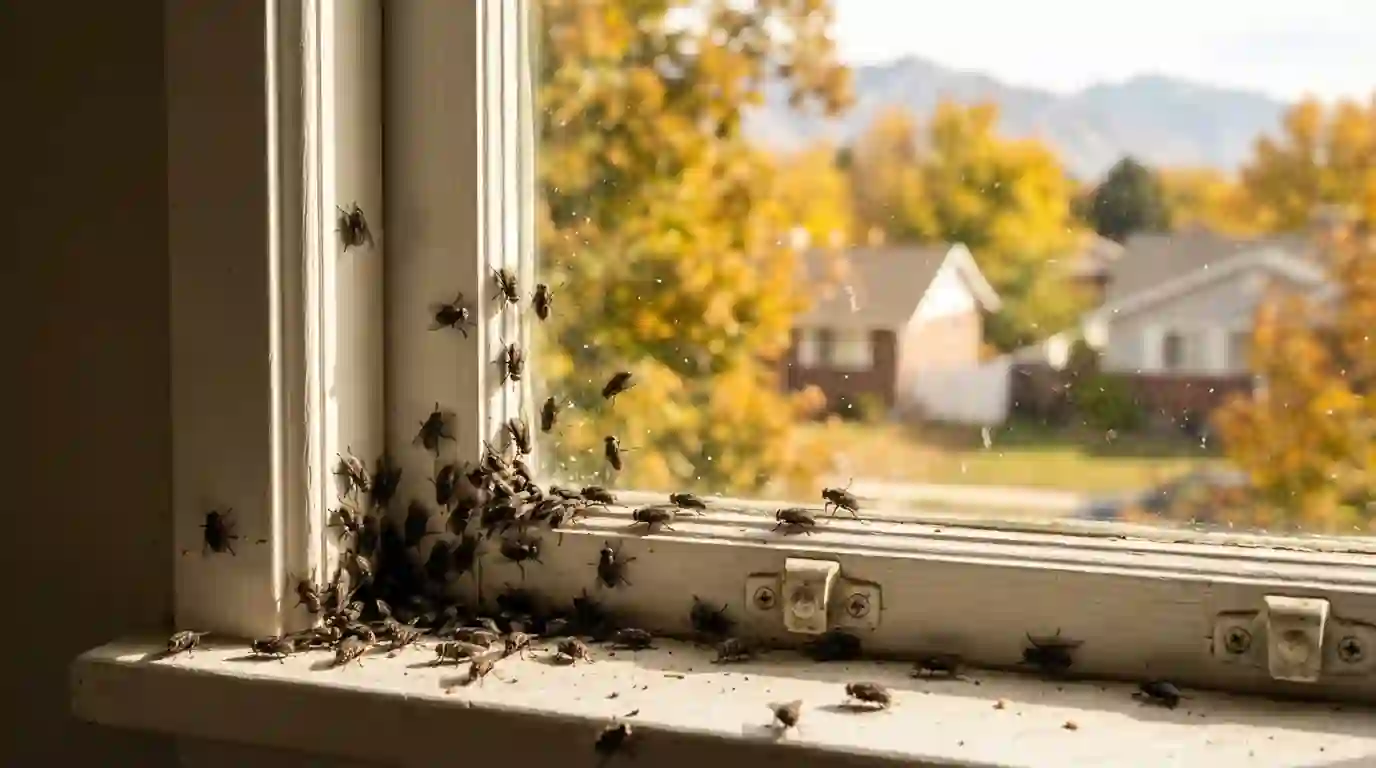
Cluster flies are different. They breed outdoors in lawns, then look for somewhere to spend the winter, working into attics and wall voids through gaps around siding and windows. On warm fall and spring days they wander out to sunny windows, slow and clumsy, often by the dozen.
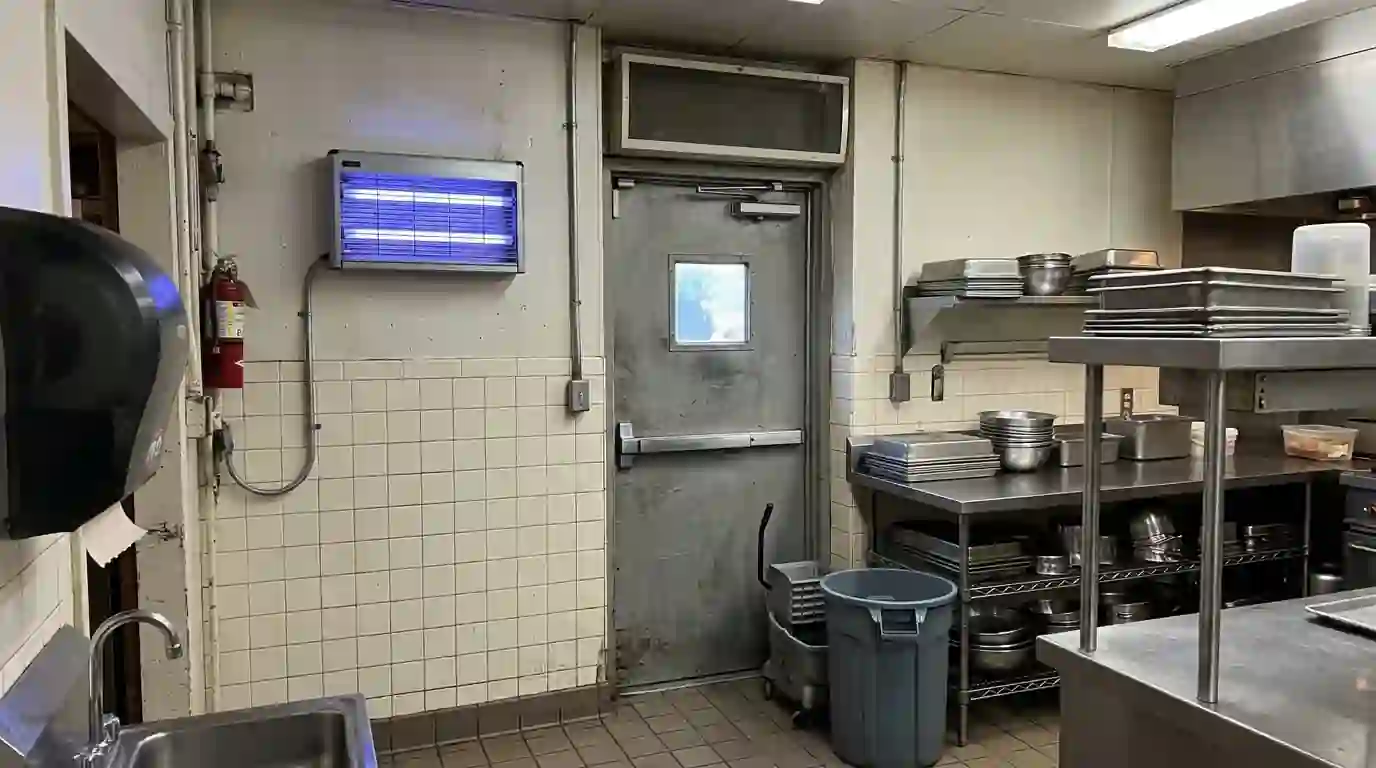
So the visit is mostly detective work: finding the drain, bin, attic or gap that's feeding the flies. Then we treat the source, seal entry points for cluster flies and add light traps where they help, which is standard in restaurant kitchens.
Your options
Fly problems and how we handle them
| Fly | Usual source | What works |
|---|---|---|
| House flies | Garbage, compost, pet waste | Sanitation, screens, baits outside |
| Fruit flies | Overripe produce, spills, recycling | Removing the source, traps, drain care |
| Drain flies | Film in slow drains and floor drains | Cleaning the drain and treating the film |
| Cluster flies | Overwintering in attics and walls | Late-summer exterior treatment and sealing |
| Commercial kitchens | Deliveries, drains, trash areas | Light traps, drain programs and scheduled visits |
Cost
What fly control costs
Most home fly jobs are one visit once the source is found.
Published range
Published figures put gnat and fly treatments at about $150 to $250 per treatment. Source: angi.com, checked September 2026.
Type of fly
Drain and fruit flies are quick once the source is found; cluster flies need exterior work.
How many sources
Several drains or bins mean more time.
Attic access
Cluster flies in attics need access to treat voids.
Commercial program
Restaurants and warehouses usually need scheduled service and light traps.
Follow-up
Some breeding sites need a second check.
What it covers
Fly problems we handle
House flies
Tracing flies to garbage, compost and pet areas, and treating outside where they breed.
Cluster flies in attics
Exterior treatment in late summer and sealing gaps before they move in for winter.
Drain and fruit flies
Finding the drain, bin or produce that's feeding them and cleaning out the source.
Commercial fly lights
Insect light traps and drain programs for restaurant kitchens and food businesses.
Do it yourself?
What helps with flies
What you can do today
- Keep produce in the fridge and empty the recycling often.
- Run hot water and scrub slow drains with a brush.
- Keep garbage lidded and away from doors.
- Repair torn window screens before late summer.
What to leave alone
- Pouring bleach down drains, which doesn't remove the breeding film.
- Swatting cluster flies on light walls, which leaves stains.
- Leaving pet waste in the yard in summer.
- Relying on sprays in the air without finding the source.
How the visit goes
How a fly visit goes
Identify the fly
House, fruit, drain or cluster fly, which points to the source.
Find the source
Drains, bins, produce, attics or outdoor breeding spots.
Treat the source
Drain cleaning and treatment, removal of breeding material, void treatment.
Exclude and trap
Screens and gap sealing, and light traps where they help.
Advise
What to change so the source doesn't come back.
Before we arrive
Before your fly treatment
- Don't clean or treat drains just before the visit.
- Show us where you see the most flies.
- Leave recycling and bins as they are so we can check them.
- Clear access to floor drains and sump pits.
- Open attic access if flies are upstairs.
- Put away food on counters.
- Tell us if you've had a leak or sewage backup.
- For businesses, have the delivery and trash areas accessible.
Warning signs
Signs of a fly breeding site
Sign 01
Flies always in the same room
Flies concentrated in one room point to a source nearby.
Sign 02
Tiny flies around the sink or drain
Drain flies or fruit flies are breeding in the drain or nearby produce.
Sign 03
Slow flies on upstairs windows in fall
Cluster flies overwintering in the attic or walls.
Sign 04
A sour or musty smell
Fermenting food or a dirty drain feeding flies.
Sign 05
Flies in a restaurant kitchen
Drains, deliveries and trash areas need a program, not a one-off spray.
Salt Lake conditions
Salt Lake homes and the fall fly season
Cluster flies look for winter shelter as nights turn cold, and Salt Lake City's average first freeze falls around October 20. Older homes have more ways in: the median home in the city was built in 1965 and about a quarter predate 1940, so gaps around siding, window trim and attic vents are common. That's why cluster fly work here is a late-summer job, done before the flies settle into attics and wall voids.
Drain and fruit flies, on the other hand, are a year-round indoor problem driven by what's in the kitchen and the drains.
Sources: axios.com, point2homes.com
Dusts, residual sprays and mosquito traps from product lines like these, chosen for the nest and the spot.
- Tempo
- Demand CS
- Suspend PolyZone
- Alpine WSG
- In2Care
- Gentrol
Timing
How long fly control takes
- Same dayOnce the source is removed, new flies stop hatching.
- A few daysAdults already flying die off within days.
- Cluster fliesA few may still wander out on warm days until spring.
- Commercial programsScheduled visits keep light traps and drains maintained.

Most fly problems are one drain or one bin away
Find the source and the flies stop. Everything else is just swatting.
Call (801) 516-0135Floor drains and slow sinks are where drain flies breed.
FAQ
Fly control questions from Salt Lake homeowners
Still unsure? (801) 516-0135 is answered around the clock.
Usually drain flies breeding in the film inside the drain, or fruit flies drawn to produce or the disposal. Finding which one tells us how to fix it.
Not usually. It passes through without removing the film where the larvae live. Scrubbing and treating the drain works better.
Most likely cluster flies, which spend the winter in attics and wall voids and wander out on warm days.
Treat the exterior in late summer and seal gaps around siding, trim and vents before they move in.
Yes. Restaurant programs include light traps, drain work and scheduled visits.
They breed in garbage and waste and can carry bacteria to food, which is why sanitation matters so much in kitchens.
Once the breeding source is removed, adults usually die off within days.
Related services
More from wasps, bees & flying insects
From the Pest Library: Window wells: the Salt Lake basement's pest doorway
Talk to us
Flies that won't go away?
Call now and we'll find the source. A real person answers any hour.
Homes, rentals and businesses across Salt Lake, Davis, Weber, Box Elder, Morgan, Tooele and Utah counties.
