Termites & wood destroyers
Termite bait stations in Salt Lake City, UT
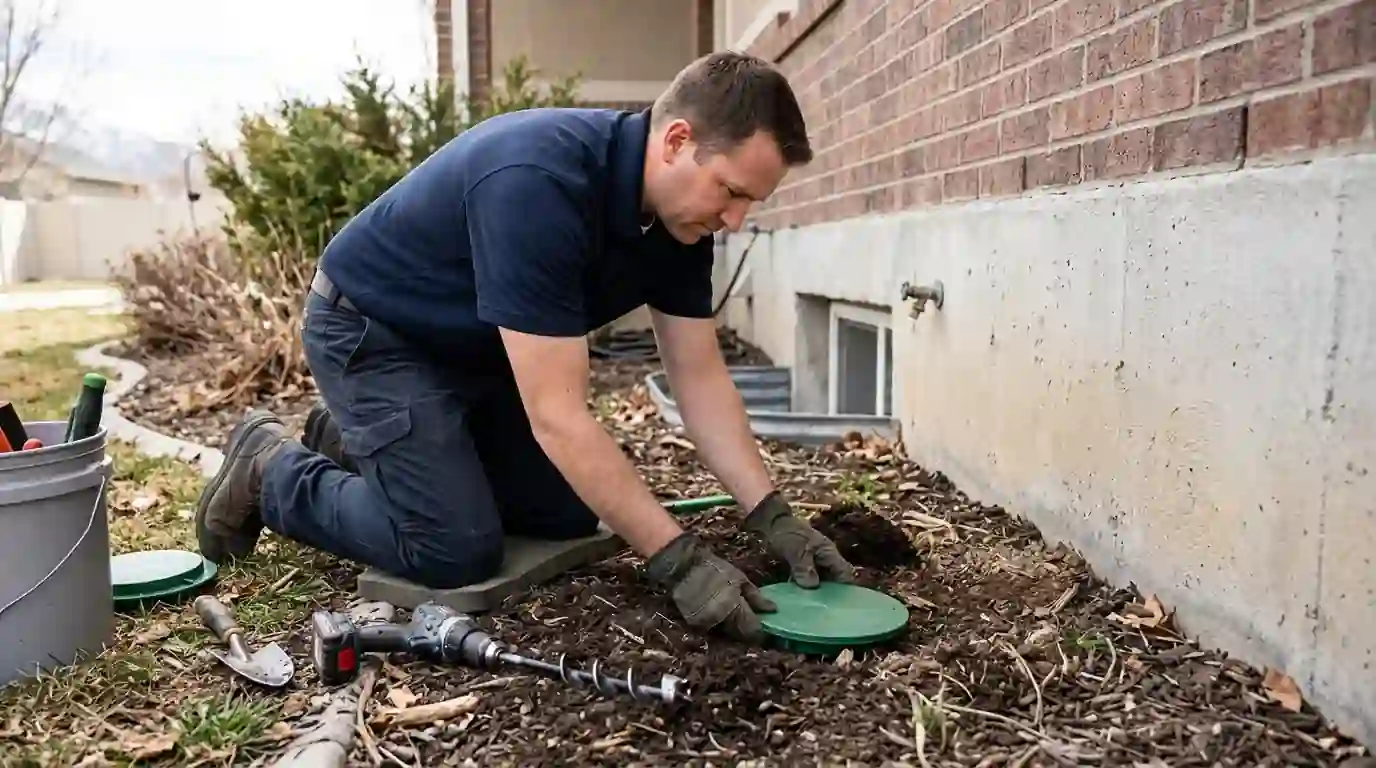
A ring of stations in the soil, checked on a schedule. Bait stations let termites find the bait, share it with the colony and bring it down without drilling through slabs.
Most active
- Spring
- Summer
- Fall
- Winter
Quick answer
Termite bait stations are installed in the soil around the house at spaced intervals. Foraging termites find the stations, feed on a bait that stops them from molting and carry it back to the colony, which declines over time. Stations are checked on a schedule, and bait is added or replaced when activity shows up. It's slower than a liquid treatment but avoids drilling and trenching.
At a glance
- Best for
- Homes where drilling slabs is hard, or ongoing protection
- How it works
- Termites feed on bait and share it with the colony
- Monitoring
- Stations checked on a regular schedule
- Timeline
- Slower than liquid treatment, but colony-wide
Overview
How baiting works
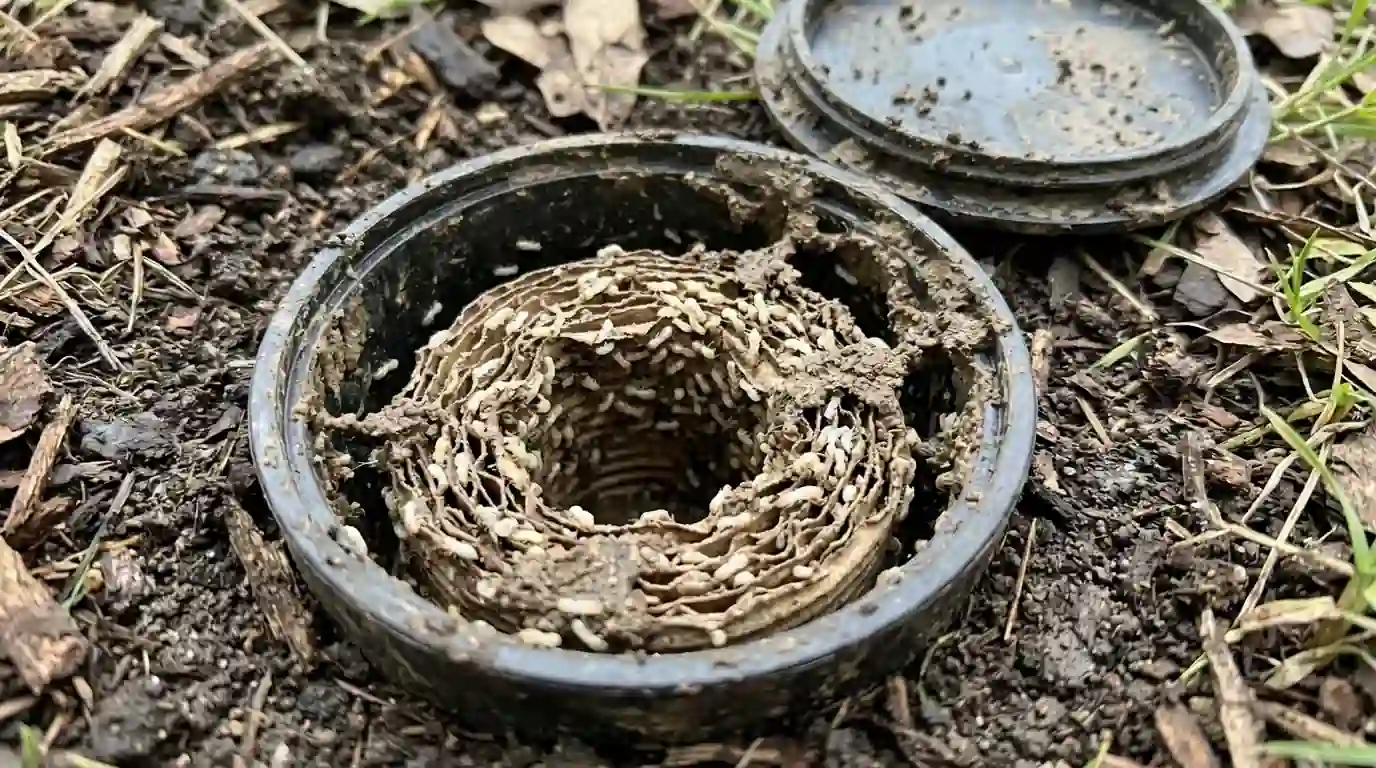
Subterranean termites forage through the soil looking for wood. Bait stations placed around the house intercept that foraging. When termites find a station, they feed on a bait that stops them from molting properly, and they share it with the rest of the colony.
Because termites have to find the stations first, baiting takes longer than a liquid treatment. The trade-off is that it's far less disruptive: no trenching along the whole foundation and no drilling through patios, porches or finished basement floors.
Monitoring is the heart of it. Stations are checked on a regular schedule, bait is added when termites show up, and the record of checks shows whether termites are active near the house.
What it covers
Bait station services
Bait station installation
Stations placed in the soil around the house at spaced intervals.
Annual monitoring
Regular checks of every station and a record of activity.
Bait replacement
Bait added or replaced when termites are found feeding.
Before we arrive
Before installation
- Mark sprinkler lines and buried cables along the house.
- Clear access around the full foundation.
- Tell us about planned landscaping or new beds.
- Unlock gates to every side of the house.
- Point out where you've seen tubes or swarmers.
- Tell us about past termite treatments.
- Keep pets inside during installation.
- Tell us about decks, porches or additions.
How the visit goes
How a bait program goes
Inspect
Confirm termite activity or risk and map the house.
Install stations
Stations placed in the soil at spaced intervals around the foundation.
Monitor
Stations checked on a regular schedule.
Bait when active
Bait added or replaced when termites are found.
Keep records
A log of every check, so you know the protection history.
Salt Lake conditions
Baiting and Utah's termites
Subterranean termites in Utah need wood-to-soil contact and build mud tubes, and an infestation can go unnoticed for one to eight years; most homeowners notice them first when swarmers appear in spring. USU's diagnostic lab has identified western subterranean termites inside a home in Box Elder County. Because these termites forage through the soil, a ring of monitored stations around the house is a practical way to intercept them before they reach wood.
Stations work best when they stay in place and get checked, so a monitoring schedule is part of every installation.
Sources: extension.usu.edu, extension.usu.edu
Warning signs
When baiting makes sense
Sign 01
Lots of concrete around the house
Patios, porches and finished basements make liquid treatment harder.
Sign 02
Wells or water concerns
Baiting avoids large volumes of liquid in the soil.
Sign 03
Ongoing protection wanted
Monitoring gives a record of activity year to year.
Sign 04
Swarmers in the neighborhood
Nearby activity is a good reason to add stations.
Sign 05
Past termite treatments
Stations can follow up earlier liquid treatments.
Your options
Bait stations or liquid treatment?
| Option | Best for | Speed | Disruption |
|---|---|---|---|
| Bait stations | Hard-to-drill homes, ongoing protection | Slower | Low: no trenching or drilling |
| Liquid treatment | Active infestations | Faster | Trenching and drilling along the foundation |
| Both together | Heavy pressure or large homes | Fast with ongoing monitoring | Moderate |
Cost
What bait stations cost
Priced by the number of stations and the monitoring schedule.
Published range
Published figures put termite treatment at roughly $230 to $2,500, depending on the method and home. Source: angi.com, checked September 2026.
Foundation length
More linear feet means more stations.
Monitoring schedule
Regular checks are part of the ongoing cost.
Bait use
Active termites mean more bait replacement.
Site conditions
Rock, slabs and landscaping affect placement.
Combined treatment
Pairing baits with liquid treatment changes the price.
Do it yourself?
Keeping stations working
What you can do today
- Leave stations in place and uncovered.
- Tell us before landscaping near a station.
- Keep mulch and wood away from the foundation.
- Fix leaks that keep soil wet near the house.
What to leave alone
- Mowing over or removing station caps.
- Burying stations under new beds or rock.
- Spraying insecticide near stations, which can keep termites away from the bait.
- Skipping scheduled monitoring visits.
Timing
How long baiting takes
- InstallationUsually a few hours for most homes.
- First monthsTermites need time to find the stations.
- Once activeBait is added and the colony declines over the following months.
- Every yearOngoing monitoring keeps protection in place.

Intercept them in the soil
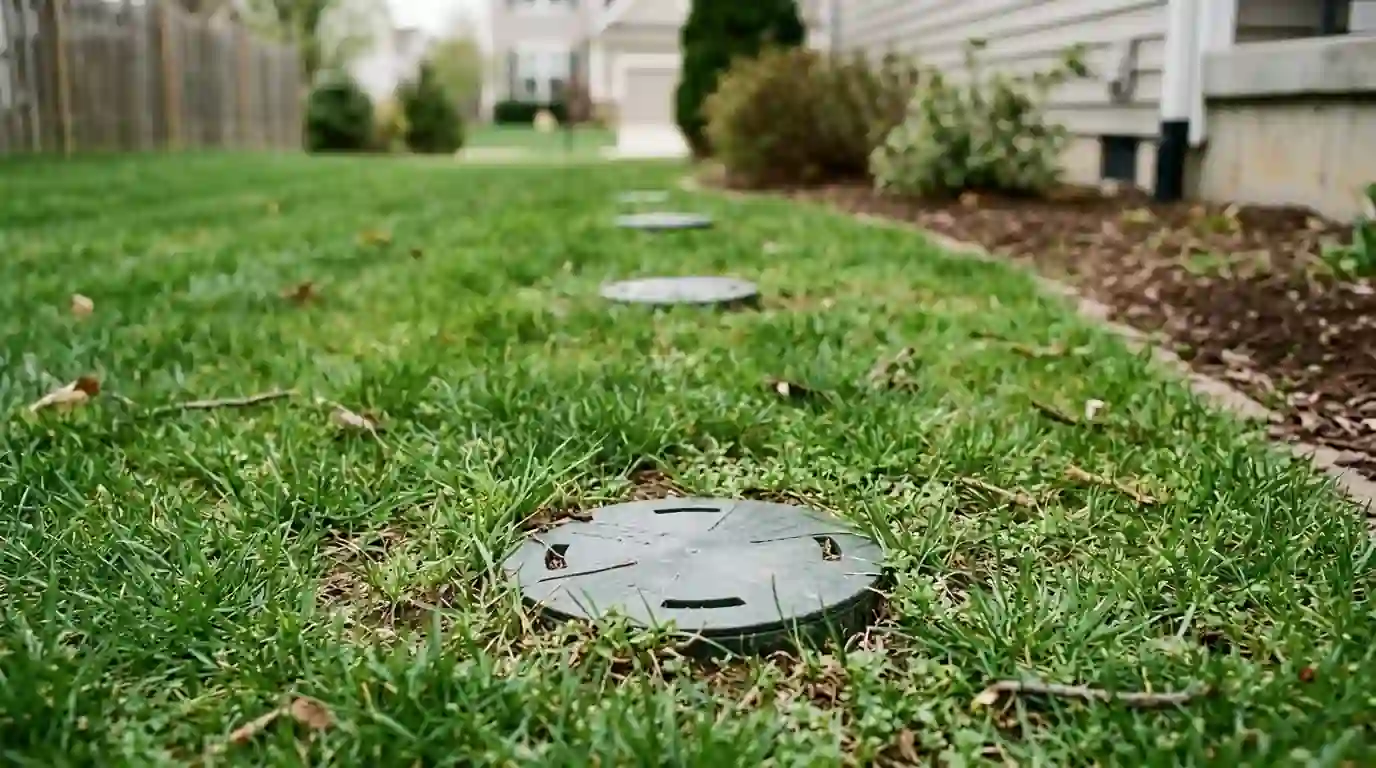
Termites forage through the soil. Stations placed in their path catch them before they reach the house.
Call (801) 516-0135Bait stations ring the foundation at spaced intervals.
Termite work uses liquid soil treatments and bait systems from product lines like these.
- Termidor
- Sentricon
- Trelona
- Temprid
- Alpine WSG
FAQ
Termite bait stations questions from Salt Lake homeowners
Still unsure? (801) 516-0135 is answered around the clock.
Termites find the stations while foraging, eat the bait and share it with the colony, which declines over time.
Longer than liquid treatment, because termites have to find the stations first. It can take months.
Yes. They're checked on a schedule and bait is replaced when termites are active.
Yes, many homes use both for faster knockdown and ongoing monitoring.
Stations are locked and sit flush with the ground, with the bait inside.
Only the flush caps, spaced around the lawn or beds along the foundation.
Monitoring still gives you a record, and we reassess if you see signs of termites.
Related services
More from termites & wood destroyers
From the Pest Library: Termite swarmers or flying ants? A spring identification guide
Talk to us
Want ongoing termite protection?
Call now to talk through a bait station program. A real person answers any hour.
Homes, rentals and businesses across Salt Lake, Davis, Weber, Box Elder, Morgan, Tooele and Utah counties.
