Termites & wood destroyers
Termite treatment in Salt Lake City, UT
Found mud tubes or swarmers? Subterranean termite treatment puts a barrier in the soil around and under the house, so termites crossing it die and the colony stops reaching your wood.
Most active
- Spring
- Summer
- Fall
- Winter
Quick answer
Termite treatment in Salt Lake City usually means a liquid soil treatment: a continuous treated zone in the soil around the foundation and under slabs, porches and patios where termites travel. Termites that cross it are killed, and non-repellent products are shared through the colony. Small, isolated problems may get a spot treatment, and bait stations are an alternative for some homes.
At a glance
- Best for
- Active subterranean termites or confirmed damage
- Main method
- Liquid soil treatment around and under the foundation
- Time on site
- Usually one day for most homes
- Follow-up
- Monitoring to confirm activity has stopped
Overview
How liquid termite treatment works
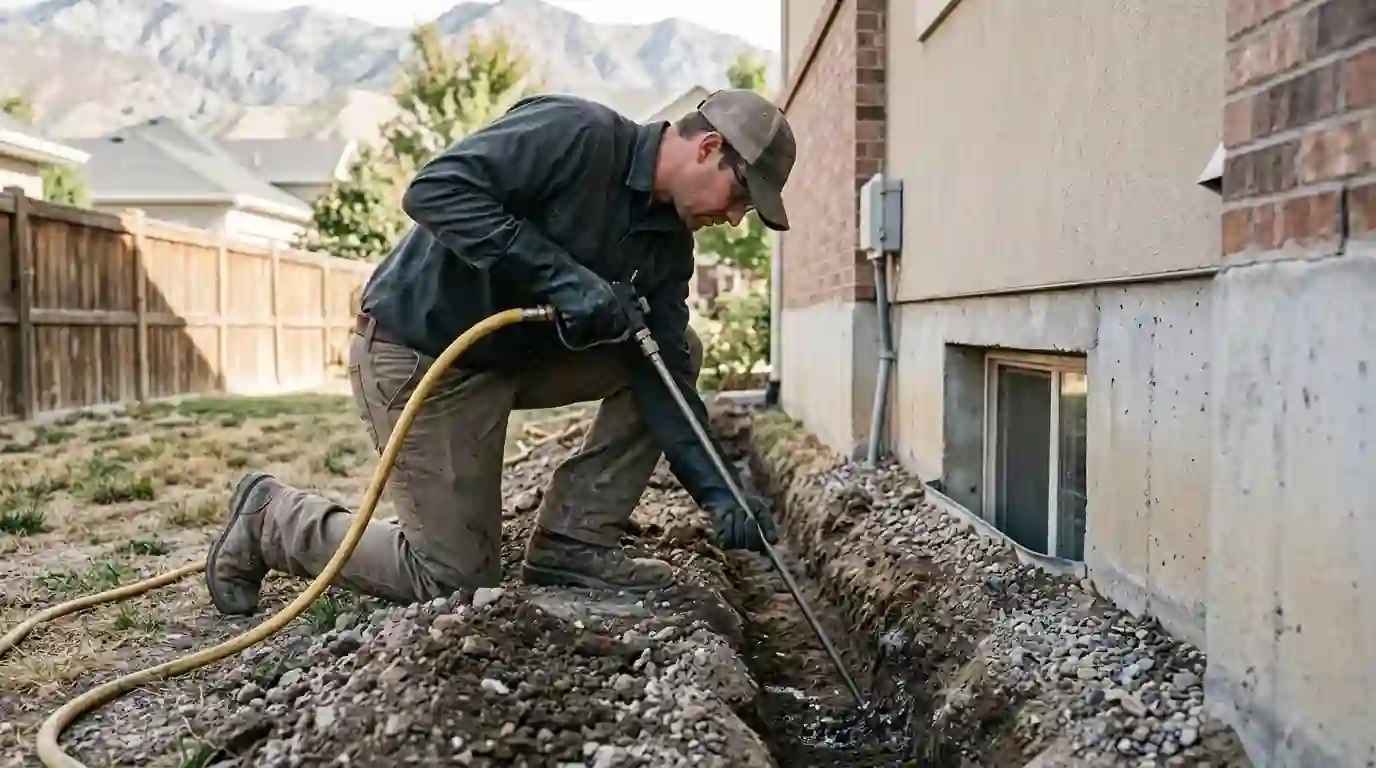
Subterranean termites travel from their colony in the soil to your wood through mud tubes and cracks. A liquid treatment creates a treated zone in that soil, along the foundation, around plumbing and under slabs, so every path in crosses treated soil.
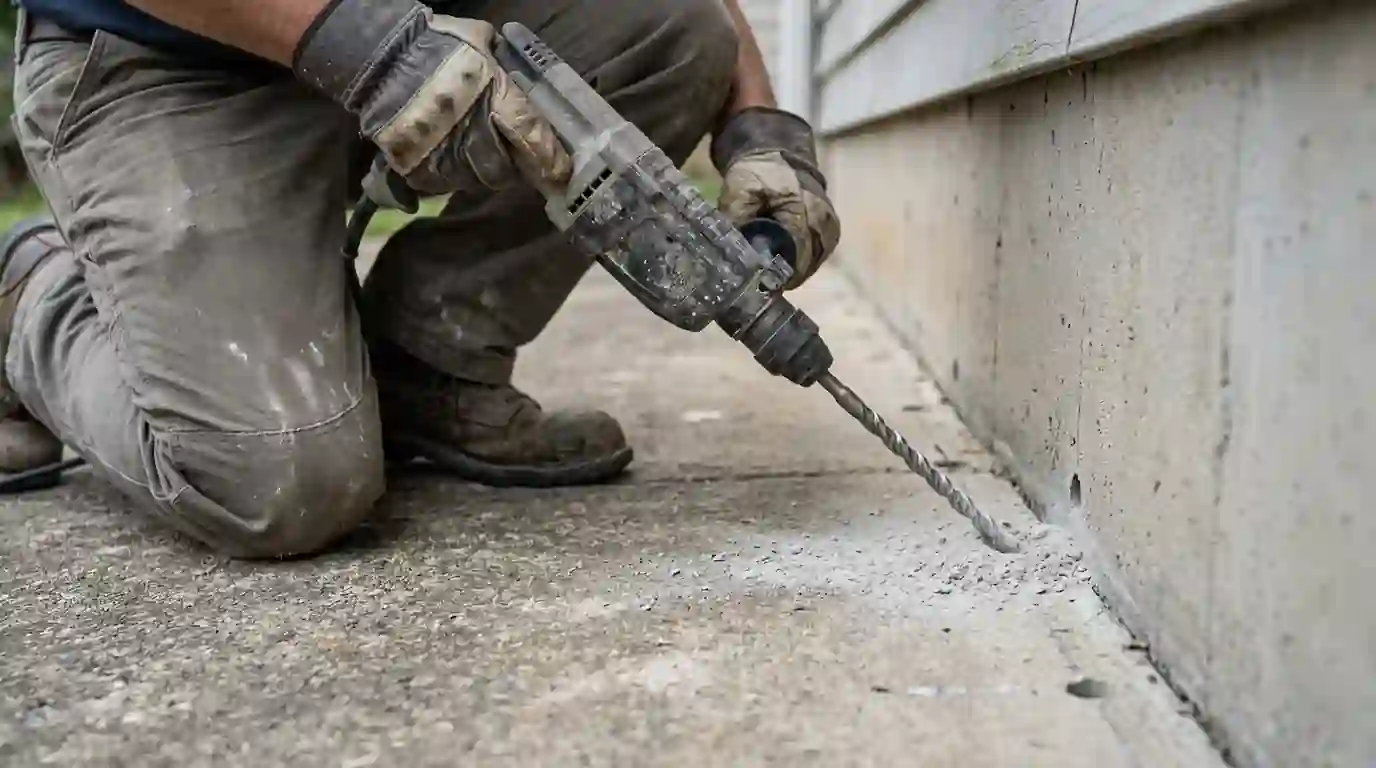
Around the foundation we trench and apply the product into the soil. Where concrete covers the soil, like porches, patios, garage slabs and basement floors along the walls, we drill small holes, treat underneath and patch the holes afterward.
Modern non-repellent products don't warn termites off. They cross the treated zone, pick up the product and share it with nestmates, which knocks the colony down, not just the workers in the wall.
Your options
Termite treatment options
| Option | Best for | How it works | Trade-off |
|---|---|---|---|
| Full liquid treatment | Active infestations | Treated zone around and under the foundation | Drilling and trenching involved |
| Spot treatment | Small, isolated activity | Treats only the affected area | Doesn't protect the rest of the house |
| Bait stations | Homes where drilling is hard | Termites carry bait back to the colony | Slower, needs ongoing monitoring |
Cost
What termite treatment costs
Termite work is priced by the size of the foundation and how much concrete has to be drilled.
Published range
Published figures put termite treatment at roughly $230 to $2,500, depending on the method and the size of the home. Source: angi.com, checked September 2026.
Foundation length
Liquid treatment is priced largely by the linear feet treated.
Slabs and porches
More concrete to drill means more time.
Construction type
Crawlspace, basement and slab homes each need a different approach.
Extent of activity
Spot treatment costs less than a full treatment.
Monitoring
Follow-up inspections add to the overall cost.
What it covers
Termite treatment work we do
Liquid soil treatment
A continuous treated zone around the foundation and under slabs.
Spot treatment
Targeted treatment for small, isolated activity.
Slab, porch and patio drilling
Drilling through concrete to treat the soil underneath, then patching.
Post-treatment monitoring
Inspections after treatment to confirm activity has stopped.
Do it yourself?
What helps treatment work
What you can do today
- Fix leaks and moisture problems near the foundation.
- Keep mulch and soil from covering the treated zone.
- Keep firewood and lumber away from the house.
- Tell us before digging or landscaping along the foundation.
What to leave alone
- Disturbing the treated soil for new beds right after treatment.
- Letting siding or wood trim sit in the soil.
- Repairing damaged wood before the termites are treated.
- Assuming swarmers are gone for good because you killed the ones indoors.
How the visit goes
How a termite treatment goes
Inspect and measure
Confirm activity, map the foundation and note slabs and porches.
Trench the foundation
A narrow trench along the foundation where soil is exposed.
Drill concrete
Small holes through porches, patios and slabs along the walls.
Apply the treatment
Treatment into the soil, then trenches backfilled and holes patched.
Monitor
Follow-up inspections to confirm the termites are gone.
Before we arrive
Before your termite treatment
- Clear stored items from the foundation walls inside and out.
- Move potted plants and decor off porches and patios.
- Clear access to the crawlspace.
- Tell us about wells, cisterns or French drains near the house.
- Mark sprinkler lines along the foundation.
- Keep pets inside during treatment.
- Tell us about recent or planned landscaping.
- Point out where you've seen tubes or damage.
Warning signs
Signs termites are active
Sign 01
Fresh mud tubes
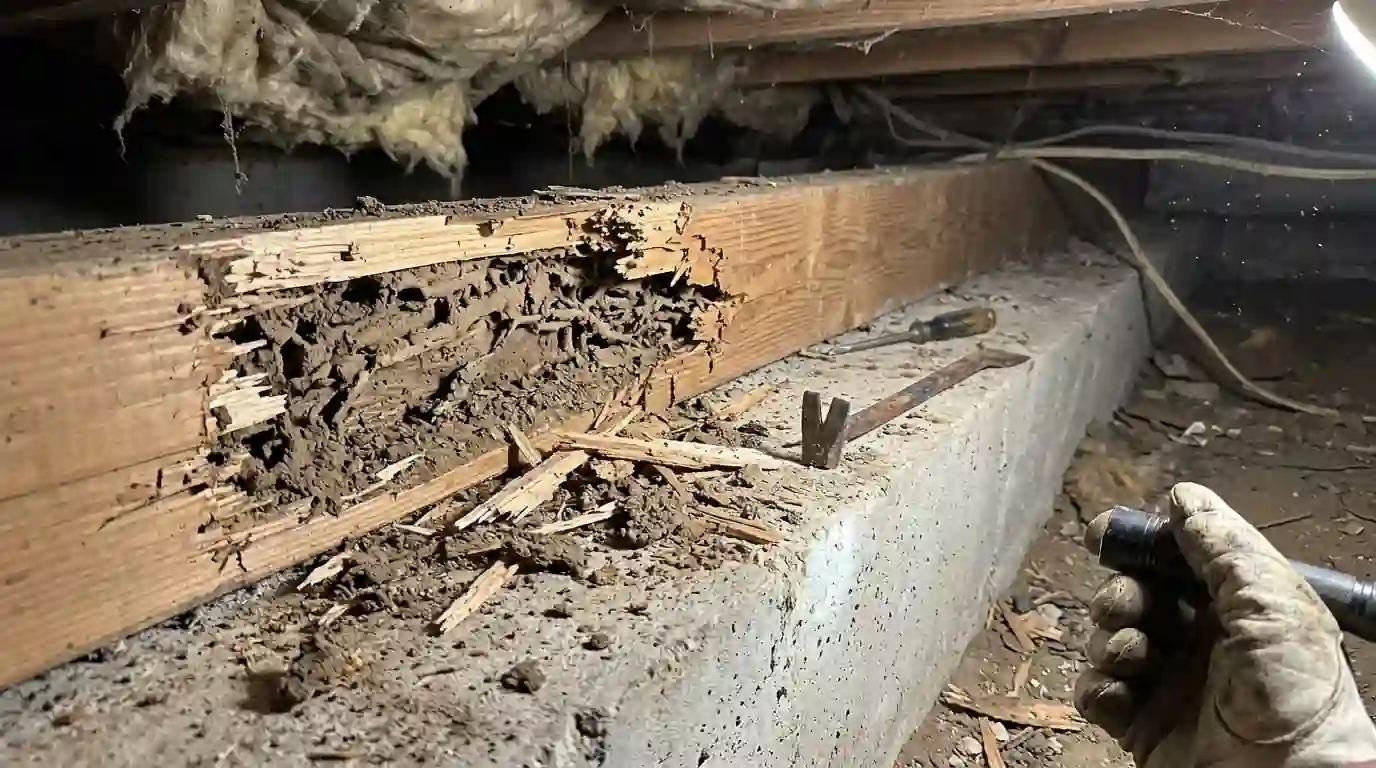
Tubes that are moist or rebuilt after being broken mean active termites.
Sign 02
Swarmers indoors
Winged termites inside mean a mature colony nearby.
Sign 03
Hollow or damaged wood
Sill plates, joists or trim that sound hollow or crumble.
Sign 04
Blistered paint or drywall
Termites working behind surfaces can cause bubbling or sagging.
Sign 05
Wings near windows and doors
Piles of shed wings left after a swarm.
Salt Lake conditions
Subterranean termites in Utah
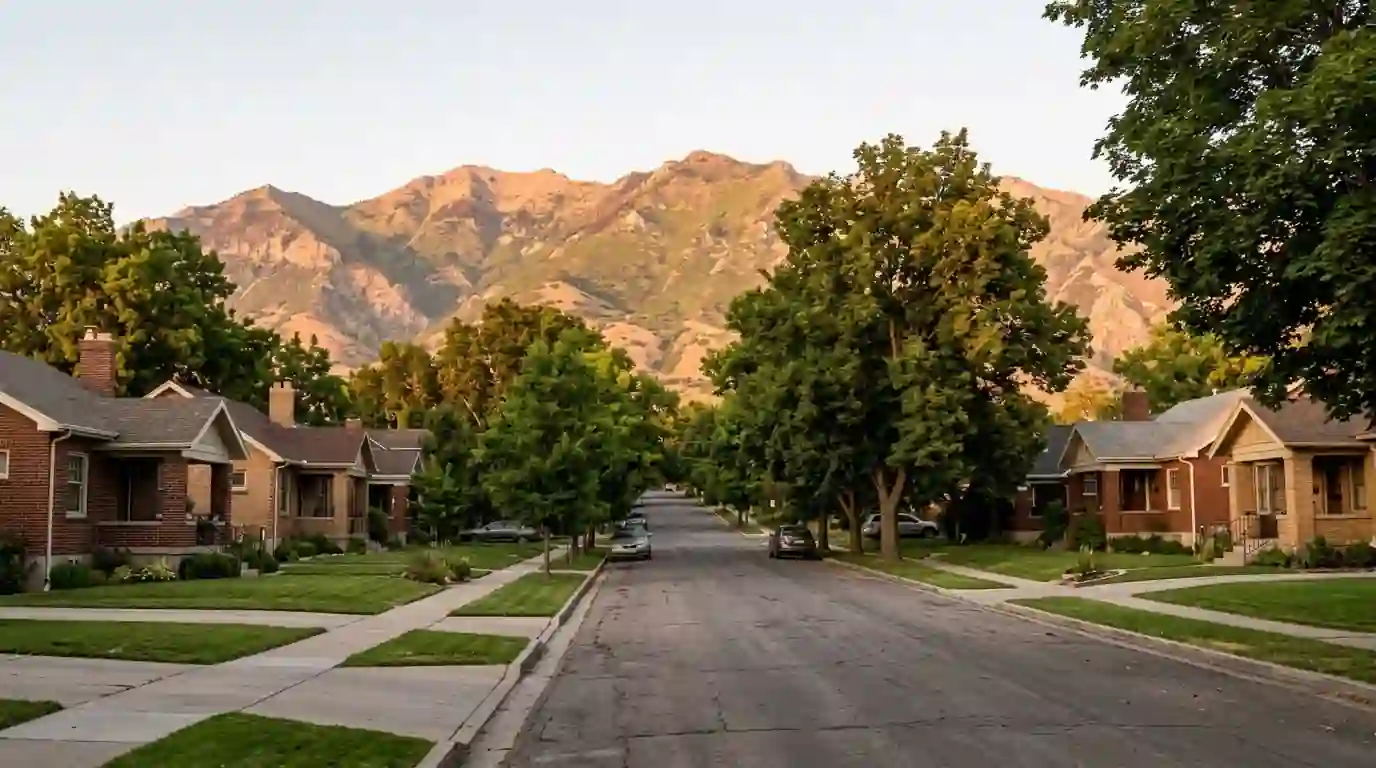
Three termite types occur in Utah, dampwood, drywood and subterranean, and it's the subterranean kind that most homes need treating for. They need wood-to-soil contact and build mud tubes to reach it, and an infestation can go unnoticed for one to eight years before homeowners see winged swarmers in spring. That long quiet period is why treatment focuses on the soil paths into the house rather than on the termites you happen to see.
Spring swarm season is when most treatment calls come in, but treatment can be done most of the year.
Sources: extension.usu.edu, extension.usu.edu
Termite work uses liquid soil treatments and bait systems from product lines like these.
- Termidor
- Sentricon
- Trelona
- Temprid
- Alpine WSG
Timing
How long termite treatment takes
- Treatment dayMost homes are treated in one day.
- Weeks afterTermites crossing the treated soil die and the colony declines.
- MonitoringFollow-up inspections confirm activity has stopped.
- RepairsDamaged wood can be repaired once activity is gone.
Treat the soil, protect the wood
Termites travel from the soil to the house. A treated zone in their path is what stops them.
Call (801) 516-0135Treatment goes into the soil along the foundation.
FAQ
Termite treatment questions from Salt Lake homeowners
Still unsure? (801) 516-0135 is answered around the clock.
Liquid treatments are designed to last for years in the soil, but annual inspections are still wise.
Usually not. We'll tell you if any rooms need to be kept clear while we drill inside.
Only where needed, such as basement floors along the walls. Holes are patched after treatment.
Liquid treatment works faster and protects the whole foundation; bait stations suit homes where drilling is difficult.
Treat first, then repair, so new wood isn't attacked.
Swarmers already developing may still emerge for a short time. Tell us if activity continues.
Yes. Additions and garages are treated along their foundations too.
Related services
More from termites & wood destroyers
From the Pest Library: Termite swarmers or flying ants? A spring identification guide
Talk to us
Found termites?
Call now to schedule an inspection and treatment. A real person answers any hour.
Homes, rentals and businesses across Salt Lake, Davis, Weber, Box Elder, Morgan, Tooele and Utah counties.
