Mice, rats & lawn rodents
Rat control in Salt Lake City, UT
A burrow under the shed, gnaw marks on the garage door, something big in the crawlspace. Rats cause more damage than mice and are harder to get rid of, so the plan has to be thorough.
Most active
- Spring
- Summer
- Fall
- Winter
Quick answer
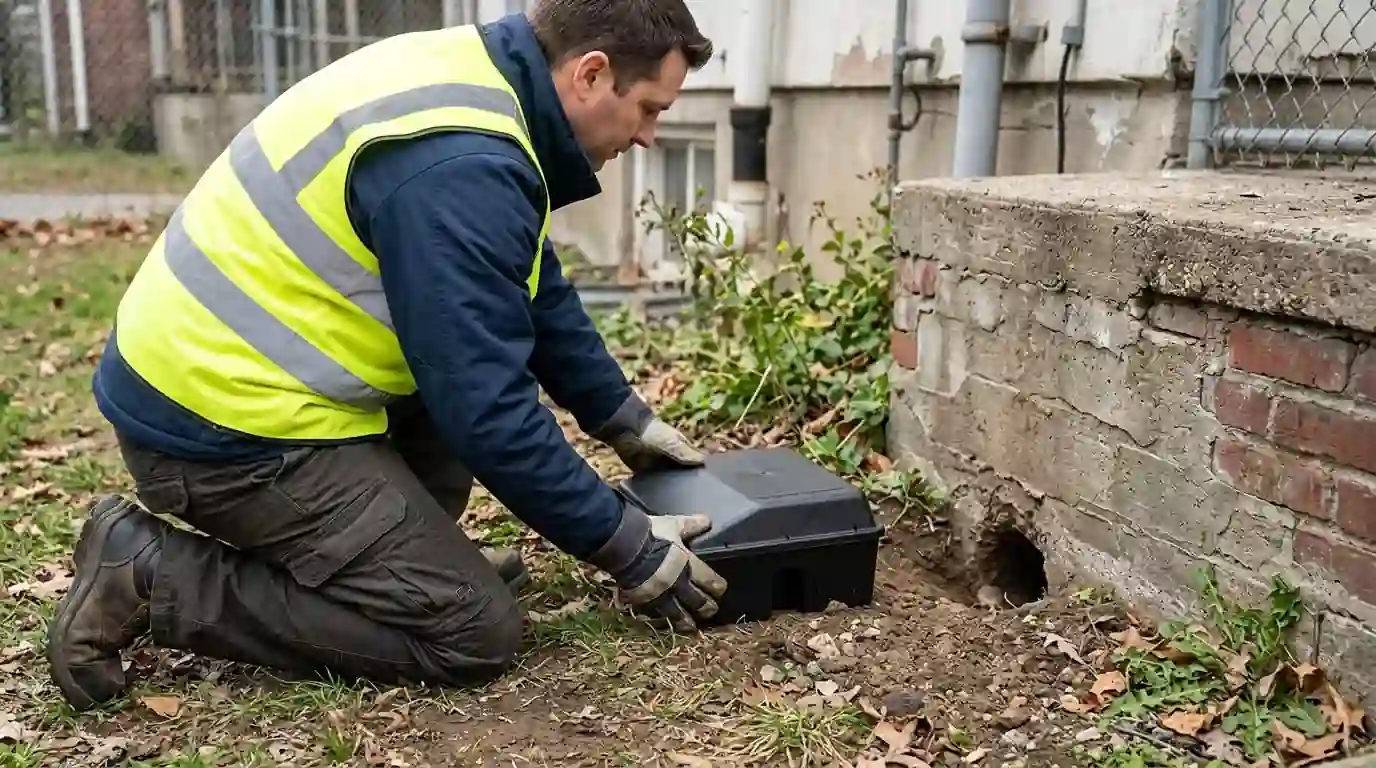
Rat control in Salt Lake City usually means Norway rats: heavy-bodied rats that burrow along foundations, under sheds and slabs, and around compost and trash. We inspect for burrows, runways and entry points, trap and bait with tamper-resistant stations, treat and collapse burrows, and seal the gaps into the house. Rats are wary of new objects, so a program over several visits works better than a single stop.
At a glance
- Best for
- Norway rats in yards, crawlspaces, garages and alleys
- Signs
- Burrows, gnaw marks, large droppings, runways
- How it works
- Trapping, stations, burrow treatment and exclusion
- Visits
- Several over a few weeks
Warning signs
Signs of rats
Sign 01
Burrows along the foundation
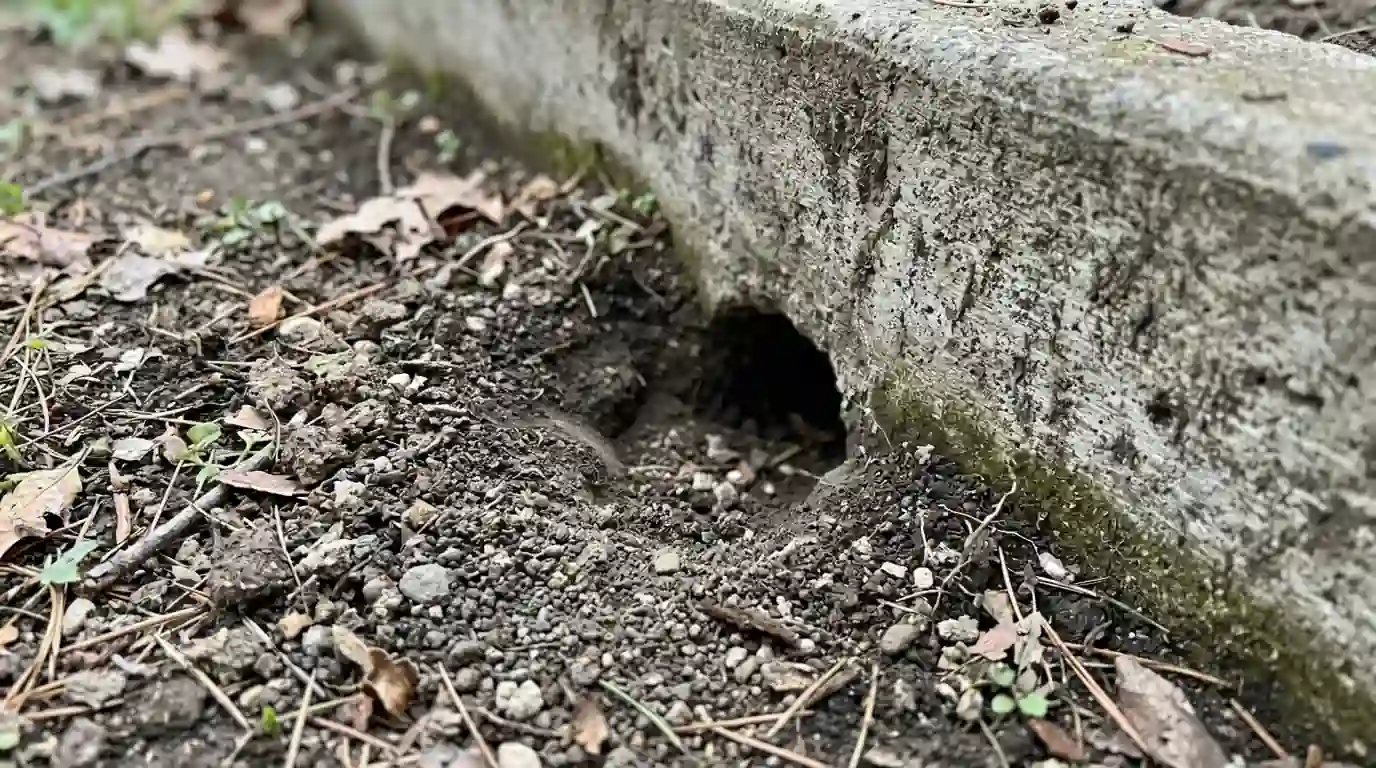
Holes about three inches across near foundations, sheds, slabs or compost.
Sign 02
Large droppings
Droppings much larger than a mouse's, often along walls or in the garage.
Sign 03
Gnaw marks
Chewed wood, doors, pipes or wiring.
Sign 04
Runways and rub marks
Worn paths in grass and greasy marks along walls.
Sign 05
A dead animal smell
A strong odor in walls or crawlspaces can mean a dead rat.
Overview
Why rats need a program, not a trap
Norway rats live in burrows in the soil: along foundations, under sheds, decks and slabs, beside compost piles and garden beds. They come out at night to feed on trash, pet food, bird seed, fallen fruit and garden produce, and they get into crawlspaces and garages through gaps and damaged vents.
Rats are cautious. They avoid new objects for days, which is why a single trap set on a Tuesday often catches nothing by Friday. A rat program pre-baits, uses multiple traps and tamper-resistant stations, and returns to adjust placements as activity changes.
The other half is removing what draws them in: lidded trash, cleaned-up fallen fruit, stored pet food and bird seed, and sealed entry points into the house.
How the visit goes
How a rat program goes
Inspect
Burrows, runways, entry points, food sources and the crawlspace and garage.
Place traps and stations
Tamper-resistant stations outside and traps in runways inside.
Treat burrows
Active burrows treated and collapsed, and watched for reopening.
Remove the draw
Trash, fallen fruit, pet food and bird seed addressed.
Return and seal
Follow-up visits to adjust and check, then sealing entry points.
What it covers
Rat problems we handle
Norway rats
The burrowing rats found around foundations, sheds, gardens and alleys.
Burrows along foundations
Burrows treated, collapsed and monitored for reopening.
Dumpster and alley activity
Rats around trash areas, alleys and commercial dumpsters.
Dead rat odor
Finding and removing a dead rat, and treating the odor.
Salt Lake conditions
Rats in older Salt Lake neighborhoods
Salt Lake City's median home was built in 1965 and about a quarter of homes predate 1940, so plenty of houses have aging crawlspace vents, settled slabs and garages that no longer seal. Rats push harder for shelter as nights cool toward the city's average first freeze around October 20. When cleaning up after any rodent, Utah epidemiologists advise never sweeping or vacuuming droppings; wet them with disinfectant first.
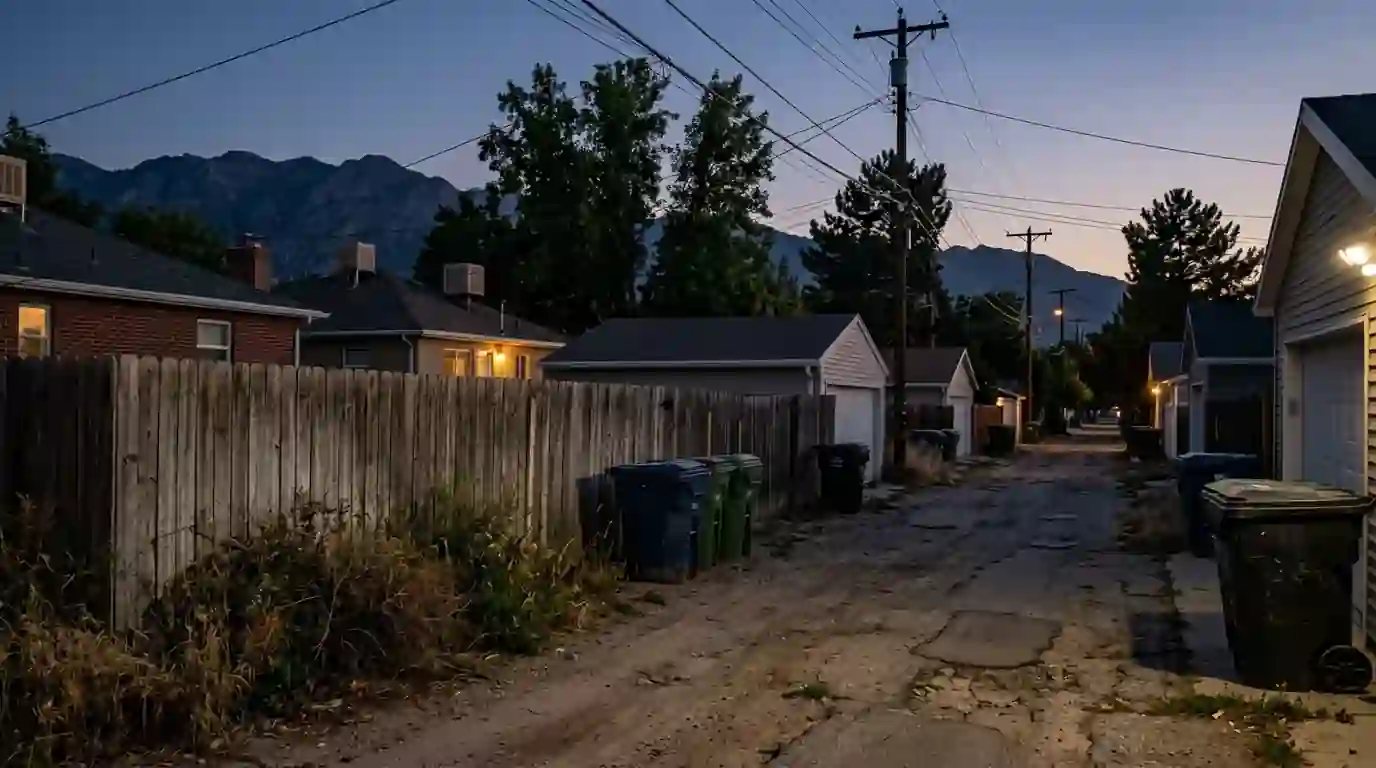
Alleys with open bins and backyard fruit trees are the most common food sources we find on rat jobs.
Sources: point2homes.com, axios.com, ksl.com
Timing
How long rat control takes
- First weekStations and traps go in; rats may avoid them for a few days.
- Two to three weeksCatches and bait take-up rise as rats get used to the stations.
- Follow-upsPlacements adjusted and burrows checked for reopening.
- SealingEntry points sealed once activity stops.
Your options
Rat control options
| Option | Best for | Trade-off |
|---|---|---|
| Trapping | Rats inside the house or garage | Needs patience; rats avoid new objects |
| Tamper-resistant stations | Yards, alleys and foundations | Takes time for rats to accept them |
| Burrow treatment | Active burrows in soil | Needs monitoring for reopening |
| Exclusion | Keeping rats out of the house | Works after activity is under control |
Do it yourself?
What you can do
What you can do today
- Keep trash in lidded bins and bring bird feeders in at night.
- Pick up fallen fruit and garden produce.
- Store pet food and bird seed in metal or heavy plastic bins.
- Clear wood piles and clutter from along the house.
What to leave alone
- Using loose poison bait, which kids, pets and wildlife can reach.
- Moving traps every day, which makes rats more wary.
- Sealing a burrow or gap while rats are still using it.
- Handling dead rats or droppings without gloves.
Before we arrive
Before we arrive
- Note where you've seen rats, burrows or droppings.
- Leave burrows and droppings as they are.
- Open access to the crawlspace and garage.
- Unlock gates and sheds.
- Keep pets inside during the inspection.
- Tell us about compost, chickens or fruit trees.
- Point out any smell of a dead animal.
- Tell us about neighbors seeing rats.
Rodent programs use tamper-resistant stations and bait blocks from product lines like these, placed where children and pets cannot reach them.
- Protecta
- Contrac
- Advion
- Temprid
- Tempo
Cost
What rat control costs
Rat programs usually take several visits.
Published range
Published figures put rat extermination at about $189 to $655, averaging around $395, with inspections around $100 to $200. Source: angi.com, checked September 2026.
Size of the population
More rats and burrows mean more stations and visits.
Where they are
Crawlspace and attic rats take more work than yard rats.
Number of visits
Most rat programs need several follow-ups.
Exclusion work
Sealing vents, slabs and gaps adds to the job.
Dead rat removal
Finding a dead rat in walls or crawlspaces takes extra time.

Patience beats rats
Rats avoid new objects. A program over several visits, with food sources removed, is what clears them.
Call (801) 516-0135Rats forage around alleys, bins and fruit trees at night.
FAQ
Rat control questions from Salt Lake homeowners
Still unsure? (801) 516-0135 is answered around the clock.
Rat droppings are much larger, burrows are about three inches across, and rats leave heavier gnaw marks.
Rats avoid new objects for days. A program with multiple traps and pre-baiting works better.
They can carry diseases, contaminate food and chew wiring. Handle droppings carefully and don't touch rats bare-handed.
Where bait is used, it's in tamper-resistant stations out of reach of kids and pets.
Yes. We track the odor, remove the rat when it can be reached and treat the area.
Usually a few weeks, with follow-up visits to adjust placements and seal entry points.
Trash, fallen fruit, bird seed, pet food, compost and clutter that gives them cover.
Related services
More from mice, rats & lawn rodents
From the Pest Library: Mice and the first freeze: sealing a Salt Lake home in October
Talk to us
Rats around the house?
Call now to start a rat program. A real person answers any hour.
Homes, rentals and businesses across Salt Lake, Davis, Weber, Box Elder, Morgan, Tooele and Utah counties.
