Bed bugs & indoor pests
Pantry pest control in Salt Lake City, UT
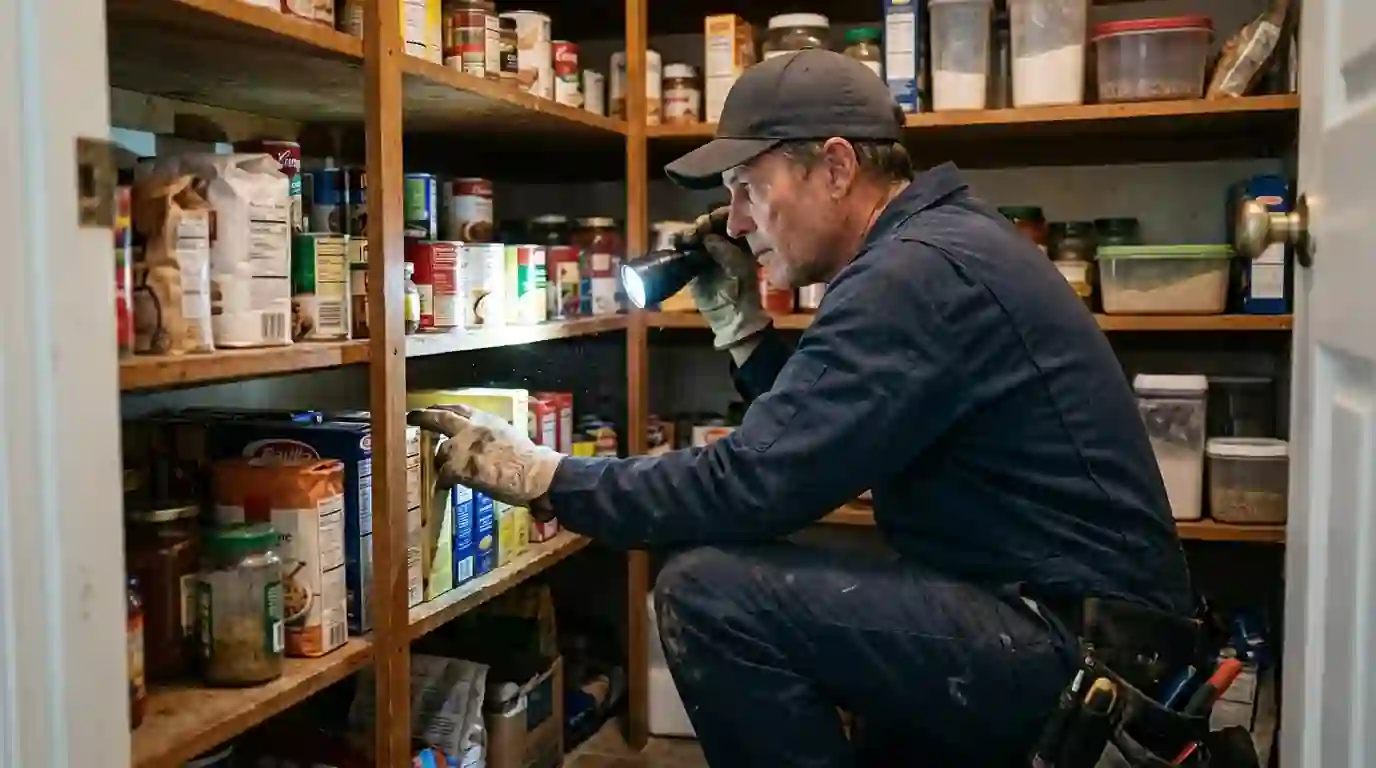
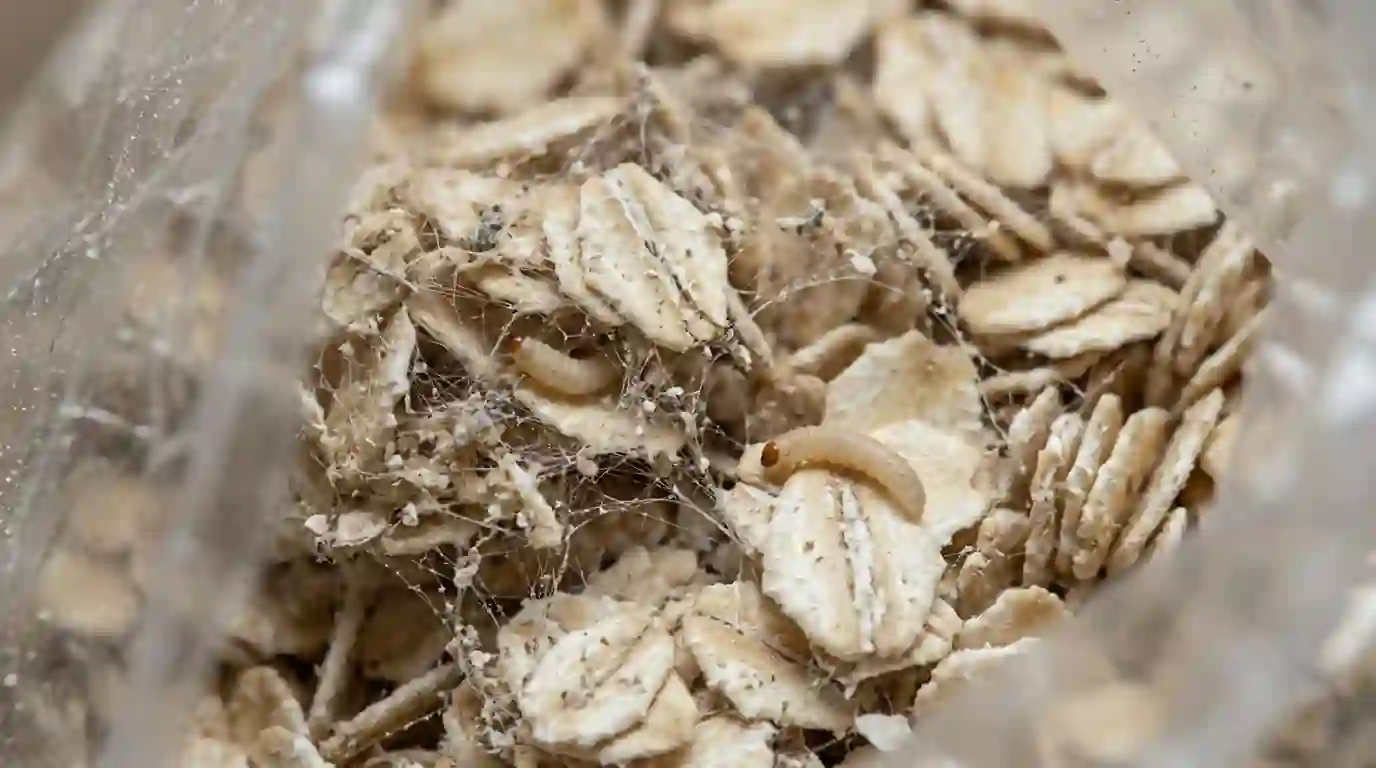
Little moths fluttering out of the cupboard, webbing in the oatmeal, tiny beetles in the flour. Pantry pests live in the food itself, so the fix starts with finding every infested package.
Most active
- Spring
- Summer
- Fall
- Winter
Quick answer
Pantry pests, like Indian meal moths, flour beetles, grain beetles and weevils, breed inside stored food: flour, cereal, grains, dried fruit, nuts, spices, pet food and birdseed. Control means finding and throwing out every infested package, cleaning the shelves and cracks where larvae crawl to pupate, targeted treatment of the shelf cracks, and pheromone traps to catch the last moths and confirm they're gone.
At a glance
- Best for
- Moths or beetles in the pantry, flour, grains, pet food or birdseed
- Key step
- Finding and removing every infested package
- Visit length
- About an hour for most kitchens
- Follow-up
- Pheromone traps to confirm they're gone
Overview
Why pantry pests keep coming back
Pantry pests arrive in food from the store and breed where the food is. One forgotten bag of birdseed, pet food or pancake mix can supply moths or beetles for months, and they spread to every unsealed package on the shelf.
Indian meal moths are the most common: small moths with coppery wing tips, whose larvae leave silky webbing in grains, cereal and nuts, then crawl up walls and ceilings to pupate. Flour and grain beetles and weevils are tiny and brown, and they turn up in flour, rice, pasta and dried beans.
Spraying the kitchen doesn't solve it. Removing the infested food does. We help find every source, including the ones outside the pantry, treat the shelf cracks where larvae hide and set pheromone traps to track the moths that are left.
Your options
What works for pantry pests
| Step | Why it matters |
|---|---|
| Find and discard infested food | The food is where they breed; nothing else works without this |
| Clean shelves and cracks | Larvae crawl into shelf pins, corners and crevices to pupate |
| Targeted crack treatment | Treats hiding larvae without spraying food areas |
| Pheromone traps | Catch remaining moths and show when the problem is over |
Cost
What pantry pest control costs
Most pantry jobs are a single visit plus traps.
Published range
Published figures put moth extermination at about $200 to $370. Source: angi.com, checked September 2026.
How far it has spread
One shelf is quick; moths throughout the kitchen take longer.
Hidden sources
Pet food, birdseed and decorative items outside the pantry add searching time.
Type of pest
Moths, beetles and weevils need slightly different approaches.
Commercial kitchens
Restaurants and bakeries need a scheduled program.
Follow-up
A check of the traps and a second look if moths persist.
What it covers
Pantry pests we handle
Indian meal moths
Moths with coppery wing tips and webbing larvae in grains, cereal, nuts and pet food.
Flour and grain beetles
Tiny reddish-brown beetles in flour, cake mixes, rice and pasta.
Weevils in stored food
Snout beetles that develop inside whole grains, beans and seeds.
Do it yourself?
What you can do
What you can do today
- Store grains, flour, cereal and pet food in airtight containers.
- Check dry goods for webbing or beetles before storing them.
- Freeze new flour and grains for a few days if you've had problems.
- Vacuum shelf corners and pin holes, and empty the vacuum outside.
What to leave alone
- Spraying insecticide on food shelves.
- Keeping half-used bags of pet food or birdseed in the pantry.
- Moving infested food to another cupboard.
- Assuming it's gone when you stop seeing moths for a few days.
How the visit goes
How a pantry visit goes
Identify the pest
Moth, beetle or weevil, which tells us where to look.
Find every source
Pantry, cupboards, pet food, birdseed and decorative dried goods.
Clean and remove
Infested food out, shelves vacuumed, pins and corners cleared.
Treat the cracks
Targeted treatment of shelf cracks and crevices away from food.
Set traps
Pheromone traps to catch remaining moths and track the result.
Before we arrive
Before your pantry treatment
- Don't throw out suspect food yet; we'll help check it.
- Clear counters near the pantry.
- Gather pet food and birdseed in one place.
- Show us where you've seen moths or beetles.
- Have trash bags ready for infested items.
- Keep pets away from the kitchen during treatment.
- Check other cupboards and the garage for stored grains.
- Plan to restock in sealed containers.
Warning signs
Signs of pantry pests
Sign 01
Small moths in the kitchen
Moths fluttering near the pantry or light fixtures, especially in the evening.
Sign 02
Webbing in food packages
Silky threads and clumps in grains, cereal, nuts or flour.
Sign 03
Tiny beetles in flour or rice
Small brown beetles moving in dry goods or on shelves.
Sign 04
Larvae on walls and ceilings
Small worms crawling up walls or ceilings to pupate.
Sign 05
Pet food or birdseed infested
Bulk pet food and birdseed are some of the most common sources.
Salt Lake conditions
Pantry pests in Salt Lake kitchens
About 20 percent of Salt Lake City's housing units are in buildings of 50 or more units, and in apartments pantry moths can move between kitchens along shared walls and cabinets. Older homes bring their own trouble: the median home in the city was built in 1965, and older pantries often have deep corners, shelf gaps and basement food storage where a forgotten bag of grain or birdseed can feed moths for months. Finding every source is the whole job.
Basement food storage and bulk-buy shelves are worth a look whenever moths show up upstairs.
Sources: point2homes.com
Indoor work leans on growth regulators, gel baits and targeted residuals from product lines like these.
- Temprid
- Gentrol
- Advion
- Alpine WSG
- Suspend PolyZone
- Maxforce
Timing
How long it takes to clear
- Same visitInfested food is removed and shelves treated.
- Two to three weeksRemaining moths are caught in traps as they emerge.
- A monthTraps staying empty means the problem is over.
- Long termAirtight storage keeps it from starting again.


Find the bag, stop the moths
Pantry pests live in the food. One forgotten bag of birdseed can keep a kitchen full of moths for months.
Call (801) 516-0135Webbing in grains and cereal is the telltale sign of pantry moths.
FAQ
Pantry pest control questions from Salt Lake homeowners
Still unsure? (801) 516-0135 is answered around the clock.
Usually from infested food brought home from the store, often grains, nuts, dried fruit, pet food or birdseed.
Only infested or unsealed packages. Sealed cans and jars are fine. We'll help you sort it.
Indian meal moth larvae crawl away from food to pupate, often up walls and onto ceilings.
Traps catch males and show you how many are left, but they don't solve it without removing the infested food.
They don't bite or spread disease, but they ruin food. Throw out anything infested.
Store dry goods in airtight containers, rotate stock and check new packages before storing them.
Yes. Commercial kitchens and dry storage get a scheduled program with traps and inspections.
Related services
More from bed bugs & indoor pests
From the Pest Library: What pest control costs in Salt Lake City
Talk to us
Moths in the cupboard?
Call now and we'll help find the source. A real person answers any hour.
Homes, rentals and businesses across Salt Lake, Davis, Weber, Box Elder, Morgan, Tooele and Utah counties.
