Termites & wood destroyers
Pre-construction termite treatment in Salt Lake City, UT
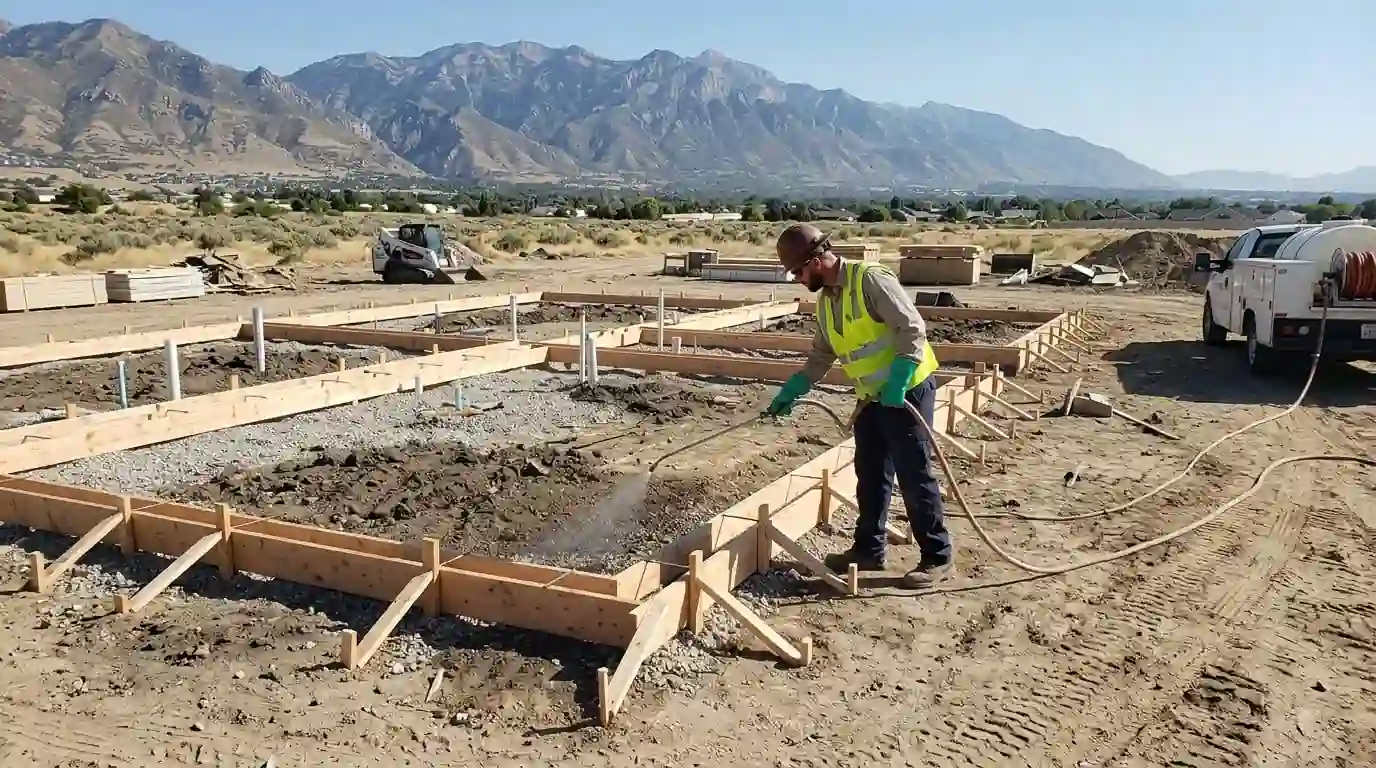
The easiest time to protect a house from termites is before the concrete goes down. Pre-construction treatment puts the protection in the soil under the slab and along the footings.
Most active
- Spring
- Summer
- Fall
- Winter
Quick answer
Pre-construction termite treatment applies a termiticide to the prepared soil before the slab is poured and along the footings and foundation walls. Once the concrete is down, reaching that soil means drilling. Timing is everything, so we schedule with the builder: after grading and plumbing, and before the vapor barrier and pour.
At a glance
- Best for
- New homes, additions and garages before concrete is poured
- Timing
- After grading and plumbing, before the pour
- How it works
- Soil treated under the slab and along footings
- Coordination
- Scheduled with the builder or contractor
Overview
Why treat before the slab goes down
Subterranean termites come up from the soil. In a slab or basement home, their way in is through cracks in the concrete, expansion joints and the gaps around plumbing that comes up through the slab.
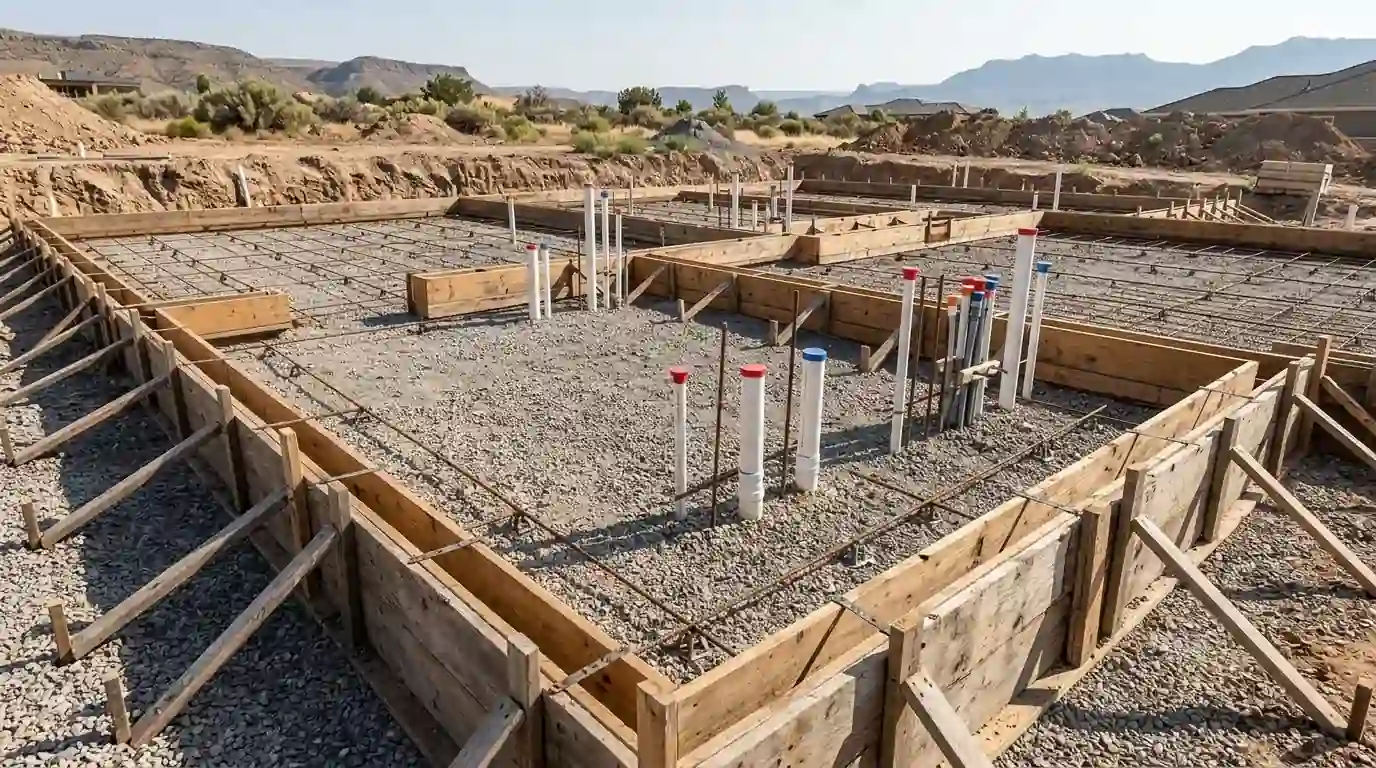
Before the pour, all of that soil is open. A pre-construction treatment covers it evenly, along with the footings and the soil against the foundation walls, putting the protection exactly where termites would travel.
After the pour, treating the same soil means drilling through finished concrete. For new homes, additions and garages, treating during construction is simpler and more thorough.
What it covers
Pre-construction services
Soil treatment before the slab
Prepared soil treated under the planned slab, plumbing and footings.
Additions and garages
New additions, garages and sunrooms treated before their slabs are poured.
Scheduling with builders
Treatment timed around grading, plumbing and the pour.
Before we arrive
What we need from the site
- Final grade set inside the forms.
- Plumbing stubbed and inspected.
- Vapor barrier not yet installed.
- The pour date confirmed with us.
- Access to the site and the forms.
- Soil not waterlogged from recent rain.
- The site plan showing slabs, porches and garages.
- A contact for the builder or site lead.
How the visit goes
How pre-construction treatment goes
Coordinate the date
Set the treatment between plumbing and the pour.
Check the site
Confirm grade, plumbing and soil conditions.
Treat the soil
Apply treatment evenly under the slab area and plumbing.
Treat footings and walls
Treat the soil along footings and foundation walls.
Document it
Provide a record of the treatment for the builder and owner.
Salt Lake conditions
Why new construction in Utah is worth treating
Three termite types occur in Utah: dampwood, drywood and subterranean. Subterranean termites need wood-to-soil contact, build mud tubes, and can go unnoticed for one to eight years, with most homeowners noticing them first when swarmers appear in spring. New construction across the valley goes up on disturbed soil, often near older neighborhoods and open land, which makes the few days before a pour the cheapest and most thorough time to protect the structure.
Treating additions matters too: a new slab against an older house creates fresh joints and gaps along the connection.
Sources: extension.usu.edu, extension.usu.edu
Warning signs
When to plan pre-construction treatment
Sign 01
Building a new home
Treat after grading and plumbing, before the slab.
Sign 02
Adding a room or garage
New slabs next to an older house create new entry points.
Sign 03
Termites nearby
Swarmers in the neighborhood are a good reason not to skip it.
Sign 04
Slab-on-grade construction
Slabs can't be treated easily after the pour.
Sign 05
The pour is scheduled
Once the concrete is down, the window has closed.
Your options
Protection options for new construction
| Option | When | Trade-off |
|---|---|---|
| Pre-construction soil treatment | Before the slab is poured | Needs tight scheduling |
| Bait stations after construction | After landscaping is in | Slower, ongoing monitoring |
| Post-construction liquid treatment | Any time after the pour | Requires drilling and trenching |
Cost
What pre-construction treatment costs
Priced by the square footage of slab and length of footings.
Published range
Published figures put termite treatment at roughly $230 to $2,500, depending on the method and the size of the structure. Source: angi.com, checked September 2026.
Slab size
Larger slabs need more product and time.
Footing length
More linear feet of footings add to the job.
Number of trips
Phased construction can mean more than one visit.
Additions vs new homes
A garage addition is smaller than a whole house.
Scheduling
Short-notice visits to meet a pour date can affect the price.
Do it yourself?
Keeping the treatment intact
What you can do today
- Give us the pour date as early as possible.
- Keep the treated area covered before the pour.
- Keep wood scraps and form boards out of the backfill.
- Plan grading so water drains away from the foundation.
What to leave alone
- Pouring before treatment is done.
- Letting heavy rain wash the treated soil before the pour.
- Burying wood debris near the foundation.
- Letting siding or trim reach the soil after construction.
Timing
Timing on the job
- Before the pourTreatment takes a few hours for most homes.
- Same day or nextThe vapor barrier and pour can follow once the treatment has soaked in.
- After constructionKeep grade and landscaping away from siding.
- Years aheadAnnual inspections keep an eye on the finished house.

Protect it before the concrete
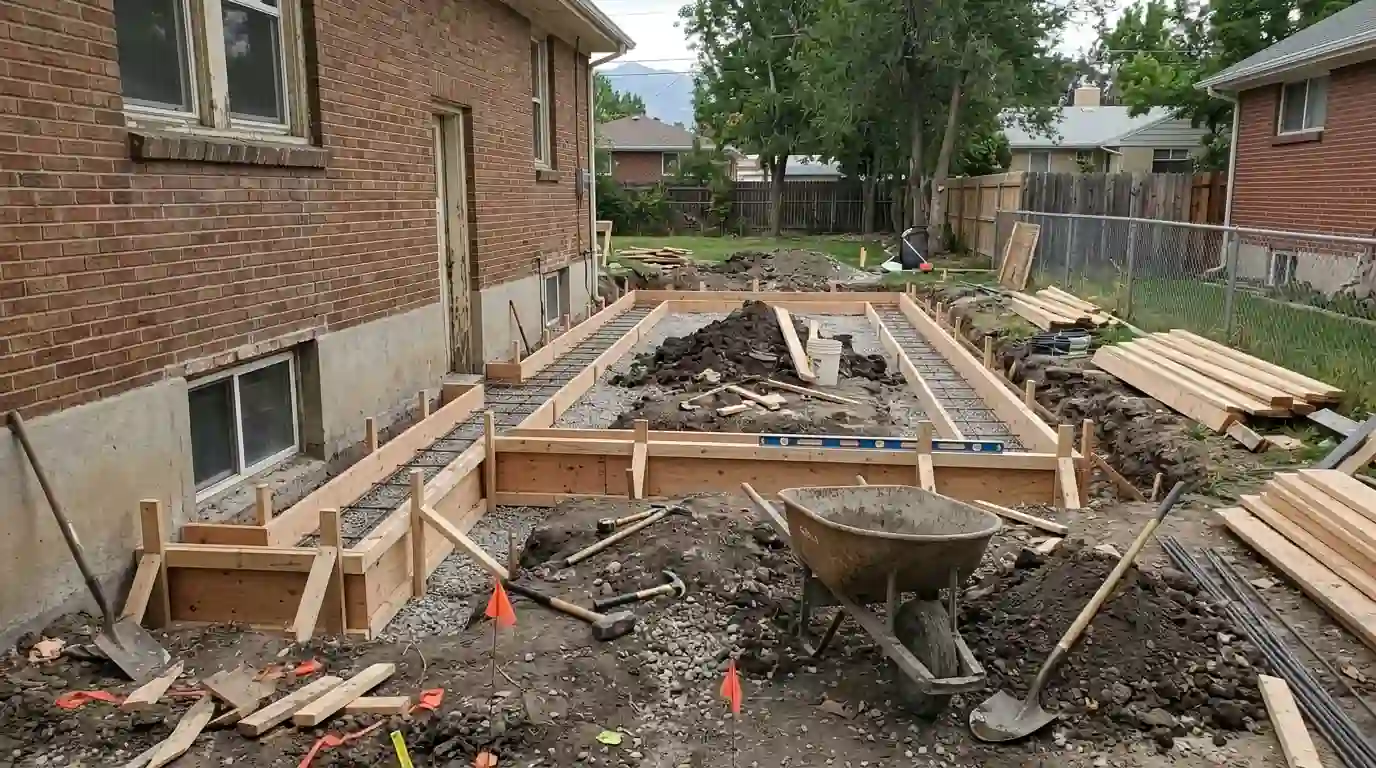
The days between plumbing and the pour are the one chance to treat all the soil under a slab.
Call (801) 516-0135Soil under the slab is treated before the pour.
Termite work uses liquid soil treatments and bait systems from product lines like these.
- Termidor
- Sentricon
- Trelona
- Temprid
- Alpine WSG
FAQ
Pre-construction termite treatment questions from Salt Lake homeowners
Still unsure? (801) 516-0135 is answered around the clock.
After grading and plumbing are complete, before the vapor barrier and the pour.
Yes. A new slab against an existing house creates new joints termites can use.
Yes. We schedule with the builder or site lead around the pour date.
Heavy rain can affect the treatment. We'll check the site and re-treat if needed.
It's the best start. Annual inspections after the house is built are still wise.
Yes, a record of the treatment for the builder and owner.
Yes, any slab can be treated before it's poured.
Related services
More from termites & wood destroyers
From the Pest Library: Termite swarmers or flying ants? A spring identification guide
Talk to us
Pouring a slab soon?
Call now to schedule pre-construction treatment before the concrete goes down.
Homes, rentals and businesses across Salt Lake, Davis, Weber, Box Elder, Morgan, Tooele and Utah counties.
