Bed bugs & indoor pests
Carpet beetle and clothes moth control in Salt Lake City, UT
Holes in a wool sweater, bare patches on a rug, tiny fuzzy larvae in the closet corner. Carpet beetles and clothes moths eat natural fibers quietly for months before anyone notices.
Most active
- Spring
- Summer
- Fall
- Winter
Quick answer
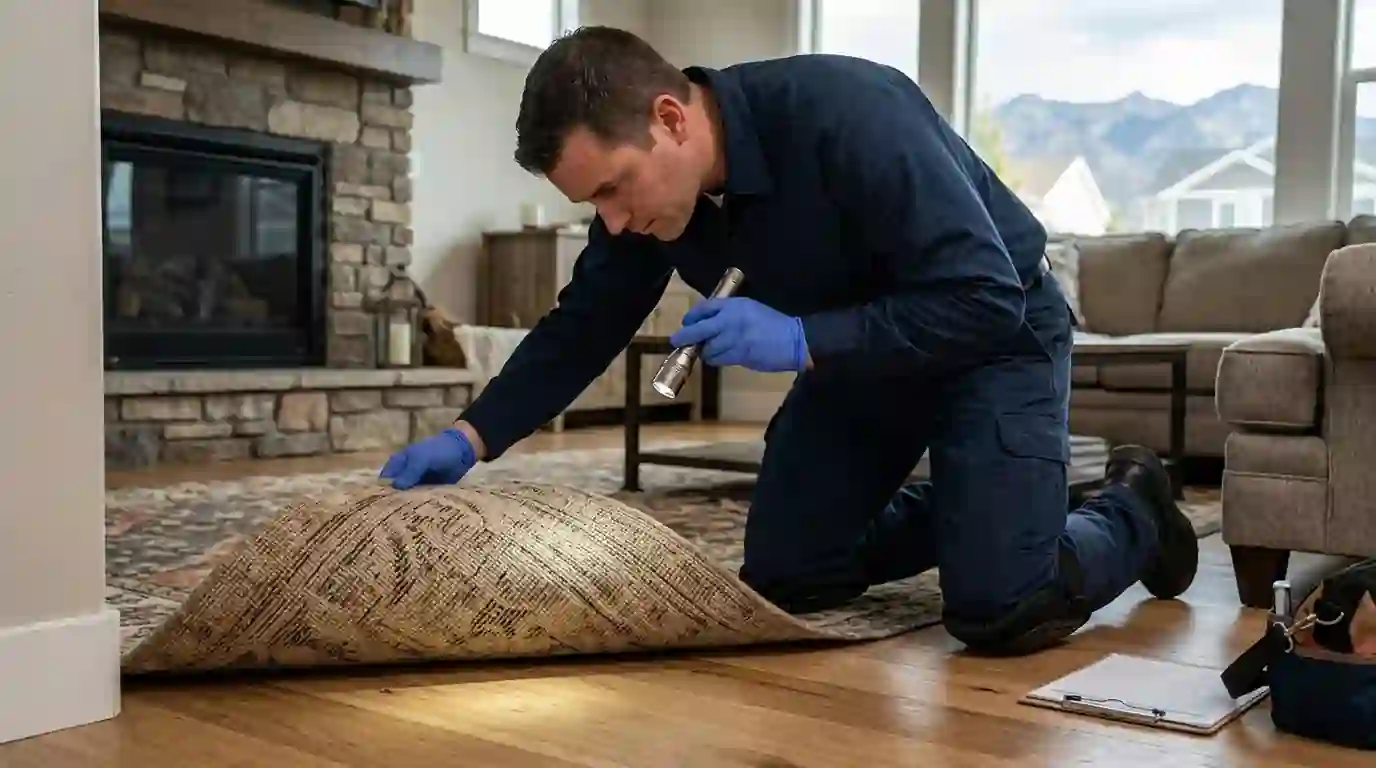
Carpet beetle and clothes moth control starts with finding where the larvae are feeding: under furniture on wool rugs, in closet corners, stored sweaters, wool blankets, feather pillows, taxidermy and the lint along baseboards. We treat those areas, clean out lint and debris, and help change storage so natural fibers are sealed and checked. Adults are harmless; the larvae do the damage.
At a glance
- Best for
- Damage to wool, silk, fur, feathers and stored fabrics
- What eats it
- The larvae, not the adults
- Visit length
- About an hour for most homes
- Key step
- Finding the source and changing how fabrics are stored
Overview
The larvae do the damage
Adult carpet beetles are small, rounded and often patterned, and they spend their time outdoors feeding on pollen. They fly in through windows and lay eggs wherever there's food for their larvae: wool, silk, fur, feathers, leather, pet hair and the lint that builds up under furniture and along baseboards.
Clothes moth larvae feed on the same things, usually in dark, undisturbed places: the back of closets, stored clothing, wool blankets and the underside of rugs. The moths themselves are small and pale and avoid light, which is why damage is often found long after it started.
Treatment focuses on the larvae: finding every feeding spot, cleaning out lint and debris, treating cracks and rug edges, and dealing with infested items by cleaning, freezing or discarding them.
Your options
Treatment options
| Option | Best for | Trade-off |
|---|---|---|
| Targeted treatment | Rug edges, closets and baseboards | Needs the source found first |
| Cleaning and laundering | Clothing, blankets and textiles | Takes time for large collections |
| Freezing items | Delicate or valuable fabrics | Needs freezer space and time |
| Pheromone traps for moths | Monitoring clothes moths | Tracks moths but doesn't remove larvae |
Cost
What carpet beetle and moth control costs
Priced by how many rooms and items are involved.
Published range
Published figures put moth extermination at about $200 to $370. Source: angi.com, checked September 2026.
Rooms involved
One closet is quicker than rugs and closets throughout the house.
Rugs and furniture
Large wool rugs and upholstered pieces take more time.
Stored items
Attic and basement storage adds inspection time.
Follow-up
Traps and a second visit for heavy moth activity.
Valuable items
Heirlooms and collections may need special handling.
What it covers
Fabric pests we handle
Carpet beetle larvae
Larvae on rug edges, under furniture, in closets and along lint-filled baseboards.
Clothes moths in closets
Moths and larvae in closets, dressers and stored clothing.
Wool rugs and stored fabric
Rugs, blankets, stored textiles and heirloom items in attics and basements.
Do it yourself?
What you can do
What you can do today
- Vacuum under furniture, rug edges and closet corners regularly.
- Clean wool and silk before storing it.
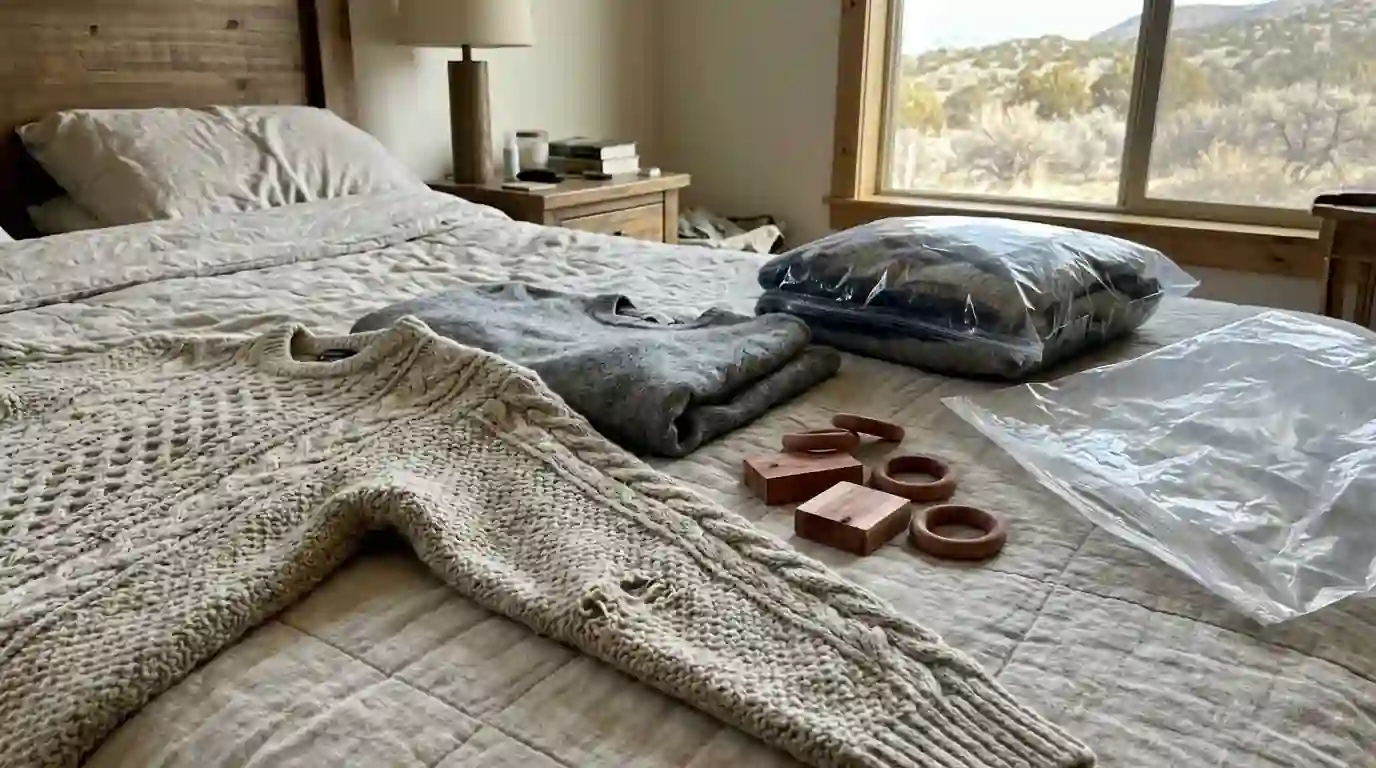
- Store fabrics in sealed bins or garment bags.
- Freeze small infested items for several days before cleaning.
What to leave alone
- Storing worn wool clothing without cleaning it.
- Leaving lint and pet hair to build up along baseboards.
- Relying on cedar alone, which doesn't kill larvae.
- Ignoring small holes until a whole wardrobe is damaged.
How the visit goes
How a fabric pest visit goes
Identify the pest
Carpet beetle or clothes moth, which changes where to look.
Find the feeding spots
Rugs, closets, storage, baseboards, vents and upholstered furniture.
Clean and remove
Lint and debris out; infested items set aside for cleaning or freezing.
Treat
Targeted treatment of rug edges, cracks and closet corners.
Prevent
Storage changes, and pheromone traps for clothes moths.
Before we arrive
Before your treatment
- Show us damaged clothing, rugs or items.
- Empty closet floors and the backs of closets.
- Pull furniture back from rug edges where you can.
- Bag items you plan to launder or dry-clean.
- Open attic or basement storage we should check.
- Vacuum the week before, and keep the bag for us to check.
- Keep pets out of treated rooms until dry.
- Tell us about any heirloom or valuable textiles.
Warning signs
Signs of carpet beetles or clothes moths
Sign 01
Small holes in wool or silk
Irregular holes in sweaters, blankets and scarves.
Sign 02
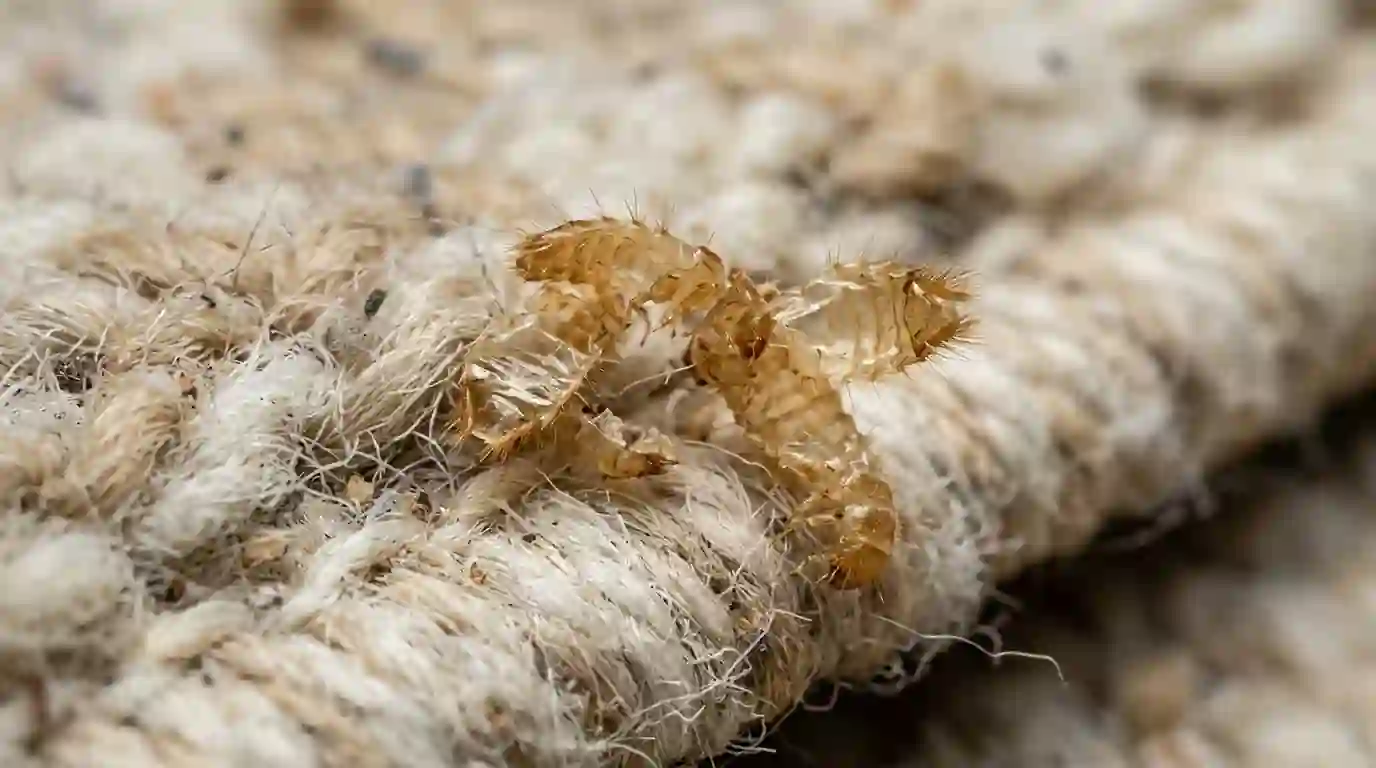
Fuzzy larvae or shed skins
Tiny hairy larvae or their skins in closets and along rug edges.
Sign 03
Bare patches on rugs
Thinning or bald spots on wool rugs, often under furniture.
Sign 04
Small beetles on windowsills
Adult carpet beetles gather at windows looking for light.
Sign 05
Small moths in dark closets
Pale moths that avoid light and flutter from closets.
Salt Lake conditions
Fabric pests in older Salt Lake homes
About a quarter of Salt Lake City's homes were built before 1940, and the median home dates to 1965. Older houses often have wool rugs, attic and basement storage, and gaps along original baseboards where lint builds up, all of which feed carpet beetle and clothes moth larvae. In the city's apartment buildings, where about 20 percent of housing units sit in buildings of 50 or more units, closets and shared storage rooms are where these pests usually turn up.
Attic and basement storage is worth checking whenever damage shows up in a closet upstairs.
Sources: point2homes.com
Indoor work leans on growth regulators, gel baits and targeted residuals from product lines like these.
- Temprid
- Gentrol
- Advion
- Alpine WSG
- Suspend PolyZone
- Maxforce
Timing
How long it takes
- Same visitFeeding spots are cleaned and treated.
- Two to four weeksLaundering, freezing and cleaning of stored items is completed.
- A few monthsTraps and inspections confirm activity has stopped.
- Long termSealed storage and regular vacuuming keep them away.

Quiet damage, easy to miss
Larvae feed in the dark for months. Checking closets, rugs and storage twice a year catches them early.
Call (801) 516-0135Rug edges and closet corners are where larvae feed.
FAQ
Carpet beetle & clothes moth control questions from Salt Lake homeowners
Still unsure? (801) 516-0135 is answered around the clock.
Both have larvae that eat natural fibers. Carpet beetle larvae are fuzzy and slow; clothes moth larvae are small white caterpillars, often with silk cases.
No. Adult carpet beetles eat pollen and adult clothes moths don't feed. The larvae do the damage.
Cedar may discourage adults a little, but it doesn't kill larvae. Cleaning and sealed storage work better.
Often, yes. Cleaning or freezing kills larvae; small holes can be repaired.
Adult carpet beetles are drawn to light and often gather at windows.
Rarely, unless they're blended with wool or soiled with food or sweat.
Vacuum regularly, clean fabrics before storing them and keep them in sealed containers.
Related services
More from bed bugs & indoor pests
From the Pest Library: What pest control costs in Salt Lake City
Talk to us
Holes in your sweaters?
Call now to find and treat the source. A real person answers any hour.
Homes, rentals and businesses across Salt Lake, Davis, Weber, Box Elder, Morgan, Tooele and Utah counties.
