Spiders, ants & crawling insects
Flea and tick control in Salt Lake City, UT
Fleas in the carpet after a pet brings them home, ticks on the dog after a foothill walk. Both need the house, the yard and the pet handled at the same time.
Most active
- Spring
- Summer
- Fall
- Winter
Quick answer
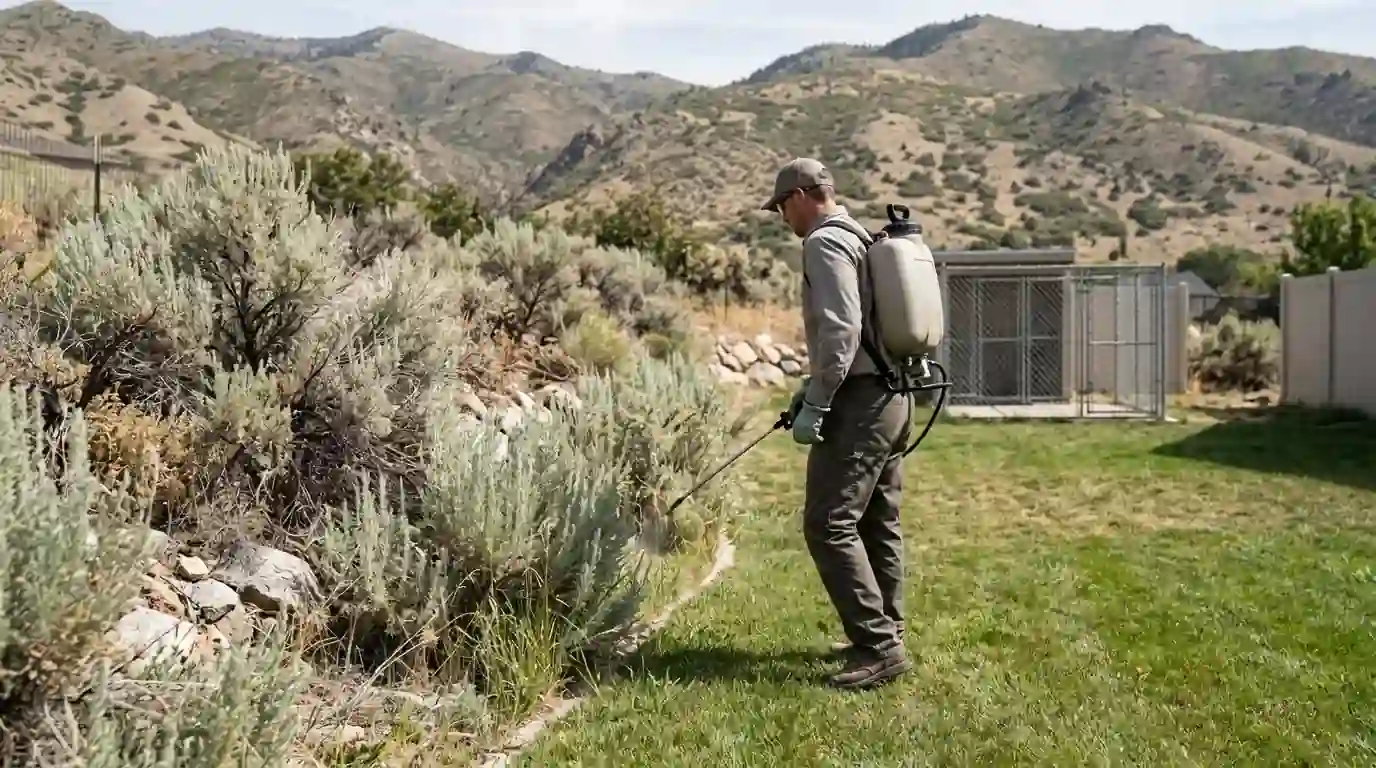
Flea and tick control works only when the house, the yard and the pet are treated together. Indoors, we treat carpets, pet resting spots and furniture edges with a growth regulator so eggs and larvae don't develop. Outside, we treat shaded areas and brush edges where fleas and ticks wait. In Utah the main tick on people and pets is the Rocky Mountain wood tick, most active from snowmelt through mid-July.
At a glance
- Best for
- Fleas indoors, fleas in the yard, ticks on foothill lots
- Tick season
- Snowmelt through mid-July, with some in fall
- Key step
- Pets treated by your vet at the same time
- Follow-up
- A second flea visit is common
Warning signs
Signs you need flea or tick treatment
Sign 01
Bites around the ankles
Small, itchy bites on the lower legs are the classic flea sign.
Sign 02
Pets scratching constantly
A pet that won't stop scratching, especially after a vet treatment, may be getting reinfested from the house.
Sign 03
Black specks in pet bedding
Flea dirt looks like pepper and turns reddish when wet.
Sign 04
Ticks on pets after walks
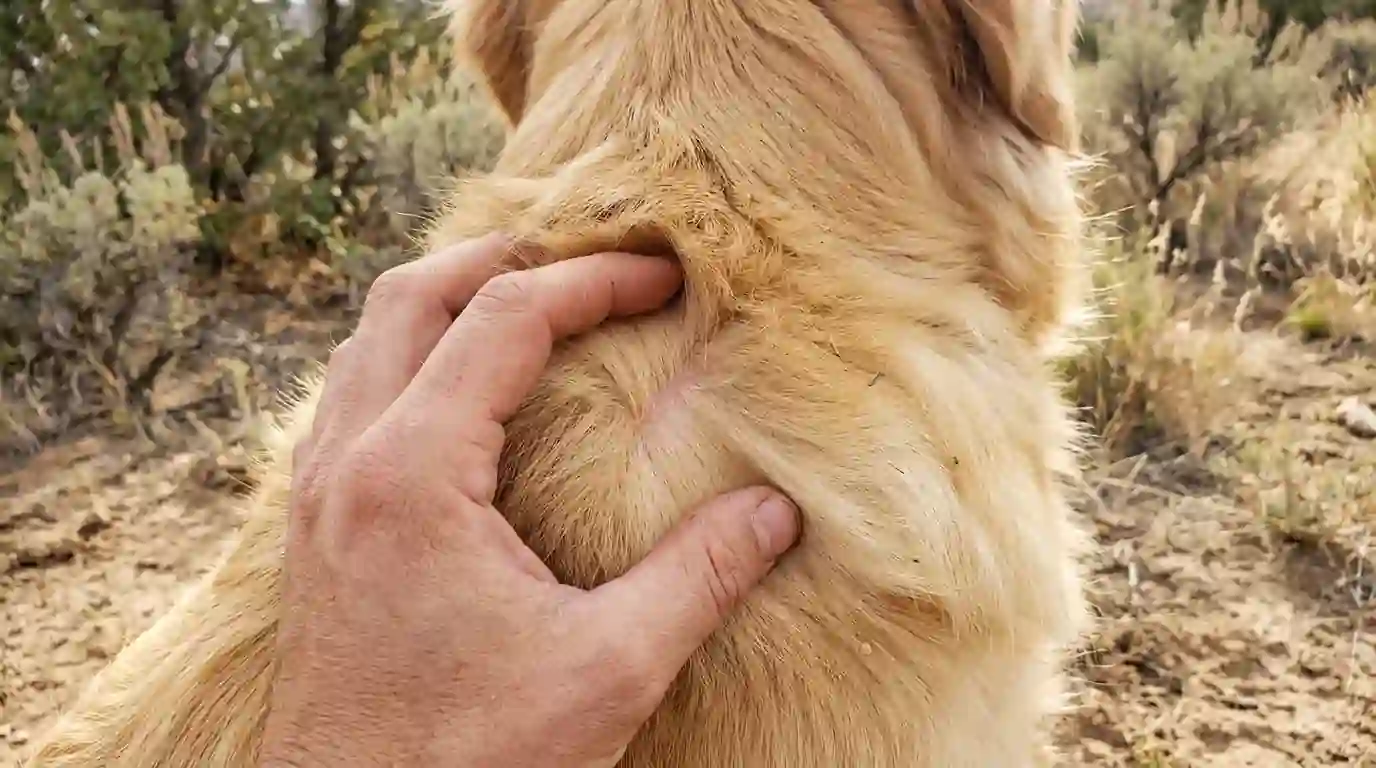
Ticks found on dogs after foothill or trail walks mean the brush nearby is tick habitat.
Sign 05
Fever after a tick bite
Fever, chills or body aches after a tick bite deserve a call to your doctor.
Overview
Why fleas and ticks need a three-part plan
Adult fleas on the pet are only a small share of the problem. Most of the population is eggs, larvae and pupae in carpets, pet beds, couches and shady outdoor spots. Treat only the pet and the house keeps reinfesting it; treat only the house and the pet keeps bringing new fleas in.
Ticks work differently. They don't live in the house; they wait on grass, low plants and sagebrush for a host to brush past. Homes on foothill lots and along open space see the most ticks, carried in on dogs and on people after hikes.
So the plan covers all three: the house, the yard and the pet. We handle the house and yard, and ask that pets get a vet-recommended flea and tick product at the same time.
How the visit goes
How a flea and tick treatment goes
Talk through the pets
Which animals, where they sleep and what vet products they're on.
Inspect
Pet beds, carpets, furniture, shaded yard spots and brush edges.
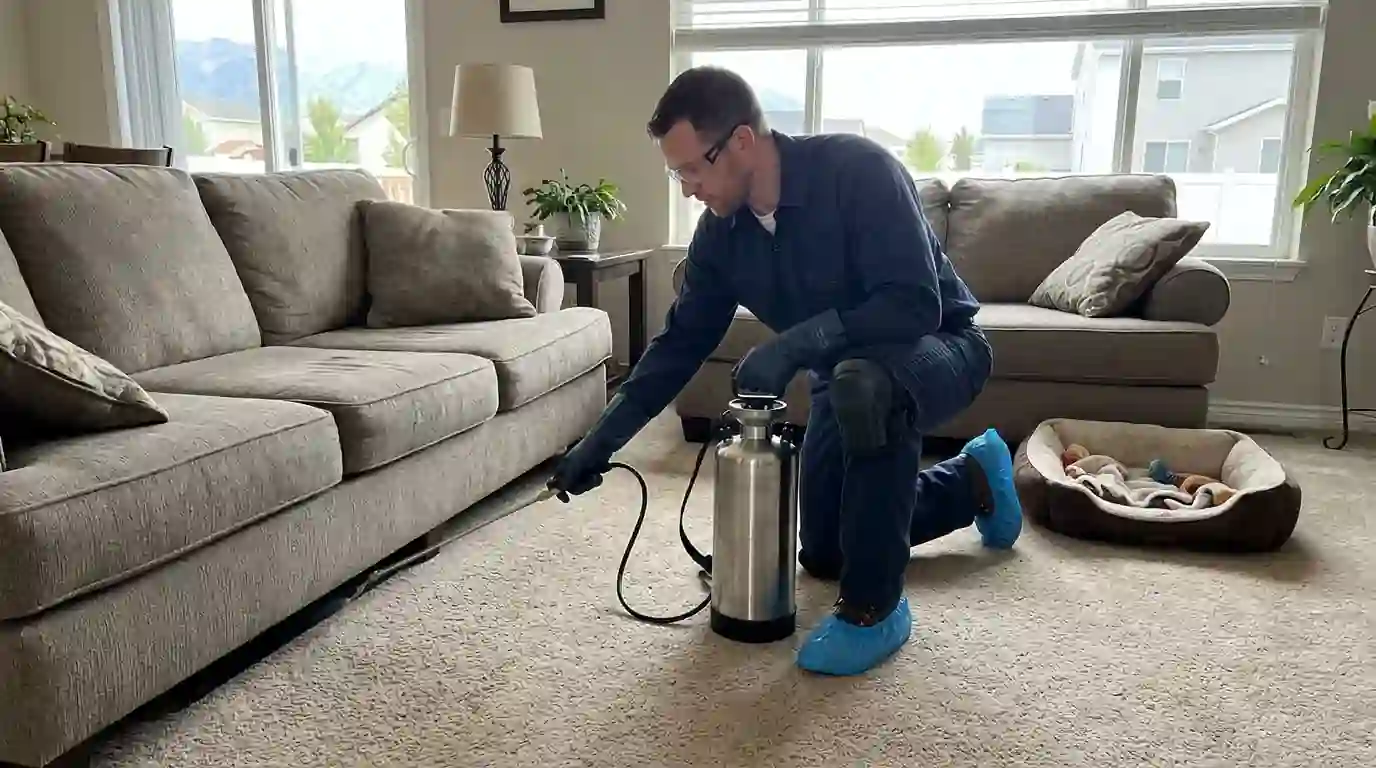
Treat indoors
Carpets, furniture edges and pet resting spots with an adulticide and growth regulator.
Treat outdoors
Shaded areas, kennels, crawlspace openings and brush lines where fleas and ticks wait.
Follow up
A second flea visit when the pupae hatch, usually a couple of weeks later.
What it covers
Flea and tick services
Indoor flea treatment
Carpets, rugs, furniture edges and pet resting spots, with a growth regulator to stop the next generation.
Yard flea treatment
Shaded lawn areas, kennels, under decks and along fences where pets spend time.
Ticks on foothill lots
Lawn edges, brush lines and sagebrush borders on homes that back onto open space.
Coordinating with pet treatment
Timing our visits with the flea and tick product your vet recommends.
Salt Lake conditions
Tick season along the Wasatch foothills
In Utah, the Rocky Mountain wood tick is the main tick that attaches to people and pets, and it can transmit Colorado tick fever, the most common tick-borne disease in the state. Ticks are met most often from snowmelt through mid-July. They wait on grasses, low plants and sagebrush rather than jumping or flying, which is why homes backing onto foothill brush see the most. The brown dog tick is occasionally carried into homes on infested dogs.
After a walk in the foothills, check pets and people, especially along the edges of fields and brush.
Sources: extension.usu.edu, extension.usu.edu
Timing
How long flea and tick control takes
- First daysAdult fleas contacting treated areas die off; vacuuming helps a lot.
- Ten to fourteen daysNew fleas can still hatch from protected pupae, which is normal.
- Second visitA follow-up treatment catches the newly hatched fleas.
- Tick seasonYard edges may need treatment again through spring and early summer.
Your options
What to treat, and when
| Situation | What we treat | What you do |
|---|---|---|
| Fleas indoors | Carpets, furniture edges, pet resting spots | Vet-recommended pet treatment, daily vacuuming |
| Fleas in the yard | Shaded lawn, kennels, under decks | Keep grass short, limit strays and wildlife |
| Ticks on a foothill lot | Lawn edges, brush lines, sagebrush borders | Check pets and people after walks |
| Both at once | House, yard and edges together | Keep pets on the vet plan through the season |
Do it yourself?
What you can do
What you can do today
- Get pets on a vet-recommended flea and tick product the same week we treat.
- Vacuum carpets and furniture daily for two weeks and empty it outside.
- Wash pet bedding in hot water.
- Keep grass short and brush cut back along the yard edges.
What to leave alone
- Treating only the pet or only the house.
- Using flea foggers, which miss carpet fibers and under furniture.
- Stopping vacuuming after a few days.
- Pulling a tick off with bare fingers; use fine tweezers and grip close to the skin.
Before we arrive
Before your flea and tick treatment
- Vacuum all floors, rugs and furniture and empty the vacuum outside.
- Wash pet bedding, throws and blankets.
- Pick up toys and items from the floors.
- Book the pet's flea and tick treatment for the same week.
- Plan for pets and people to be out while treatments dry.
- Cover fish tanks and turn off air pumps.
- Unlock gates and kennels for the yard treatment.
- Mow the lawn a day or two before.
For spiders, ants and other crawling insects we choose from product lines like these, matched to the pest and where it hides.
- Demand CS
- Suspend PolyZone
- Temprid
- Tempo
- Alpine WSG
- Advion
- Maxforce
- Gentrol
Cost
What flea and tick control costs
Priced by the size of the home and yard and whether a second visit is needed.
Published range
A general exterminator visit typically runs about $100 to $260. Source: angi.com, checked September 2026.
Indoor area
More carpeted rooms and furniture mean more treatment.
Yard size and brush
Large lots and foothill edges add outdoor treatment area.
Number of pets
More pets usually means more resting spots to treat.
Follow-up visit
Most flea jobs need a second treatment.
Season
Tick treatments on foothill lots may repeat through spring and early summer.

House, yard and pet together
Fleas bounce between all three, so we treat the house and yard while your vet handles the pet.
Call (801) 516-0135Foothill brush lines are where Utah ticks wait for a host.
FAQ
Flea & tick control questions from Salt Lake homeowners
Still unsure? (801) 516-0135 is answered around the clock.
Flea pupae are protected until they hatch, so new adults can appear for a week or two. Keep vacuuming; a follow-up visit catches them.
Yes, people and pets should stay out until treated areas dry, usually a few hours.
USU Extension says the only human-attaching tick in Utah that can carry Lyme disease is the western blacklegged tick, and the chance of meeting one is very low. The Rocky Mountain wood tick is the main concern.
Ticks are met most often from snowmelt through mid-July, and some are active again in the fall.
No, pet treatments come from your vet. We coordinate our visits with the product your vet recommends.
They can, when fleas come in on people, other pets or from wildlife around the house.
Remove the tick with fine tweezers close to the skin, clean the spot and watch for fever or aches. Call your doctor if you feel unwell.
Related services
More from spiders, ants & crawling insects
From the Pest Library: What pest control costs in Salt Lake City
Talk to us
Fleas in the carpet or ticks on the dog?
Call now to treat the house and yard. A real person answers any hour.
Homes, rentals and businesses across Salt Lake, Davis, Weber, Box Elder, Morgan, Tooele and Utah counties.
