Bed bugs & indoor pests
Bed bug heat treatment in Salt Lake City, UT
Heat kills bed bugs and their eggs in one long visit. Done properly, it reaches every crack, and the right prep and follow-up make the difference between done and almost done.
Most active
- Spring
- Summer
- Fall
- Winter
Quick answer
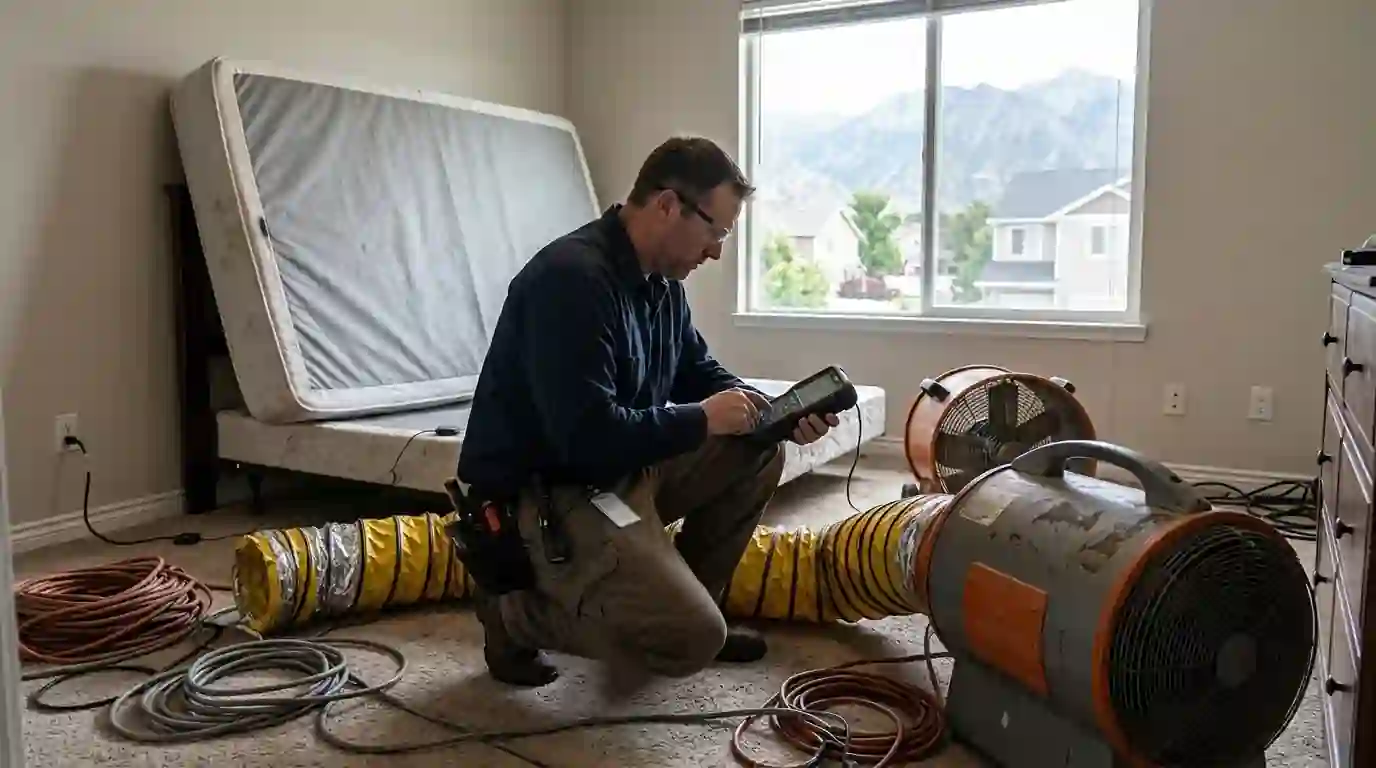
Bed bug heat treatment raises the rooms to a temperature that kills bed bugs and eggs, holds it for hours while fans move the heat into furniture, walls and clutter, and tracks it with temperature probes in the hardest-to-heat spots. It's usually one long visit instead of two or three. Prep matters: heat-sensitive items come out, and a residual treatment afterward protects against any bugs that escaped to cooler spots.
At a glance
- Best for
- Heavy infestations or when you want it done in a day
- Time on site
- Most of a day, depending on the size of the home
- How it works
- Rooms heated and held at a lethal temperature with fans and probes
- Follow-up
- An inspection, often with a residual treatment
Overview
How heat treatment works
Bed bugs and their eggs die when held at a high enough temperature for long enough. Heat treatment uses portable heaters and fans to bring every room up to that temperature and keep it there while heat soaks into mattresses, couches, dressers and wall voids.
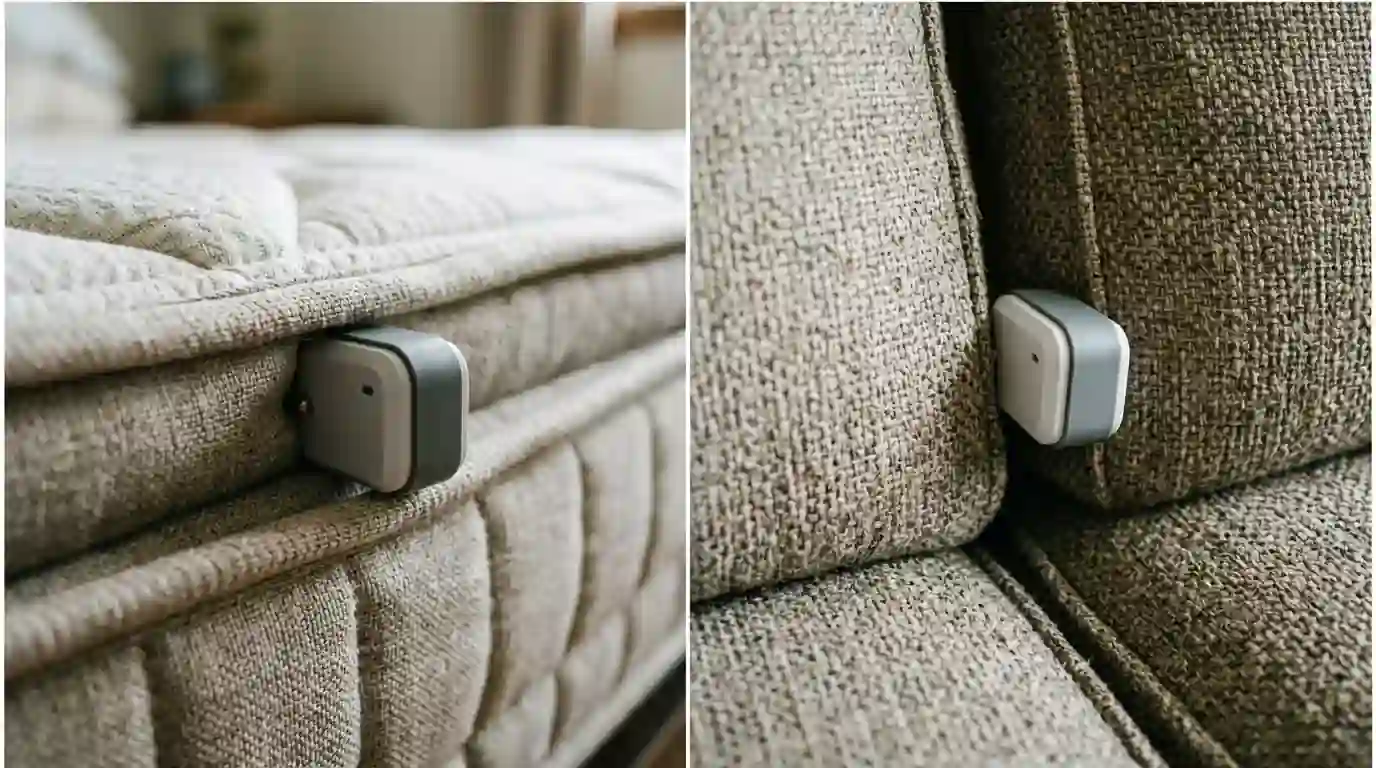
The key is making sure every hiding spot actually gets hot. Temperature probes go into the places that heat slowest, like couch cushions, the middle of a mattress and closet corners, and the technician moves fans, flips items and spreads clutter until every probe reads lethal and holds.
Because a few bugs can escape to cooler spots near exterior walls or floors, many heat jobs finish with a residual treatment along baseboards and entry points and a follow-up inspection.
Your options
Heat treatment options
| Option | Best for | What it involves | Trade-off |
|---|---|---|---|
| Whole-home heat | Bugs in several rooms | Every affected room heated at once | The most prep and the longest day |
| Single-unit heat | One apartment or condo | The unit heated, neighbors checked | Neighboring units may need attention |
| Heat plus residual | Most jobs | Heat, then residual along edges and entry points | An extra step, but more thorough |
Cost
What heat treatment costs
Heat is usually one visit, but it's a long one with a lot of equipment.
Published range
Published figures put bed bug treatment anywhere from about $350 to $5,000; heat usually sits toward the upper part of that range for whole homes. Source: angi.com, checked September 2026.
Square footage
Heat is priced largely by the area that has to be heated.
Clutter
Crowded rooms take longer to heat evenly.
Number of rooms
One unit or bedroom costs less than a whole house.
Residual follow-up
Adding a residual treatment and follow-up inspection adds to the price.
Building type
Apartments and attached homes may need neighboring units checked.
What it covers
Heat treatment services
Whole-home heat treatment
Every affected room heated and held at lethal temperature in one visit.
Single-unit heat treatment
Apartments and condos heated unit by unit, with a check of neighboring units.
Preparing your home for heat
A clear prep list of what to remove, what to leave and how to bag clothing.
Heat plus residual follow-up
A residual treatment after heat and a follow-up inspection to confirm the result.
Do it yourself?
Prep that makes heat work
What you can do today
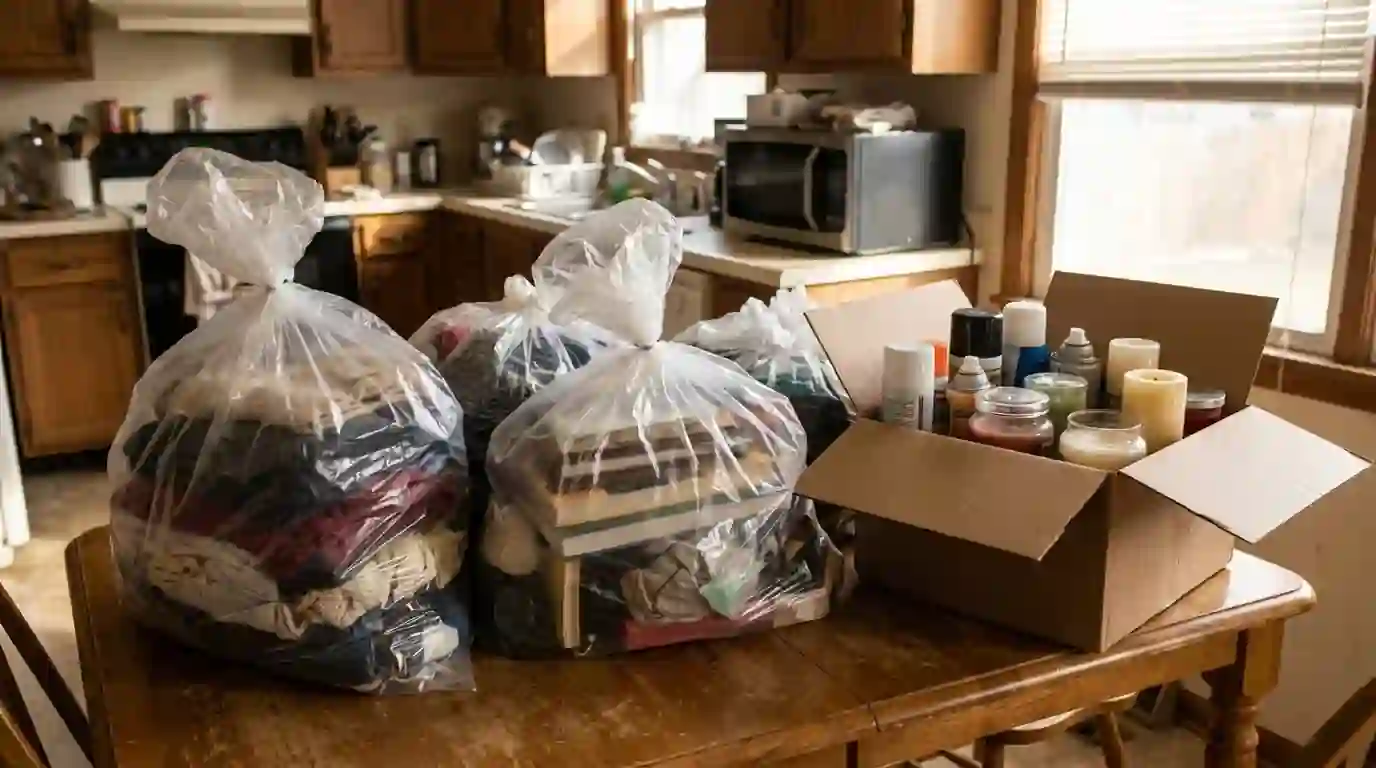
- Remove candles, aerosols, medications, vinyl records and other heat-sensitive items.
- Leave clothes and linens in the room, loosely, unless told otherwise.
- Take pets, plants and fish out of the home.
- Open closets and drawers so heat can move through.
What to leave alone
- Moving items to another room or a car without bagging them.
- Packing rooms so tightly that heat can't circulate.
- Treating with sprays right before heat, which can drive bugs into walls.
- Skipping the follow-up inspection.
How the visit goes
How a heat treatment day goes
Walk-through
Confirm prep, remove anything that shouldn't be heated and place probes.
Bring the heat up
Heaters and fans raise every room to a lethal temperature.
Hold and move
Hold the temperature for hours, moving fans and flipping items so every probe reads lethal.
Cool down and treat edges
Rooms cool; a residual goes along baseboards and entry points.
Follow up
An inspection later confirms the job is done.
Before we arrive
Heat treatment prep list
- Remove candles, crayons, lipstick and other items that melt.
- Remove aerosol cans, lighters and pressurized containers.
- Take out medications, vitamins and food that heat could spoil.
- Remove houseplants, pets and fish tanks.
- Unplug electronics you're worried about and tell us about them.
- Open drawers, closets and cabinets.
- Strip beds and leave linens loose in the room.
- Plan to be out of the home for most of the day.
Warning signs
Signs heat might be the better choice
Sign 01
Bugs in several rooms
A spread infestation is often faster to clear with heat than with multiple chemical visits.
Sign 02
Past treatments didn't finish it
Repeat problems after conventional treatment point to missed hiding spots.
Sign 03
You need it done fast
Heat is one long visit instead of several over a month.
Sign 04
Unit turnover in rentals
Heat can clear a unit quickly between tenants.
Sign 05
Lots of clutter or furniture
Heat reaches into items that sprays can't treat directly.
Salt Lake conditions
Doing heat properly
Virginia Tech entomologists note that bed bug heat treatment results depend on the heating system, the size of the structure, how long active heating runs, air movement from fans and the focused attention of a trained technician, and many homes can't be done right in a short four-hour window. In Salt Lake City, where about 20 percent of housing units sit in buildings of 50 or more units, heat in apartments also means checking the units on either side.
That's why we plan heat jobs around the actual size and contents of the home, not a fixed number of hours.
Sources: spes.vt.edu, point2homes.com
Indoor work leans on growth regulators, gel baits and targeted residuals from product lines like these.
- Temprid
- Gentrol
- Advion
- Alpine WSG
- Suspend PolyZone
- Maxforce
Timing
How long heat treatment takes
- Prep, the day beforeBag, remove heat-sensitive items and open drawers and closets.
- Treatment dayMost of a day, depending on size and clutter.
- That eveningRooms cool and you can usually return once we're done.
- Follow-upAn inspection confirms the result, often a couple of weeks later.

One long day, done right
Heat works when every probe reads lethal and holds. That takes time, fans and attention, not a quick blast.
Call (801) 516-0135Fans move heat into furniture, walls and clutter.
FAQ
Bed bug heat treatment questions from Salt Lake homeowners
Still unsure? (801) 516-0135 is answered around the clock.
Yes. Held at a lethal temperature long enough, heat kills every life stage, including eggs.
Most of a day for a typical home, depending on size and clutter.
Anything that melts, is pressurized or can be damaged by heat: candles, aerosols, medications, plants, pets and some electronics.
It's faster and reaches into items sprays can't treat. Chemical treatment costs less per visit and works well for smaller problems. Many jobs combine both.
They can if some spots never reach lethal temperature. That's why probes, fans and a residual follow-up matter.
With proper prep and monitoring, heat is safe for most homes and furnishings. We'll tell you what to remove.
Yes. A follow-up inspection confirms the job is done.
Related services
More from bed bugs & indoor pests
From the Pest Library: Bed bug heat treatment vs chemical treatment
Talk to us
Want bed bugs gone in one day?
Call now to talk through heat treatment for your home. A real person answers any hour.
Homes, rentals and businesses across Salt Lake, Davis, Weber, Box Elder, Morgan, Tooele and Utah counties.
