Mice, rats & lawn rodents
Pocket gopher control in Salt Lake City, UT
Fresh fan-shaped mounds popping up across the lawn every morning. Pocket gophers live underground, one to a tunnel system, and they chew roots, irrigation lines and cables along the way.
Most active
- Spring
- Summer
- Fall
- Winter
Quick answer
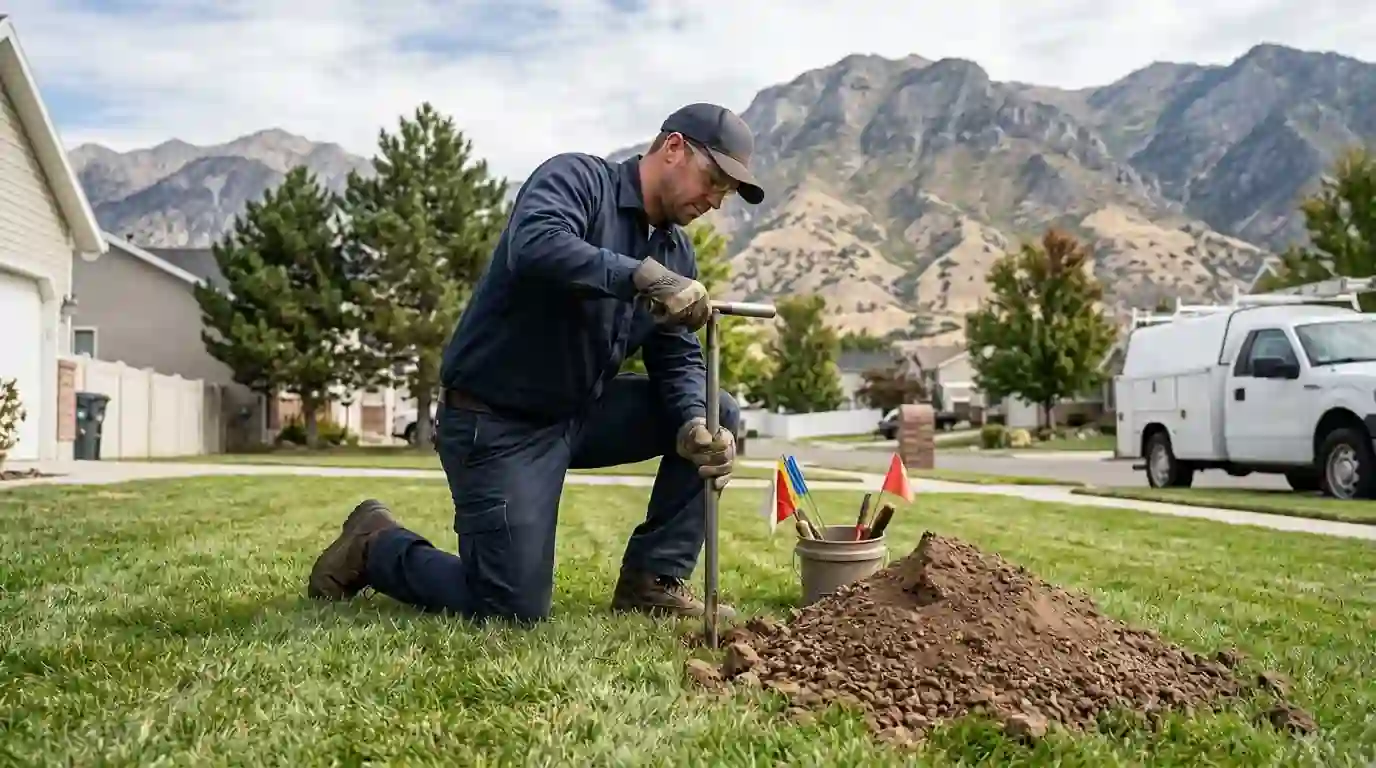
Pocket gopher control in Salt Lake City starts with finding the main tunnel. Gophers push soil up into fan-shaped mounds with a plug to one side, and the tunnel runs from that plug. We probe to find it, set traps or treat the tunnel, and check back. Gophers live one to a tunnel system, so clearing one yard is often a matter of a few animals.
At a glance
- Best for
- Mounds in lawns, gardens, orchards and new subdivisions
- Signs
- Fan-shaped mounds with a soil plug
- How it works
- Probing tunnels and trapping or treating them
- Most active
- Spring and fall, but year round
Overview
Working underground
Pocket gophers spend almost their whole lives underground, digging tunnel systems and pushing the soil up into mounds. The mound is fan-shaped, with a soil plug where the gopher closed the tunnel, and that's the clue to where the main tunnel runs.
They eat roots, bulbs and plants from below, and their digging chews through drip lines, irrigation pipes and buried cables. Lawns, gardens, orchards and new landscaping all suffer.
Control is precise work: probing to find the main tunnel, setting traps in it or treating it, and checking back. Because each tunnel system usually holds one gopher, a yard can often be cleared in a few visits.
Your options
Gopher control options
| Option | Best for | Trade-off |
|---|---|---|
| Tunnel trapping | Most lawns and gardens | Needs accurate probing and checking |
| Tunnel treatment | Larger areas and multiple systems | Placed underground, away from pets and kids |
| Garden barriers | Raised beds and new plantings | Protects plants but doesn't remove gophers |
| Ongoing monitoring | Lots next to open land | Repeat visits as new gophers move in |
Cost
What gopher control costs
Priced by the number of tunnel systems and visits.
Published range
A general exterminator visit typically runs about $100 to $260. Source: angi.com, checked September 2026.
Number of tunnel systems
Each active system is its own gopher.
Yard size
Larger lots with more mounds take longer.
Return visits
Traps are checked and reset.
Neighboring land
Lots next to fields see new gophers move in.
Garden protection
Barriers for beds and trees add to the job.
What it covers
Gopher services
Mound treatment
Probing from fresh mounds to find and treat active tunnels.
Trapping
Traps set in the main tunnel and checked until activity stops.
Garden and orchard protection
Barriers for raised beds and young trees, plus tunnel control nearby.
Do it yourself?
What you can do
What you can do today
- Flatten old mounds so you can spot new ones.
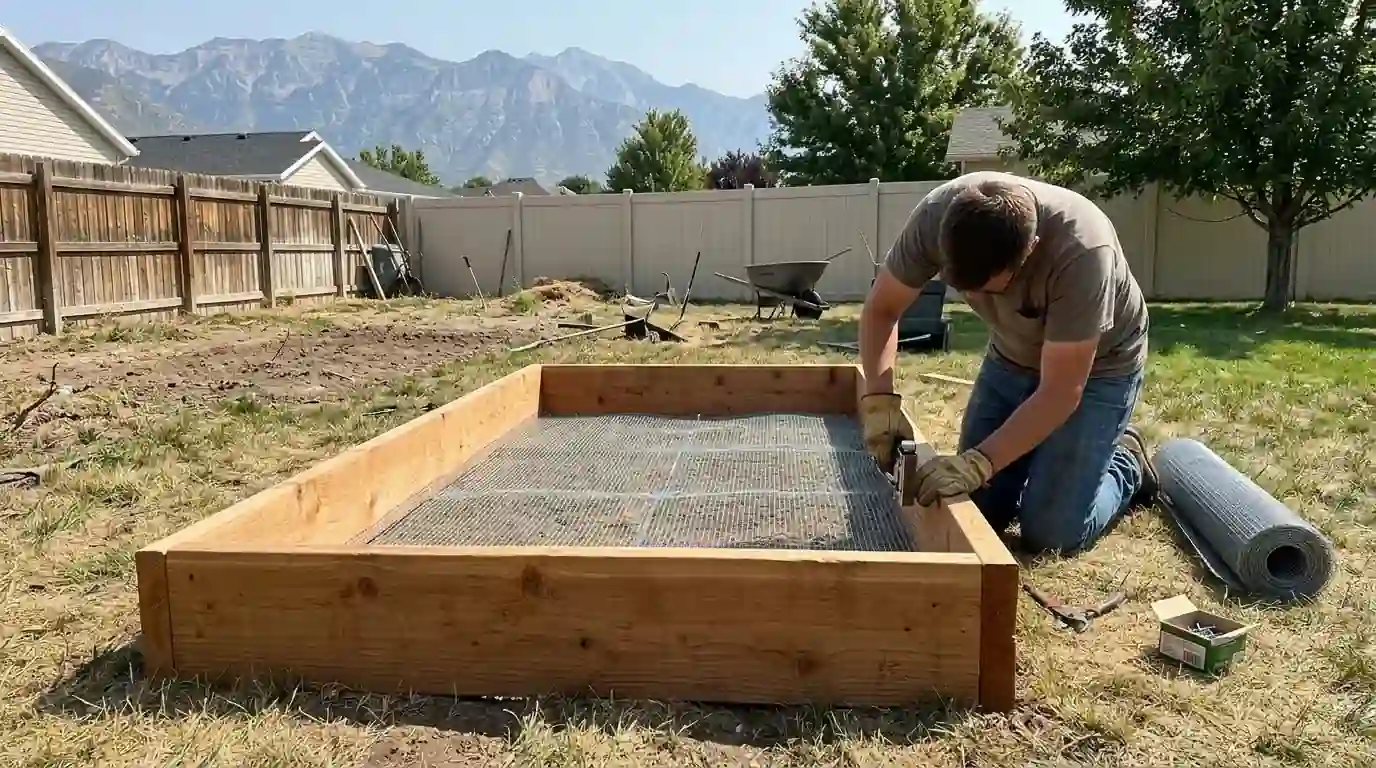
- Line raised beds with hardware cloth.
- Protect new tree roots with wire baskets when planting.
- Call early, when there are only a few mounds.
What to leave alone
- Flooding tunnels, which rarely works and wastes water.
- Using gas cartridges near the house.
- Pouring anything into tunnels near vegetable gardens.
- Waiting until the whole lawn is mounded.
How the visit goes
How gopher control goes
Map the mounds
Find fresh mounds and which ones are active.
Probe for the tunnel
Locate the main tunnel from the mound plug.
Trap or treat
Set traps in the tunnel or treat it underground.
Check back
Return to check traps and look for new mounds.
Protect plants
Barriers for gardens and young trees where needed.
Before we arrive
Before we arrive
- Leave fresh mounds in place.
- Flatten old mounds a day or two before so new ones stand out.
- Mark sprinkler and drip lines.
- Keep pets inside during the visit.
- Unlock gates to the yard.
- Point out damaged plants and beds.
- Tell us about neighboring fields or open land.
- Note where mounds appeared first.
Warning signs
Signs of pocket gophers
Sign 01
Fan-shaped mounds
Mounds of fresh soil with a plugged hole off to one side.
Sign 02
Plants dying from the roots
Plants wilting or pulled underground from below.
Sign 03
Damaged irrigation lines
Leaks or dry spots where gophers chewed through drip lines or pipes.
Sign 04
Damaged garden beds
Vegetables, bulbs and perennials eaten from underneath.
Sign 05
Mounds after new construction
Activity often spikes in new subdivisions near open land.
Salt Lake conditions
Pocket gophers in Utah yards
USU Extension notes pocket gophers leave fan-shaped mounds with a soil plug in the middle, are active year round, usually live one to a tunnel system, and damage lawns, gardens, underground cables and irrigation pipes. In Utah they mate in February and March, and females usually have one litter a year, born March to June. In urban areas, damage is often greatest in new subdivisions next to undeveloped, weedy land, which is common on the edges of the valley.
Lots that back onto fields or open land often see new gophers move in, so monitoring matters there.
Sources: extension.usu.edu, extension.usu.edu
Rodent programs use tamper-resistant stations and bait blocks from product lines like these, placed where children and pets cannot reach them.
- Protecta
- Contrac
- Advion
- Temprid
- Tempo
Timing
How long gopher control takes
- First visitTraps and treatment go into active tunnels.
- Few daysTraps are checked; most gophers are caught quickly.
- One to two weeksNew mounds stop appearing.
- OngoingLots near open land may need monitoring as new gophers arrive.
One mound, one gopher
Each tunnel system is usually home to a single gopher. Find the tunnel and the mounds stop.
Call (801) 516-0135Gophers push fresh soil into fan-shaped mounds.
FAQ
Pocket gopher control questions from Salt Lake homeowners
Still unsure? (801) 516-0135 is answered around the clock.
Gopher mounds are fan-shaped with a plug off to one side. Mole hills are round and volcano-shaped, and moles are uncommon around Salt Lake.
Usually one per tunnel system, so a few separate mound areas often means a few gophers.
Lots next to fields or open land see new gophers move in, especially in spring and fall.
Yes. They chew drip lines, pipes and cables while digging.
Trapping is precise and quick for most yards; tunnel treatment helps on larger areas.
They can chew roots and girdle stems underground, especially young trees.
Year round, but mounding is most noticeable in spring and fall.
Related services
More from mice, rats & lawn rodents
From the Pest Library: Vole runways after snowmelt: reading a damaged lawn
Talk to us
Mounds popping up everywhere?
Call now to clear the gophers. A real person answers any hour.
Homes, rentals and businesses across Salt Lake, Davis, Weber, Box Elder, Morgan, Tooele and Utah counties.
