Mice, rats & lawn rodents
Rodent exclusion in Salt Lake City, UT
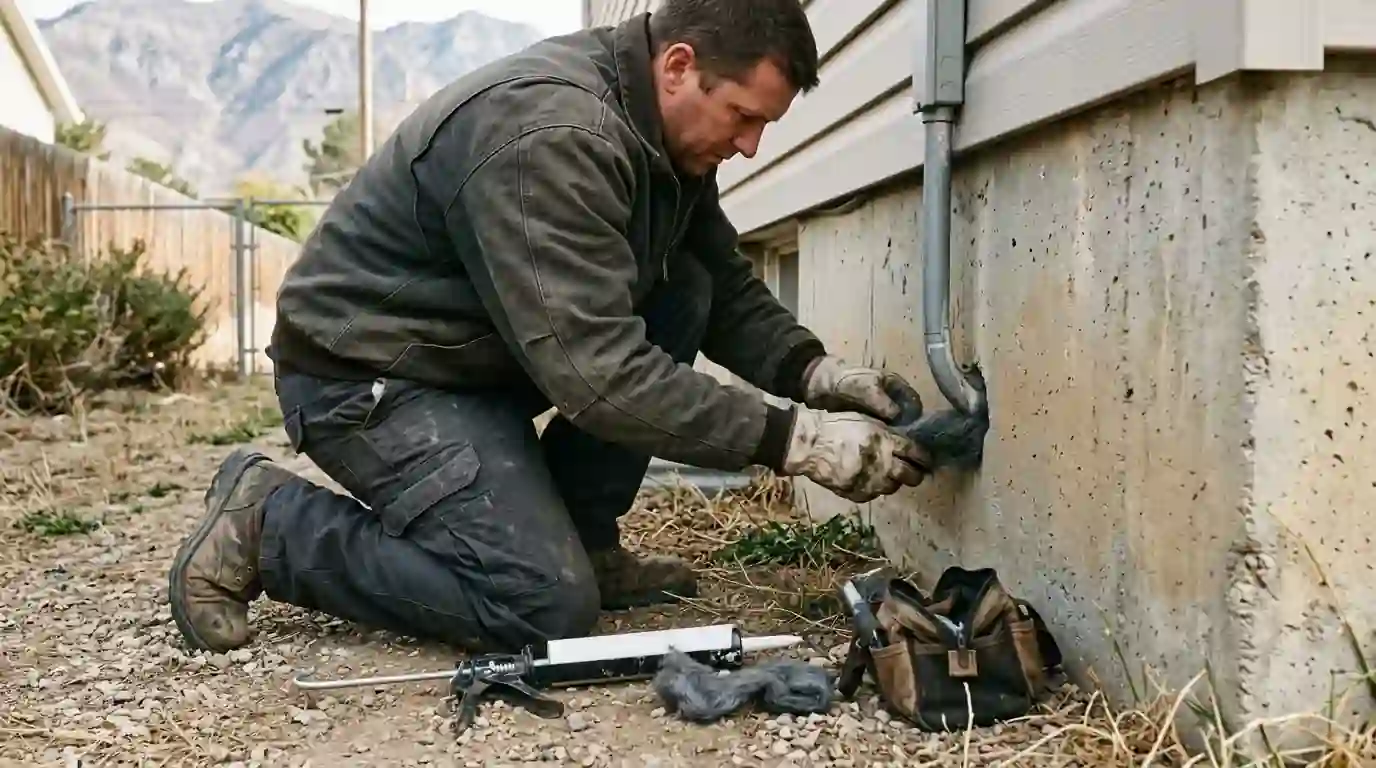
Trapping clears the mice inside. Exclusion keeps the next ones out. We find and seal the gaps rodents use, from the garage door corners to the roofline.
Most active
- Spring
- Summer
- Fall
- Winter
Quick answer
Rodent exclusion finds and seals the gaps mice and rats use to get into the house: garage door corners and bottom seals, gaps around pipes, cables and AC lines, foundation vents, weep holes, and gaps at the roofline and eaves. We use materials rodents can't chew through, and we seal only after trapping shows the rodents inside are gone.
At a glance
- Best for
- Homes with repeat mice or rats
- Materials
- Hardware cloth, metal flashing, sealants and door seals
- Timing
- After trapping shows rodents are gone
- Result
- Fewer ways in for next season's rodents
Overview
Sealing the doors rodents use
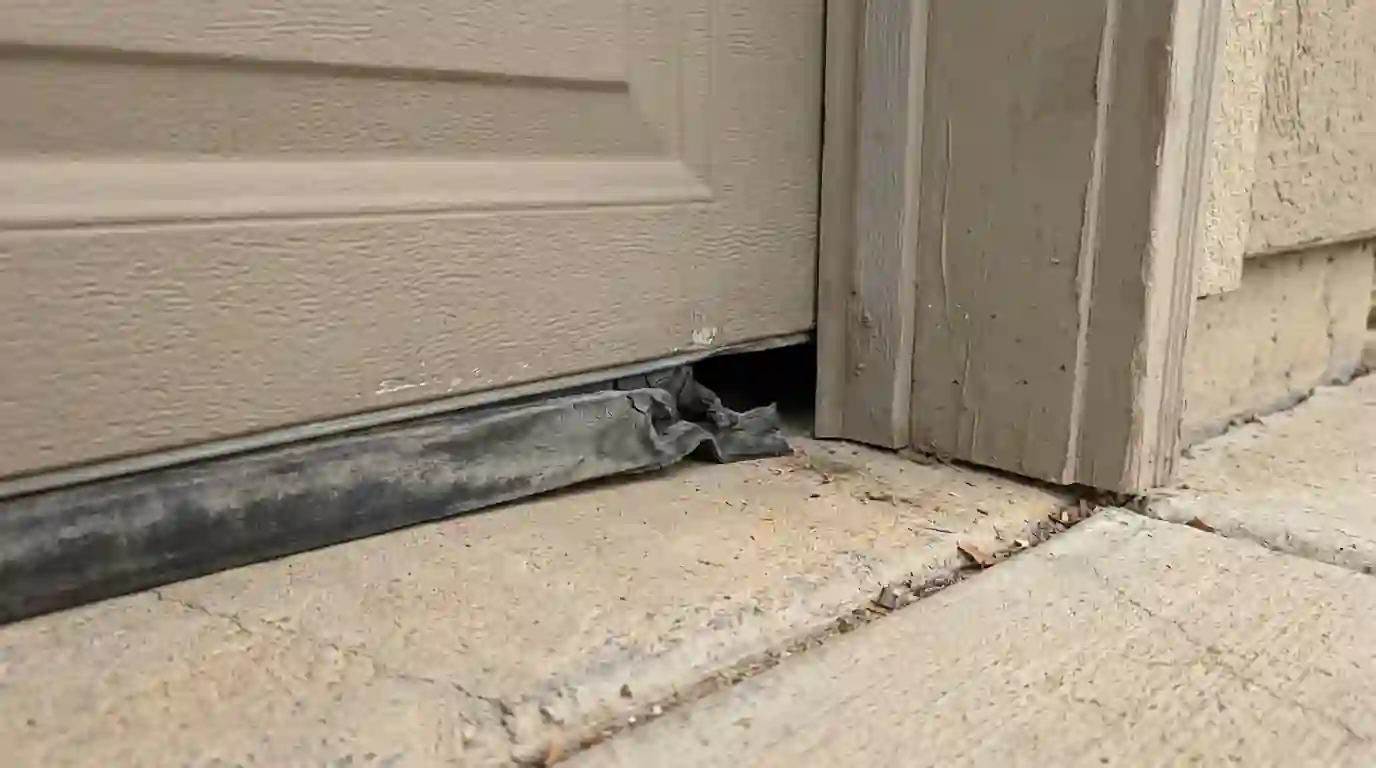
Mice fit through gaps the size of a dime and rats through gaps about the size of a quarter. Most houses have dozens of them: the corners of the garage door, where pipes and cables enter, around AC lines, at crawlspace vents, in weep holes, and where siding meets the roofline.
Exclusion is a careful walk around the whole house, from the foundation to the eaves, finding each gap and closing it with a material that fits: hardware cloth for vents, metal flashing and mesh for larger gaps, sealants with copper or steel mesh for pipe penetrations, and new seals and sweeps for doors.
Timing matters. Sealing before the rodents inside are trapped can leave them stuck in walls, which leads to damage and odors. We trap first, confirm activity has stopped, then seal.
Your options
Exclusion materials
| Gap | Material | Why |
|---|---|---|
| Pipe and cable gaps | Copper or steel mesh with sealant | Rodents can't chew through metal mesh |
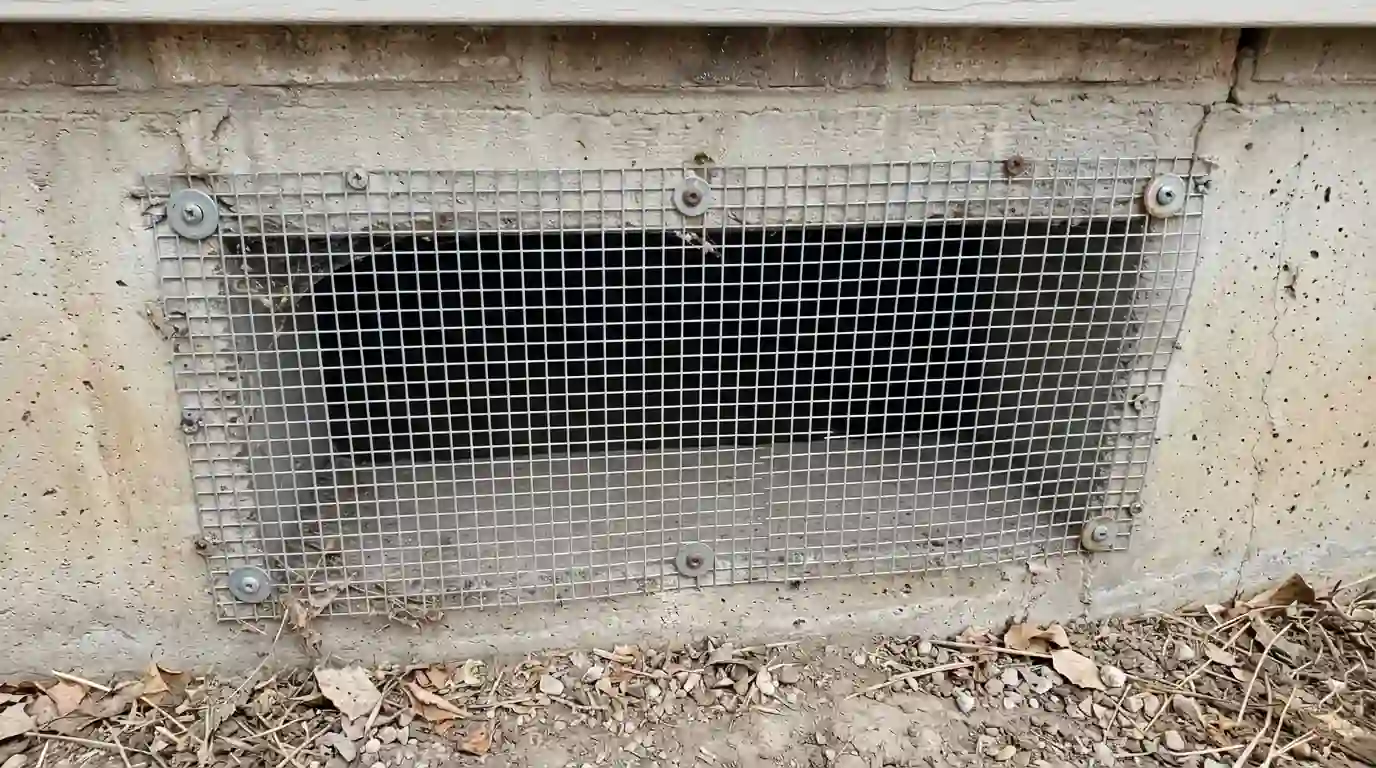
| Crawlspace and foundation vents | Hardware cloth | Keeps airflow while blocking rodents |
| Garage doors | New bottom seals and corner guards | Closes the most common entry point |
| Roofline and eaves | Metal flashing and mesh | Blocks gaps where siding meets the roof |
Cost
What rodent exclusion costs
Exclusion is priced by how many gaps there are and how hard they are to reach.
Number of gaps
Older homes often have more entry points.
Height
Roofline and eave gaps need ladder work.
Materials
Vent screens, door seals and flashing vary in cost.
Crawlspace access
Tight crawlspaces take longer to seal from inside.
Trapping first
Trapping visits before sealing add to the total.
What it covers
What we seal
Garage door seals
Worn bottom seals replaced and corner gaps closed.
Utility and pipe gaps
Gaps around pipes, cables, AC lines and dryer vents sealed with metal mesh.
Foundation vents and weep holes
Crawlspace vents screened and weep holes fitted with rodent-proof inserts.
Roofline and attic gaps
Gaps at eaves, soffits and where siding meets the roof sealed.
Do it yourself?
What you can check
What you can do today
- Look for daylight under and around the garage door.
- Check where pipes and cables enter the house.
- Make sure crawlspace vent screens are intact.
- Keep vegetation trimmed back from the siding and roof.
What to leave alone
- Using spray foam alone, which rodents chew through.
- Sealing gaps while rodents are still inside.
- Blocking crawlspace vents completely without checking ventilation.
- Forgetting the roofline, where mice and rats also get in.
How the visit goes
How exclusion works
Walk the house
Foundation to roofline, finding every gap rodents can use.
Confirm activity
Trapping first if rodents are still inside.
Seal low gaps
Pipes, cables, vents, weep holes and door seals.
Seal high gaps
Eaves, soffits and roofline gaps.
Recheck
A follow-up to make sure nothing new is getting in.
Before we arrive
Before exclusion work
- Make sure trapping has been done if rodents were inside.
- Clear stored items away from garage walls.
- Open access to the crawlspace.
- Unlock gates and side yards.
- Trim shrubs touching the siding if you can.
- Tell us about recent roof or siding work.
- Point out where you've seen rodents or droppings.
- Keep pets inside during the work.
Warning signs
Signs you need exclusion
Sign 01
Mice every fall
Repeat problems mean the entry points are still open.
Sign 02
Light under the garage door
Gaps at the bottom or corners of the garage door.
Sign 03
Gaps around pipes and cables
Openings where utilities enter the house.
Sign 04
Damaged vent screens
Torn or missing screens on crawlspace vents.
Sign 05
Rats in the crawlspace
Rats getting under the house through vents or slabs.
Salt Lake conditions
Why older Salt Lake homes need exclusion
About a quarter of Salt Lake City's homes were built before 1940, and the median home dates to 1965. Decades of settling open gaps around foundations, old utility penetrations and garage doors, and original crawlspace vents often have damaged or missing screens. With the city's average first freeze around October 20, late summer and early fall are the best time to seal, before mice start looking for winter shelter.
Exclusion done in September pays for itself in the calls you don't have to make in November.
Sources: point2homes.com, axios.com
Rodent programs use tamper-resistant stations and bait blocks from product lines like these, placed where children and pets cannot reach them.
- Protecta
- Contrac
- Advion
- Temprid
- Tempo
Timing
How long exclusion takes
- InspectionAbout an hour to walk the house and map gaps.
- SealingMost homes are sealed in one visit, sometimes two.
- RecheckA follow-up visit confirms nothing new is getting in.
- Long termAn annual check catches new gaps as the house settles.

Trap, then seal
Trapping clears the mice inside; sealing keeps the next ones out. One without the other doesn't hold.
Call (801) 516-0135Pipe and cable gaps are sealed with metal mesh rodents can't chew.
FAQ
Rodent exclusion questions from Salt Lake homeowners
Still unsure? (801) 516-0135 is answered around the clock.
Trapping removes the rodents inside; exclusion seals the gaps so new ones can't get in.
Rodents chew through foam. Metal mesh, hardware cloth and flashing hold up.
After trapping shows rodents inside are gone, ideally in late summer or early fall.
Only if done too early. That's why we trap first.
Yes. Mice and rats also get in at eaves, soffits and roofline gaps.
It removes the known entry points. Houses settle, so an annual check is a good idea.
Yes, with hardware cloth that keeps airflow while blocking rodents.
Related services
More from mice, rats & lawn rodents
From the Pest Library: Mice and the first freeze: sealing a Salt Lake home in October
Talk to us
Tired of mice every fall?
Call now to have the gaps found and sealed. A real person answers any hour.
Homes, rentals and businesses across Salt Lake, Davis, Weber, Box Elder, Morgan, Tooele and Utah counties.
