Termites & wood destroyers
Termite inspection in Salt Lake City, UT
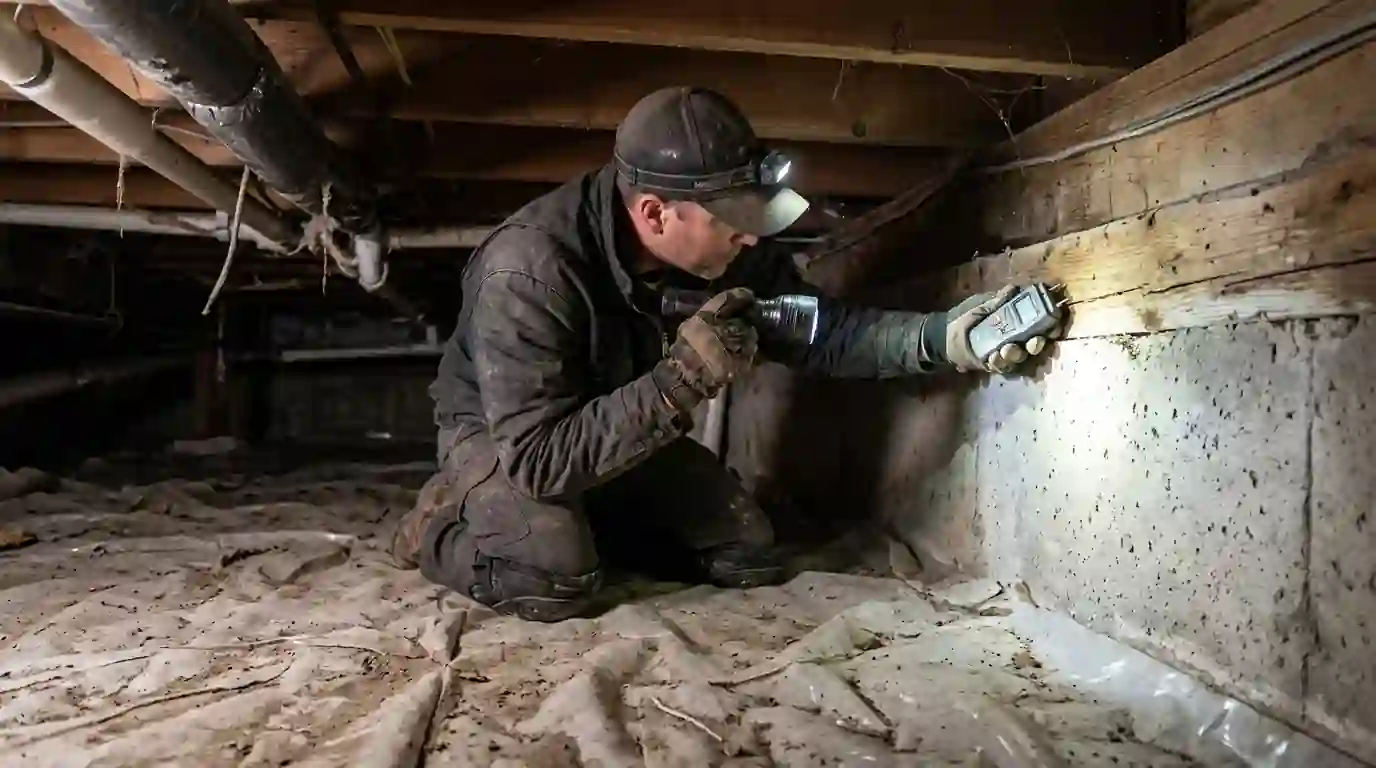
Subterranean termites can work unseen for years. An inspection of the foundation, crawlspace, garage and basement is how you find them before the damage shows.
Most active
- Spring
- Summer
- Fall
- Winter
Quick answer
A termite inspection in Salt Lake City looks for the signs subterranean termites leave: mud tubes on foundations and piers, damaged wood at the sill plate, blistered trim, swarmer wings on windowsills and moisture that invites them. We check the crawlspace, basement, garage, porches and anywhere wood touches soil, then tell you what we found and whether treatment is needed.
At a glance
- Best for
- Annual checks, home purchases and suspected swarmers
- Visit length
- About an hour for most homes
- What we check
- Foundation, crawlspace, basement, garage, porches and wood near soil
- Result
- A clear written summary of what we found
Overview
What a termite inspection covers
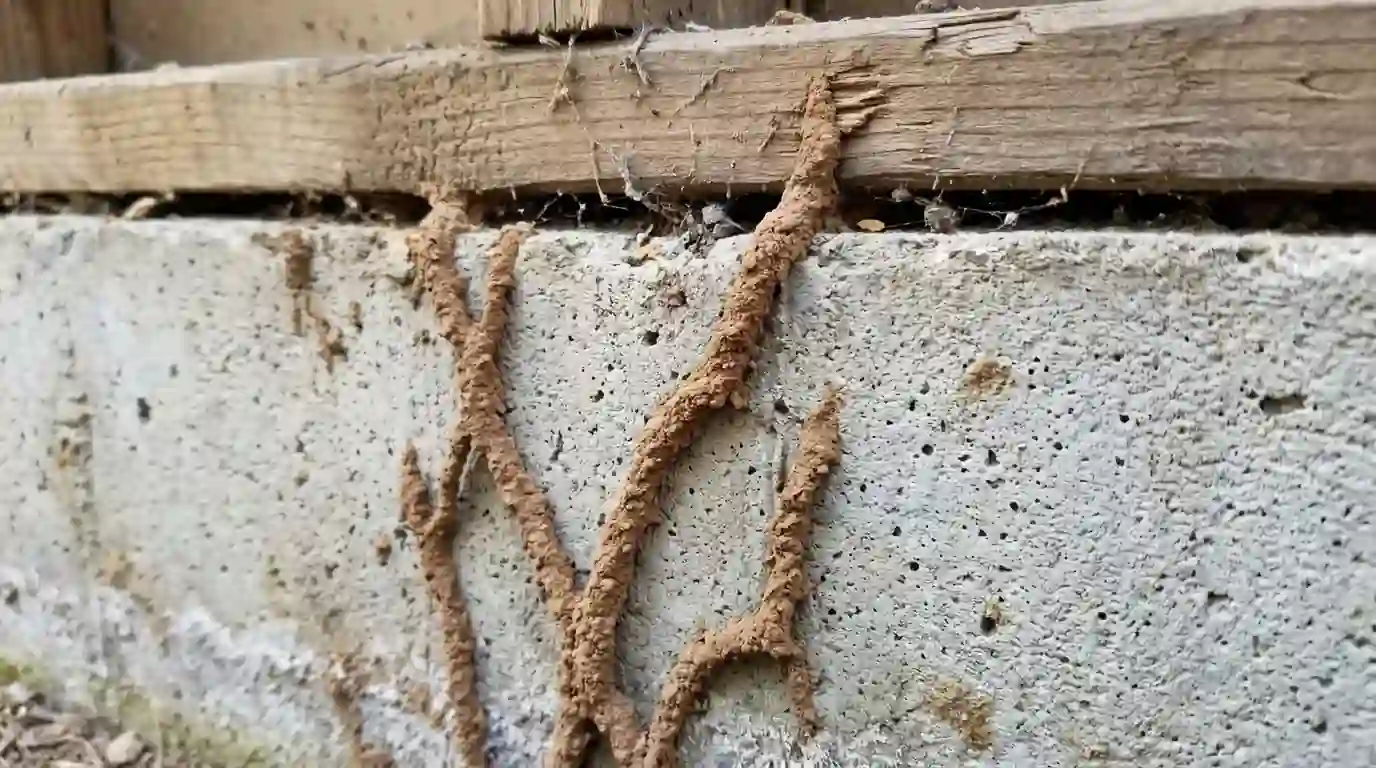
Subterranean termites live in the soil and need moisture. To reach wood above ground, they build pencil-width mud tubes up foundation walls, piers and pipes. Those tubes, and the wood damage behind them, are what an inspection is looking for.
We start outside with the foundation line, porches, decks, stucco that reaches the soil and any wood in contact with the ground. Inside, the crawlspace or basement gets the closest look: sill plates, joists, piers, plumbing penetrations and anywhere moisture collects. The garage and attached structures are checked too.
You get a plain summary of what we found: active termites, old damage, conducive conditions like wood-to-soil contact or moisture, or nothing at all. If treatment is needed, we explain the options.
What it covers
Inspection types
Annual termite inspection
A yearly check of the foundation, crawlspace and wood near soil to catch activity early.
Real estate termite inspection
An inspection for buyers or sellers ahead of a home sale.
Swarmer identification
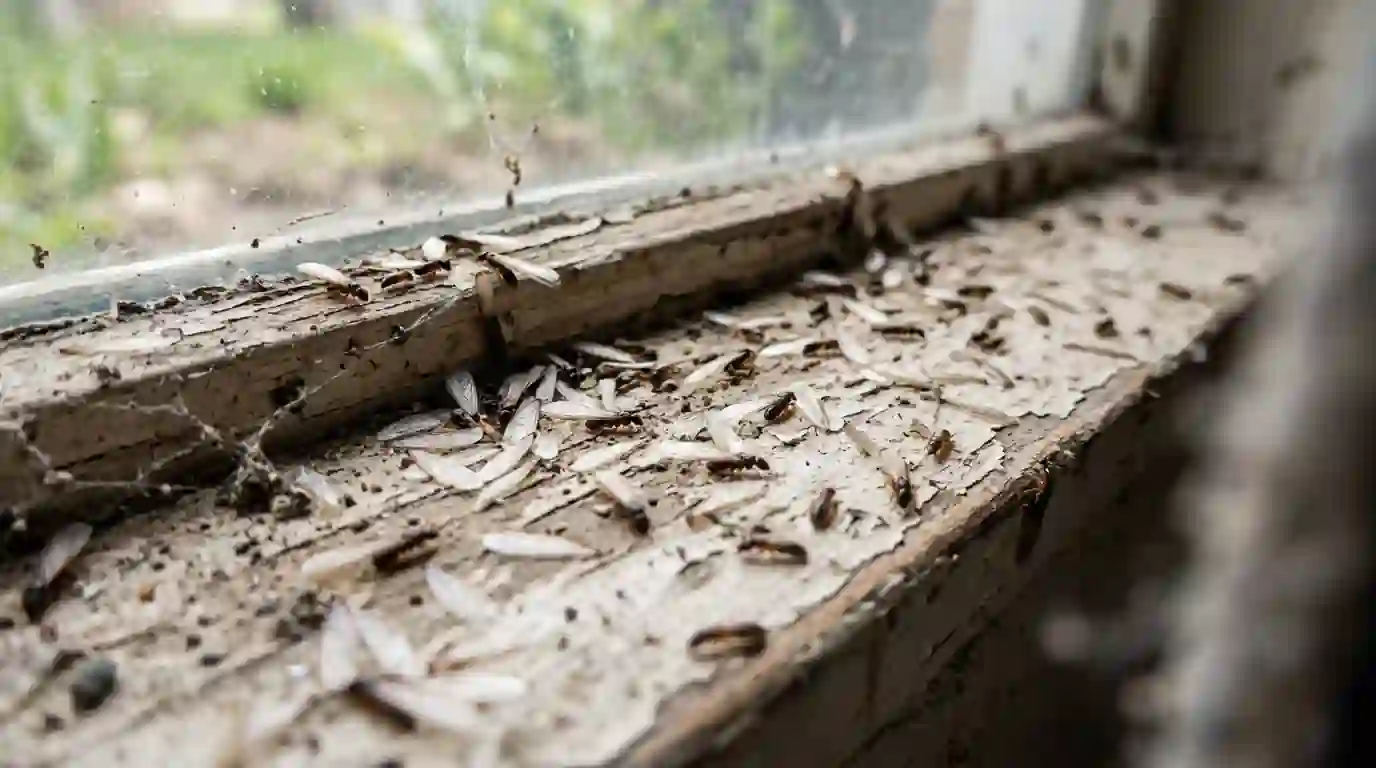
Confirming whether winged insects indoors are termites or flying ants.
Mud tube checks
Checking foundations, piers and pipes for tubes, and whether they're active.
Before we arrive
Before your termite inspection
- Clear access to the crawlspace entrance.
- Move stored items away from basement and garage walls.
- Unlock gates and sheds.
- Save any winged insects you've found in a sealed bag.
- Point out soft wood, blistered paint or damaged trim.
- Tell us about past termite treatments.
- Tell us about leaks or moisture problems.
- Keep pets away from the crawlspace entrance.
How the visit goes
How the inspection goes
Walk the exterior
Foundation, porches, decks, stucco at grade and wood touching soil.
Check the crawlspace or basement
Sill plates, joists, piers, plumbing and moisture.
Probe suspect wood
Soft or hollow-sounding wood is checked for galleries and mud.
Identify samples
Swarmers, wings or insects you've saved are identified.
Report
What we found, conducive conditions and any treatment options.
Salt Lake conditions
Termites in Utah
Three kinds of termites occur in Utah: dampwood, drywood and subterranean, and the subterranean kind is the one behind most home damage. They need wood-to-soil contact and build mud tubes, an infestation can go unnoticed for one to eight years, and most homeowners notice them first when winged swarmers appear in spring. USU's diagnostic lab has identified western subterranean termites inside a home as far north as Box Elder County, so northern Utah isn't out of reach.
Spring swarms are the most common trigger for an inspection, but an annual check catches activity before swarmers ever appear.
Sources: extension.usu.edu, extension.usu.edu, extension.usu.edu
Warning signs
Signs you need a termite inspection
Sign 01
Winged swarmers in spring
Swarms of winged insects near windows or doors, often with piles of shed wings.
Sign 02
Mud tubes on the foundation
Pencil-width dirt tubes on concrete, piers or pipes.
Sign 03
Soft or damaged wood
Wood that sounds hollow, blisters or crumbles near the foundation.
Sign 04
Moisture near the foundation
Leaks, poor drainage or damp crawlspaces attract termites.
Sign 05
Buying or selling a home
An inspection before closing avoids surprises.
Your options
Inspection options
| Inspection | When it fits | What you get |
|---|---|---|
| Annual inspection | Every year, especially older homes | Early detection and a record of checks |
| Real estate inspection | Buying or selling | A clear picture before closing |
| Swarmer identification | Winged insects indoors | An answer on termite or ant |
| Follow-up inspection | After treatment | Confirmation that activity has stopped |
Cost
What a termite inspection costs
Inspections are priced by the size and layout of the home.
Home size
Larger homes and additions take longer to inspect.
Crawlspace access
Tight or cluttered crawlspaces slow the inspection.
Outbuildings
Detached garages, sheds and decks add to the job.
Purpose
Real estate inspections may need specific reporting.
Follow-up
Inspections after treatment confirm the result.
Do it yourself?
What you can check yourself
What you can do today
- Look along the foundation for mud tubes once a year.
- Keep firewood, lumber and mulch away from the foundation.
- Fix leaks and keep downspouts draining away from the house.
- Save any winged insects you find for identification.
What to leave alone
- Breaking open mud tubes and assuming the termites are gone.
- Spraying swarmers and ignoring the colony below.
- Letting wood trim or siding touch the soil.
- Waiting for visible damage before having an inspection.
Timing
Timing
- The inspectionAbout an hour for most homes.
- The summaryResults explained on the spot, in plain language.
- If termites are foundTreatment options explained and scheduled.
- Every yearAn annual inspection keeps a record and catches activity early.
Years of damage, found in an hour
Termites work quietly inside the wood. A yearly inspection is how you find them before the damage shows.
Call (801) 516-0135Crawlspaces and sill plates are where termite activity usually starts.
Termite work uses liquid soil treatments and bait systems from product lines like these.
- Termidor
- Sentricon
- Trelona
- Temprid
- Alpine WSG
FAQ
Termite inspection questions from Salt Lake homeowners
Still unsure? (801) 516-0135 is answered around the clock.
Once a year is a good rule, and whenever you see swarmers or mud tubes.
Yes. Three types occur in Utah, and subterranean termites cause most home damage.
Termites have straight waists, straight antennae and equal wings; ants have pinched waists, bent antennae and unequal wings. Save one and we'll identify it.
We explain what we found and the treatment options, liquid soil treatment or bait stations, before anything is scheduled.
Yes. A pre-purchase inspection gives you a clear picture before closing.
Yes, crawlspaces get the closest look because that's where activity usually starts.
About an hour for most homes, longer for large homes or tight crawlspaces.
Related services
More from termites & wood destroyers
From the Pest Library: Termite swarmers or flying ants? A spring identification guide
Talk to us
Seen swarmers or mud tubes?
Call now to book a termite inspection. A real person answers any hour.
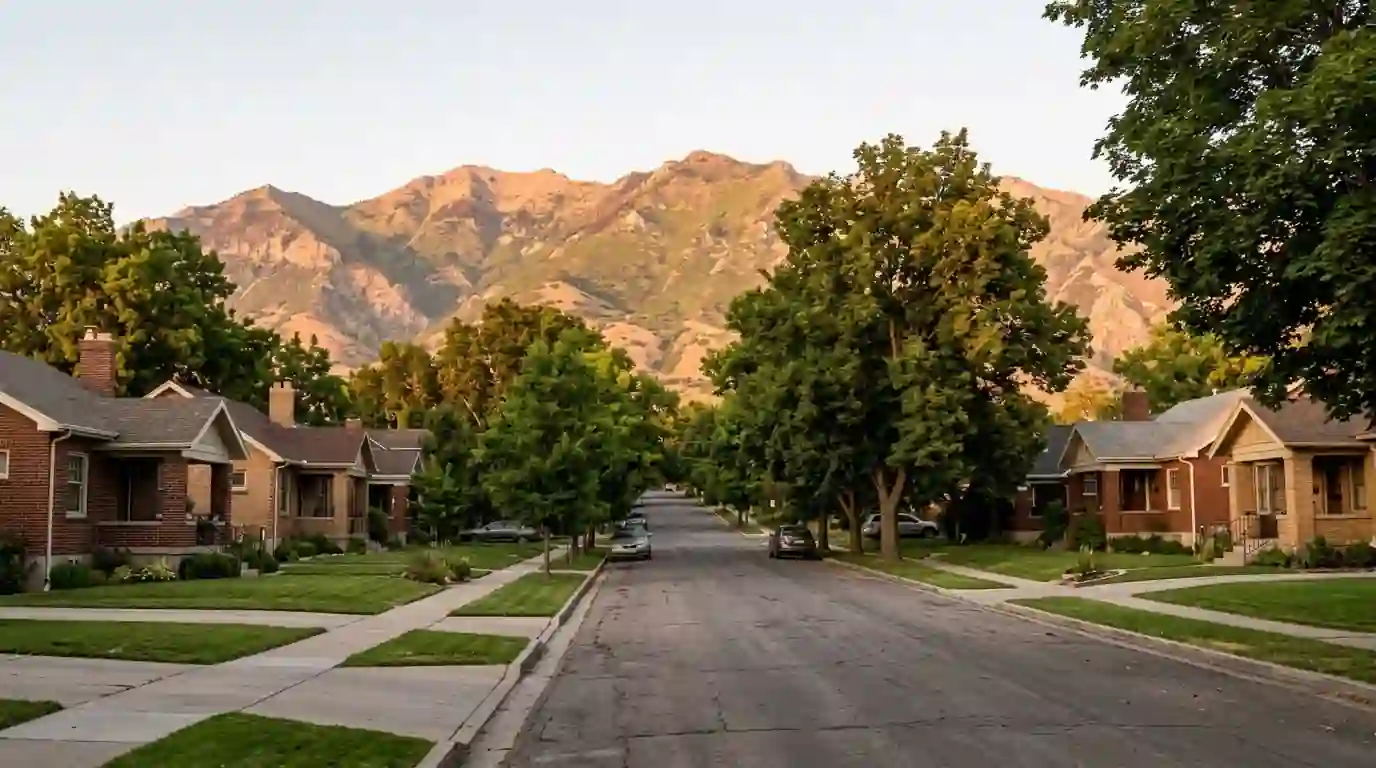
Homes, rentals and businesses across Salt Lake, Davis, Weber, Box Elder, Morgan, Tooele and Utah counties.
