Spiders, ants & crawling insects
Centipede and millipede control in Salt Lake City, UT
A house centipede racing across the bathroom floor, millipedes curled on the basement carpet after the sprinklers run. These are moisture pests, and the fix starts at the foundation.
Most active
- Spring
- Summer
- Fall
- Winter
Quick answer
Centipedes, millipedes, crickets, pill bugs and sowbugs all follow moisture. They live in damp soil, mulch and leaf litter along the foundation and wander into basements, garages and bathrooms through gaps at the sill and under doors. Control means a foundation treatment, sealing the gaps they use and fixing the wet spots that keep them close to the house.
At a glance
- Best for
- Centipedes, millipedes, crickets and pill bugs in basements and garages
- Root cause
- Moisture and gaps along the foundation
- Visit length
- About an hour for most homes
- Most active
- Spring through fall, and when nights turn cold
Overview
Why these pests end up in the basement
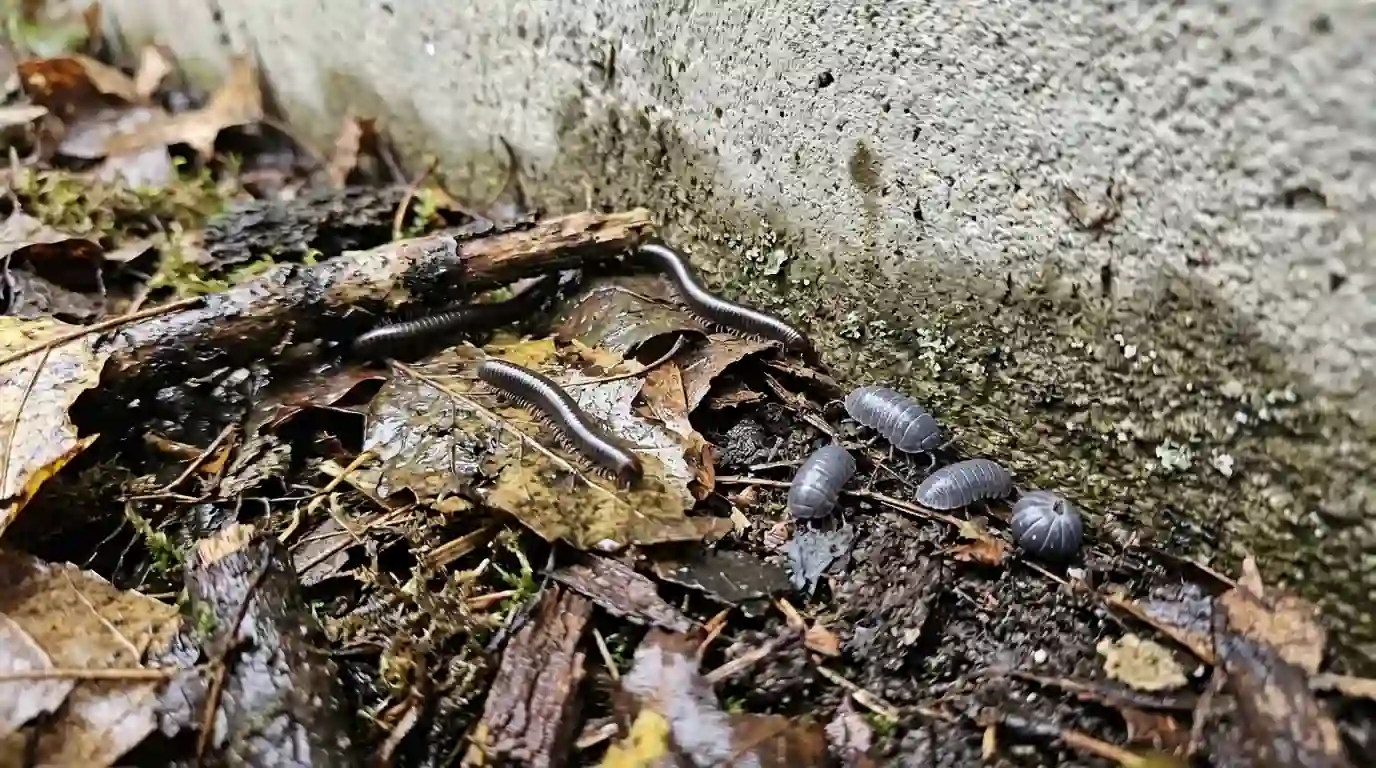
Millipedes, pill bugs and sowbugs feed on decaying plant matter and need moisture to survive. After heavy irrigation or a wet spell they migrate, and a foundation soaked by sprinklers puts them right at the sill plate and the gap under the basement door.
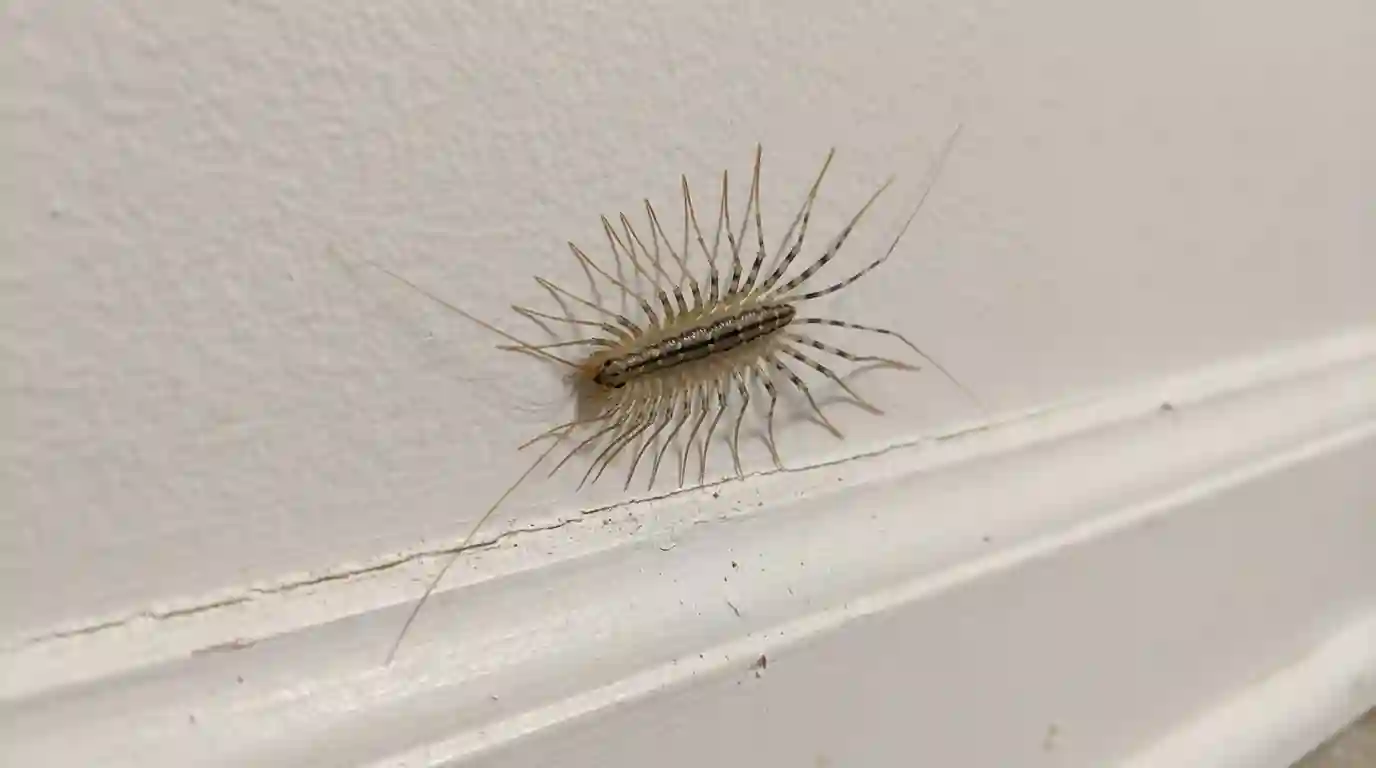
House centipedes and crickets are different: they hunt or scavenge, and they settle into basements, bathrooms and crawlspaces where other insects are. Seeing house centipedes often means there's a steady supply of spiders, silverfish or other small insects for them to eat.
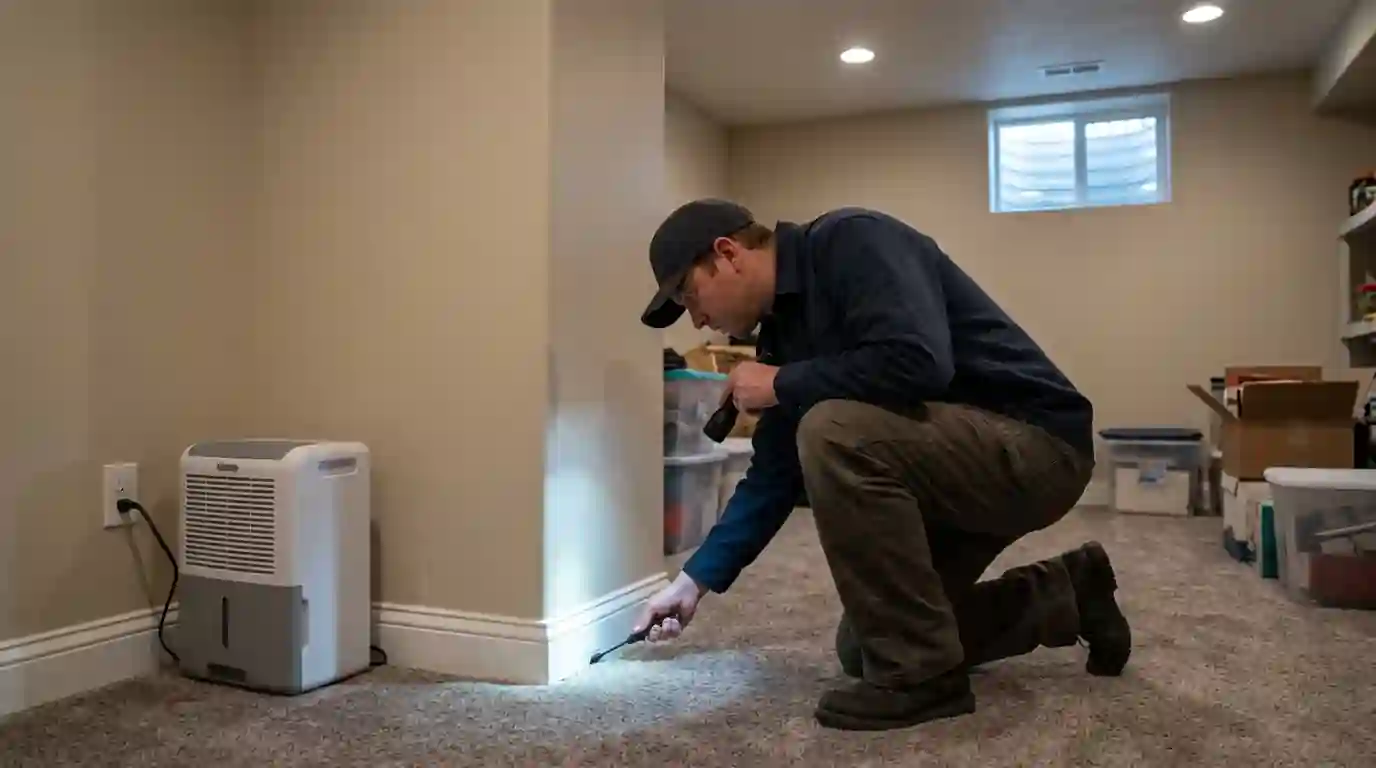
Treatment works on both. We treat the foundation line and the entry points where these pests cross, deal with the damp shelter against the house, and treat basements and garages where they're turning up. Reducing moisture inside, with a dehumidifier in a damp basement, keeps the results going.
Your options
Options for moisture pests
| Option | Best for | How it works | Trade-off |
|---|---|---|---|
| Foundation treatment | Millipedes, pill bugs and crickets coming in | A residual band where they cross into the house | Heavy irrigation wears it down |
| Interior treatment | House centipedes and crickets in basements | Cracks, baseboards and utility areas where they shelter | Works best with the prey insects handled too |
| Moisture and sealing fixes | Every case | Drier edges, sealed sill gaps and door sweeps | Some fixes are on your side of the job |
Cost
What moisture pest control costs
Usually priced like a general inside-and-out treatment.
Published range
A general exterminator visit typically runs about $100 to $260. Source: angi.com, checked September 2026.
Basement size and finish
Finished basements with storage rooms take longer to inspect and treat.
Crawlspaces
Damp crawlspaces often need treatment and a look at moisture.
Yard moisture
Irrigation that soaks the foundation keeps the problem going.
Which pests
Crickets and centipedes indoors add interior work to the exterior treatment.
Sealing work
Gaps at sills, doors and utility lines add time.
What it covers
The moisture pests we handle
House centipedes
The fast, long-legged hunters that appear in bathrooms and basements, handled along with the insects they feed on.
Millipedes after irrigation
Migrations of millipedes onto patios, garage floors and basement carpet after watering or rain.
Crickets in basements
Camel crickets and field crickets settling into basements, garages and window wells.
Pill bugs and sowbugs
Roly-polies and sowbugs coming in under doors from damp mulch and leaf litter.
Do it yourself?
What you can change
What you can do today
- Run a dehumidifier in a damp basement.
- Adjust sprinklers so they don't soak the foundation or run every night.
- Rake leaves and thick mulch back from the siding.
- Add door sweeps on basement and garage doors.
What to leave alone
- Leaving wet cardboard boxes on basement floors.
- Stacking firewood, stones or boards against the house.
- Letting downspouts drain right at the foundation.
- Sweeping millipedes into piles indoors, which leaves stains; vacuum them instead.
How the visit goes
How the visit goes
Find the moisture
Sprinkler lines, downspouts, damp beds, window wells and basement humidity.
Check entry points
Sill gaps, door sweeps, basement windows and utility lines.
Treat the foundation
A residual band where these pests cross into the house.
Treat inside
Basements, garages, bathrooms and crawlspaces where they're turning up.
Advise
Moisture and sealing fixes that stop the next migration.
Before we arrive
Before we arrive
- Turn off sprinklers the day before and the morning of the visit.
- Move boxes off basement floors and walls.
- Clear the garage edges where you can.
- Show us where you've seen them and which kind.
- Open access to crawlspaces and utility rooms.
- Keep pets inside until treated areas dry.
- Point out leaks, wet spots and downspouts that drain at the house.
- Unlock side gates.
Warning signs
Signs moisture pests have moved in
Sign 01
House centipedes in bathrooms
Regular sightings mean there's damp shelter and insects for them to eat.
Sign 02
Millipedes on floors after watering
Curled millipedes on basement carpet or garage floors follow irrigation and rain.
Sign 03
Crickets in the basement
Crickets chirping or hopping in storage rooms have found damp, quiet shelter.
Sign 04
Pill bugs under doors
Roly-polies inside the door point to damp mulch and a worn door sweep.
Sign 05
Musty smell or damp walls
Basement moisture keeps every one of these pests close.
Salt Lake conditions
Salt Lake basements and the fall move indoors
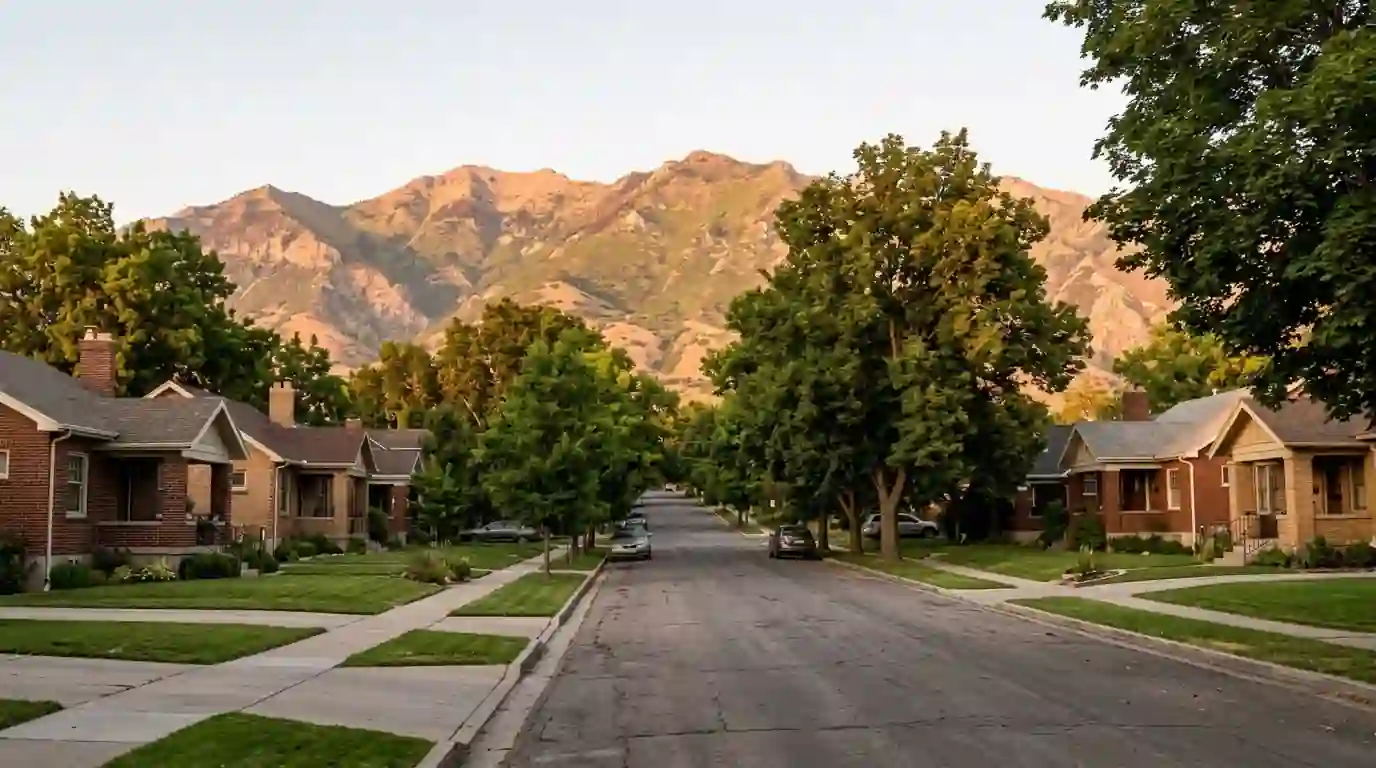
Salt Lake City's housing is older than many people expect: the median home was built in 1965 and about a quarter predate 1940, so plenty of basements have settled sill plates, old window wells and gaps around utility lines. Crickets, centipedes and other moisture pests use those gaps, especially as nights cool toward the city's average first freeze around October 20. Summer irrigation adds to it, keeping foundation soil damp right where these pests live.
A drier foundation line and a dehumidifier in the basement often do as much as the treatment itself.
Sources: point2homes.com, axios.com
For spiders, ants and other crawling insects we choose from product lines like these, matched to the pest and where it hides.
- Demand CS
- Suspend PolyZone
- Temprid
- Tempo
- Alpine WSG
- Advion
- Maxforce
- Gentrol
Timing
How long it takes to see results
- First few daysPests crossing the treated foundation die off.
- First two weeksIndoor sightings drop, especially once moisture is reduced.
- A monthHouse centipedes decline as the insects they feed on decline.
- Next seasonIrrigation and weather wear treatments down, so a seasonal visit helps.
Dry edges keep them out
Moisture along the foundation is the common thread for millipedes, pill bugs, crickets and centipedes.
Call (801) 516-0135Sprinkler lines along the foundation keep moisture pests close to the house.
FAQ
Centipede & millipede control questions from Salt Lake homeowners
Still unsure? (801) 516-0135 is answered around the clock.
They can bite if handled but rarely do, and they aren't a danger to people. They're a sign of damp shelter and other insects in the house.
Millipedes need moisture and migrate when soil is saturated, which puts them at the foundation and under doors.
No. They feed on decaying plant matter. The problem is numbers and the stains they leave when crushed.
Treat the foundation and basement, seal gaps at sills and doors, and reduce moisture. Crickets need damp, quiet shelter.
They're harmless but a sign of damp mulch and leaf litter against the house and gaps under doors.
Yes. Lower humidity in the basement makes it far less attractive to centipedes, crickets and silverfish.
Homes with damp basements or heavy irrigation often see them every year, which a quarterly plan covers.
Related services
More from spiders, ants & crawling insects
From the Pest Library: Window wells: the Salt Lake basement's pest doorway
Talk to us
Centipedes and crickets in the basement?
Call now to get the foundation and basement treated. A real person answers any hour.
Homes, rentals and businesses across Salt Lake, Davis, Weber, Box Elder, Morgan, Tooele and Utah counties.
