Mice, rats & lawn rodents
Vole control in Salt Lake City, UT
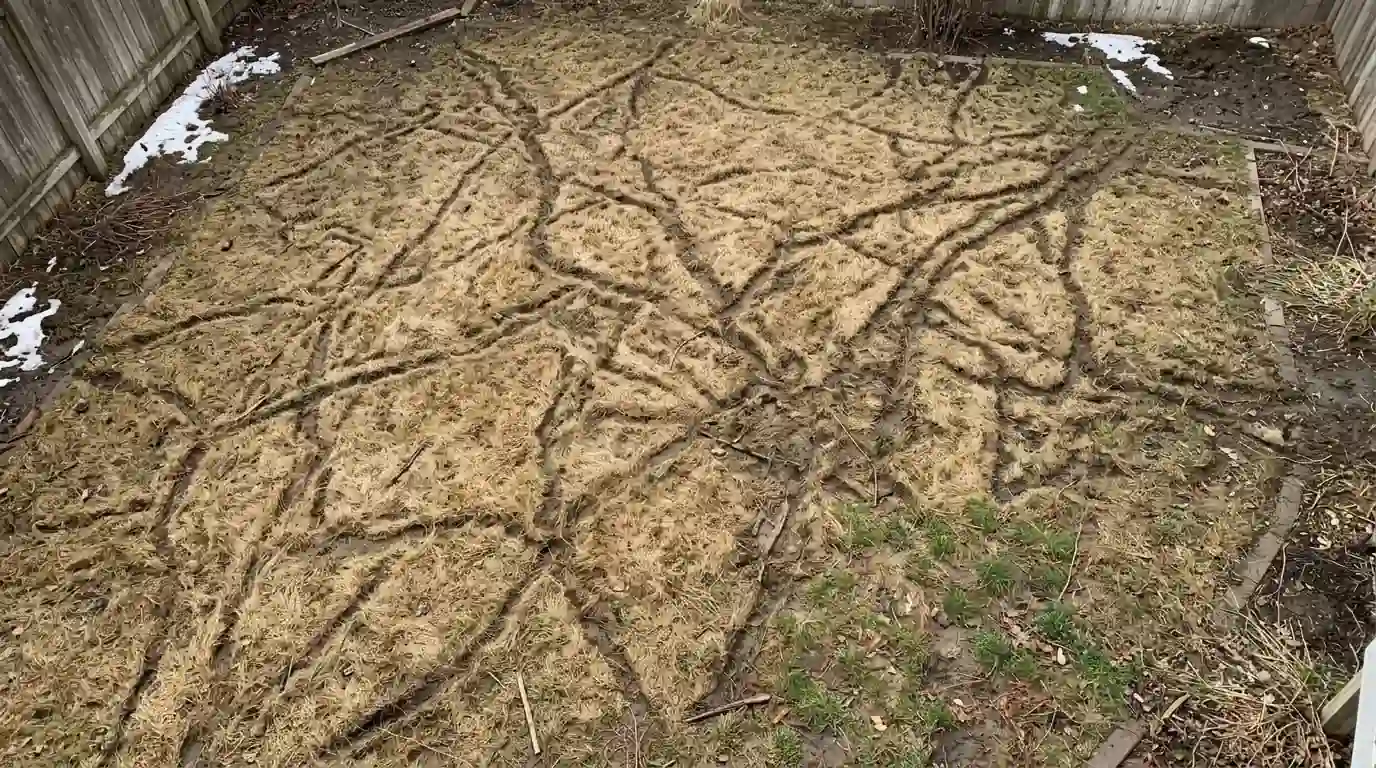
The snow melts and the lawn is crisscrossed with trails of dead grass. Voles spend the winter tunneling under the snow, and the damage shows up all at once in spring.
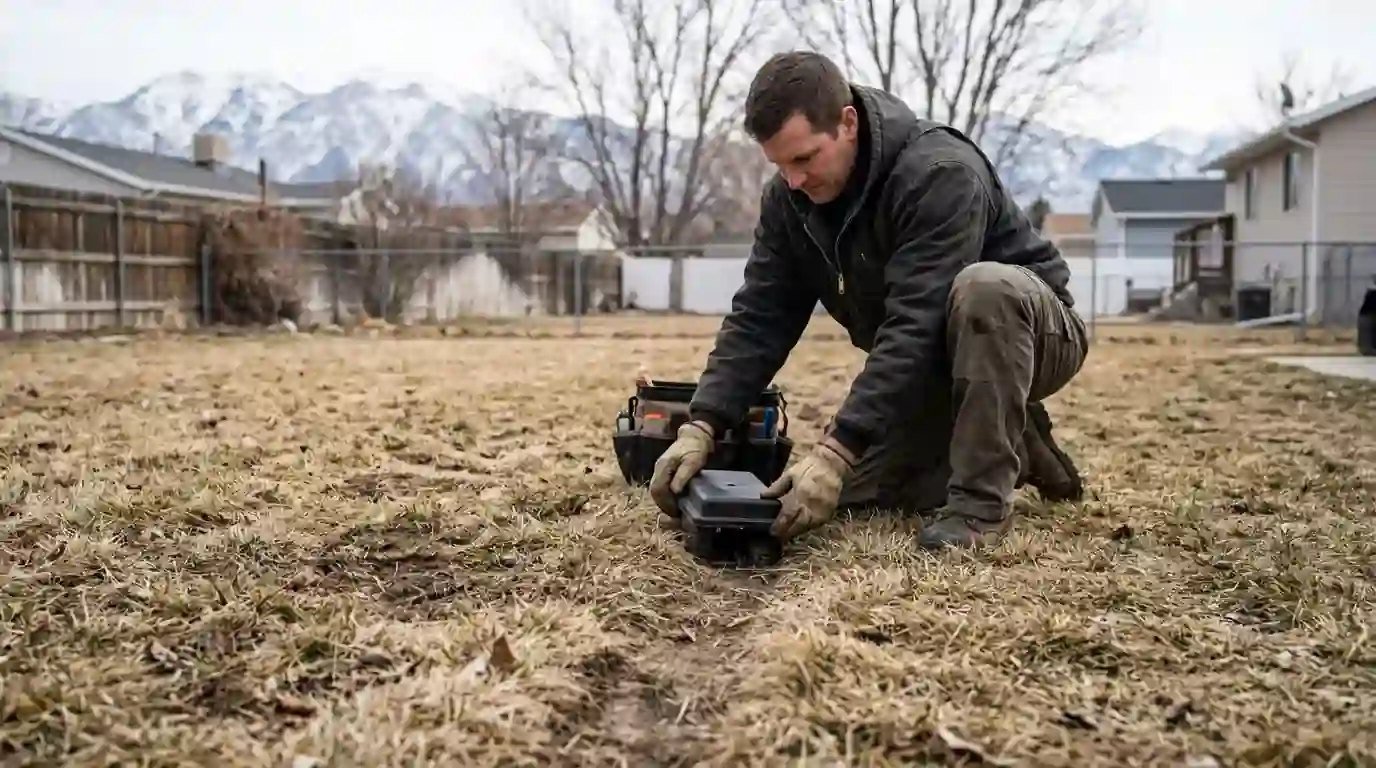
Most active
- Spring
- Summer
- Fall
- Winter
Quick answer
Voles are small, stocky rodents that tunnel through grass under snow cover all winter, leaving runways one to two inches wide and chewing the bark off young trees and shrubs. The damage shows at snowmelt. Control means trapping and baiting in active runways, using covered stations to protect pets and birds, and doing it in fall before the snow so the population is down before winter.
At a glance
- Best for
- Lawn runways, girdled trees and shrubs, damaged beds
- When damage shows
- At snowmelt in spring
- Best time to act
- Fall, before snow cover
- How it works
- Bait stations and trapping in active runways
Warning signs
Signs of voles
Sign 01
Runways in the lawn
Trails of matted or dead grass one to two inches wide, often appearing at snowmelt.
Sign 02
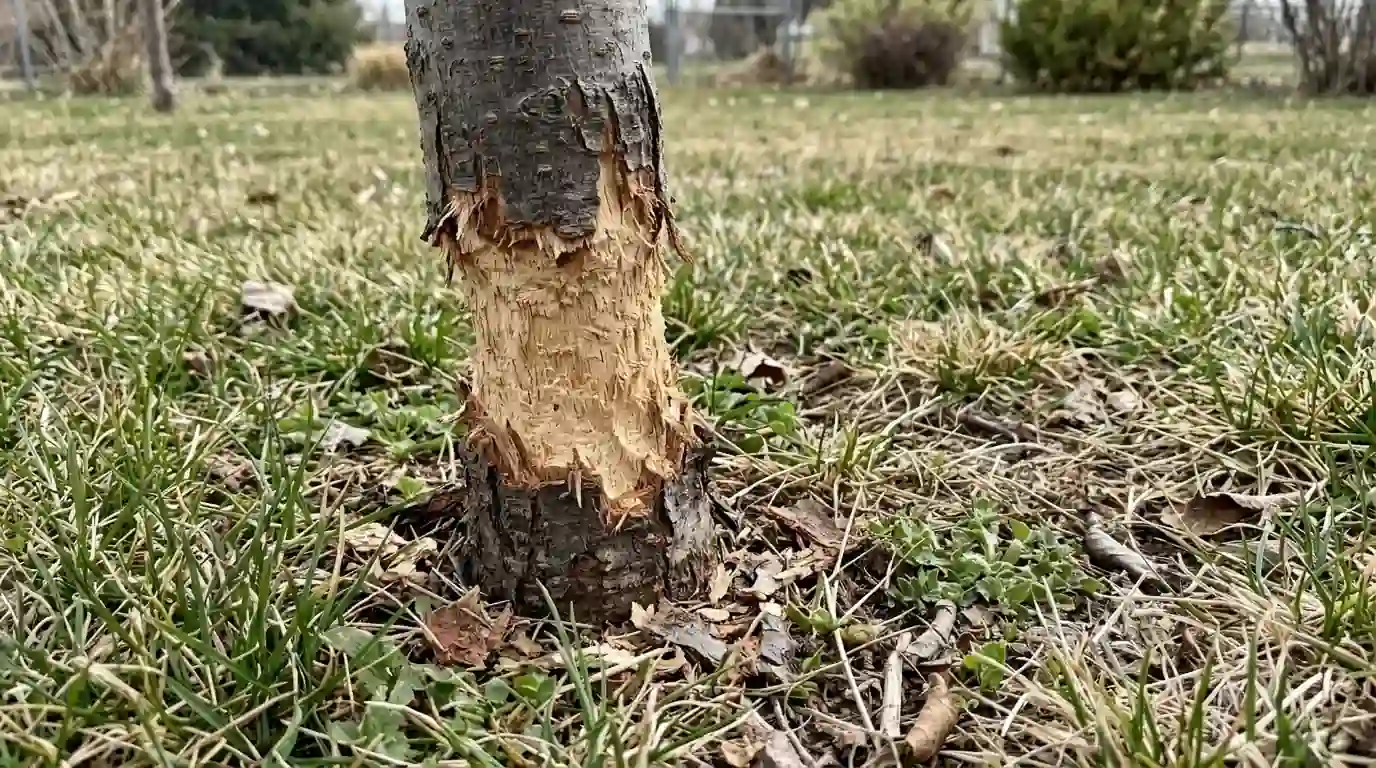
Chewed bark at the base of trees
Bark gnawed away near the ground, sometimes all the way around.
Sign 03
Damaged shrubs and bulbs
Shrubs, perennials and bulbs chewed at the base or roots.
Sign 04
Small burrow openings
Holes about the size of a golf ball along runways.
Sign 05
Worse every few years
Vole numbers rise and fall in multi-year cycles.
Overview
Why the damage shows up all at once
Voles look like short-tailed mice and live in grass, ground cover and mulch. In winter, snow cover protects them from predators, and they tunnel through the grass beneath it, feeding on grass, roots and the bark of young trees and shrubs.
When the snow melts, all of that winter activity appears at once: runways across the lawn, chewed-up beds and trees girdled at the base. Lawns usually recover; girdled trees may not.
The best control happens in fall, before snow cover, when bait stations and traps in active runways bring numbers down ahead of winter. Spring work focuses on the survivors and protecting trees.
How the visit goes
How vole control goes
Find active runways
Look for fresh clippings, droppings and open burrows.
Place covered stations
Tamper-resistant stations in runways, protecting pets and birds.
Trap in runways
Covered snap traps set across active runways.
Protect trees
Guards for young trees and shrubs at risk of girdling.
Check and repeat
Follow-up checks, and a fall visit before snow.
What it covers
Vole services
Lawn runways after snowmelt
Spring treatment of active runways and a plan for lawn recovery.
Tree and shrub girdling
Protecting young trees and shrubs, and treating nearby runways.
Fall bait stations
Stations placed before snow cover to bring numbers down for winter.
Snap traps in runways
Covered traps set across active runways.
Salt Lake conditions
Voles and Utah winters
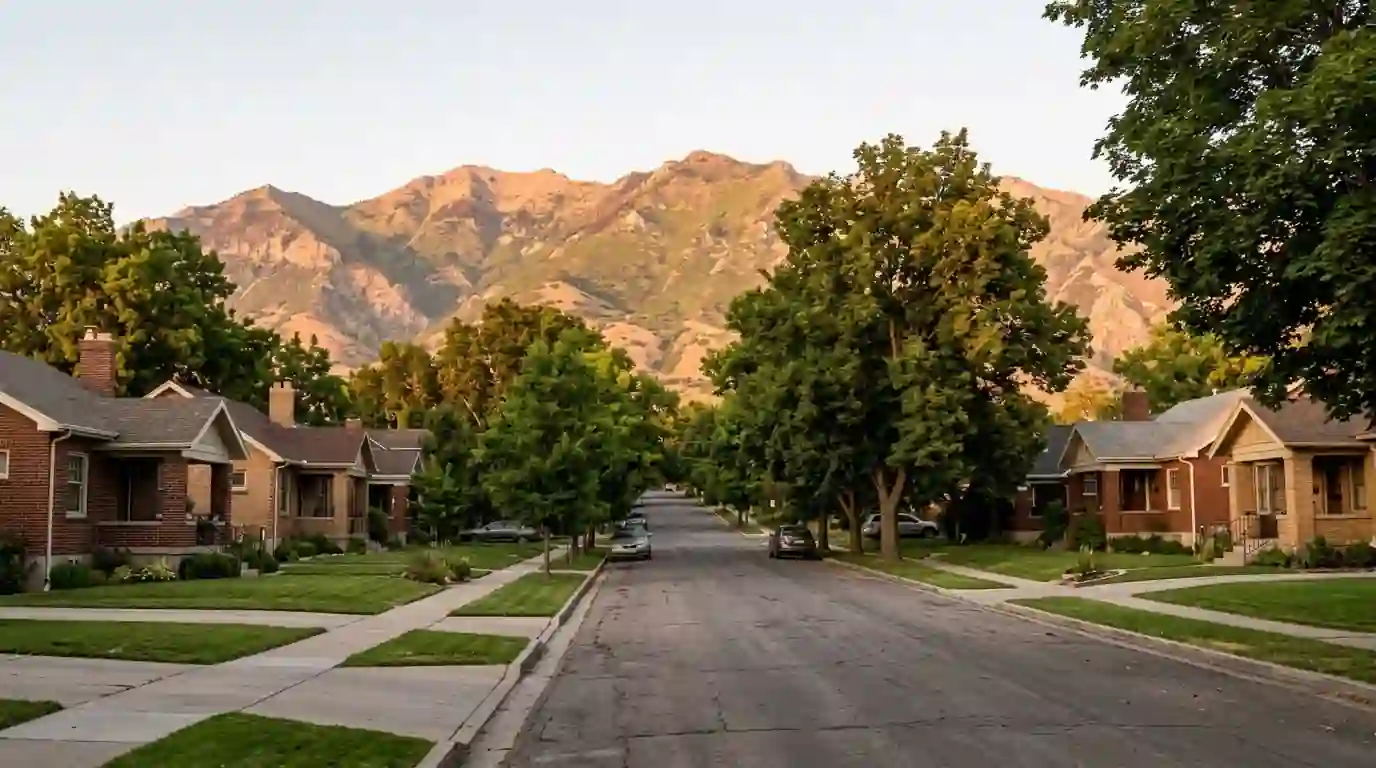
Voles tunnel under snow cover all winter in Utah, and their runways, one to two inches wide, and girdled trees show up when the snow melts. USU Extension reported voles showing up throughout Utah as the record 2023 snowpack melted, and populations tend to peak every two to five years. A heavy winter and a peak year together can leave a lawn looking plowed by April.
Fall treatment, before the first lasting snow, is the most effective time to get ahead of them.
Sources: extension.usu.edu, extension.usu.edu
Timing
How long vole control takes
- First weekTraps and stations start reducing activity in runways.
- Two to four weeksFresh activity drops; stations are checked and refilled.
- Lawn recoveryMost lawns fill back in with watering and a few weeks of growth.
- Next fallA pre-snow visit keeps numbers down through winter.
Your options
Vole control options
| Option | Best for | Trade-off |
|---|---|---|
| Covered bait stations | Larger yards and fall treatment | Needs placement away from pets and birds |
| Runway trapping | Smaller lawns and spring cleanup | Needs regular checking |
| Tree guards | Young trees and shrubs | Protects plants but doesn't reduce voles |
| Habitat changes | Long-term prevention | Mowing and mulch changes on your side |
Do it yourself?
What helps with voles
What you can do today
- Mow the lawn short going into winter.
- Pull mulch back from tree trunks.
- Put hardware cloth guards around young trees.
- Rake runways in spring so the grass can recover.
What to leave alone
- Leaving tall grass and thick ground cover next to beds.
- Piling mulch against tree trunks.
- Using loose bait where pets and birds can reach it.
- Waiting until spring to start control.
Before we arrive
Before we arrive
- Don't rake the runways yet so we can find active ones.
- Point out damaged trees and shrubs.
- Unlock gates to the yard.
- Keep pets inside during the visit.
- Tell us about bird feeders in the yard.
- Mark sprinkler heads in the lawn.
- Tell us about gardens and beds you want protected.
- Note any areas with heavy damage.
Rodent programs use tamper-resistant stations and bait blocks from product lines like these, placed where children and pets cannot reach them.
- Protecta
- Contrac
- Advion
- Temprid
- Tempo
Cost
What vole control costs
Priced by yard size and how many visits are needed.
Published range
A general exterminator visit typically runs about $100 to $260. Source: angi.com, checked September 2026.
Yard size
Larger lawns and more beds mean more stations and traps.
Number of visits
Checks and refills over several weeks.
Tree protection
Guards for young trees add to the job.
Season
Fall prevention and spring cleanup may be separate visits.
Population cycle
Peak years need more work.
Treat before the snow
Voles do their damage under snow cover. A fall visit is the best way to get ahead of them.
Call (801) 516-0135Vole runways appear across lawns as the snow melts.
FAQ
Vole control questions from Salt Lake homeowners
Still unsure? (801) 516-0135 is answered around the clock.
Voles are small rodents that make surface runways and eat plants. Moles tunnel underground and eat insects; they're uncommon around Salt Lake.
Usually, yes. Rake the runways, water and fertilize, and the grass fills back in.
Yes, if they chew the bark all the way around the trunk. Young trees are most at risk.
Fall, before snow cover, to reduce the population going into winter.
Bait goes in covered, tamper-resistant stations. Tell us about pets and bird feeders.
Vole populations peak every two to five years, and heavy snow cover helps them survive winter.
Rarely. They mostly stay in lawns and beds, though they can get into garages and window wells.
Related services
More from mice, rats & lawn rodents
From the Pest Library: Vole runways after snowmelt: reading a damaged lawn
Talk to us
Runways all over the lawn?
Call now to treat the voles and protect your trees.
Homes, rentals and businesses across Salt Lake, Davis, Weber, Box Elder, Morgan, Tooele and Utah counties.
