Home pest control & plans
Residential pest control in Salt Lake City, UT
Most Salt Lake homes get the same handful of pests: spiders, ants, earwigs, boxelder bugs and the odd mouse. A residential visit covers them inside and out, starting with the spots they use to get in.
Most active
- Spring
- Summer
- Fall
- Winter
Quick answer
Residential pest control covers the whole house in one visit: an inspection, crack and crevice treatment inside, a barrier around the foundation and a sweep of webs and nests from the eaves. In Salt Lake City the priority spots are window wells, garage edges and the foundation line. Most homes do best with a visit in spring and fall at minimum.
At a glance
- Best for
- Homes with more than one pest, or pests that keep coming back
- Visit length
- About an hour for a typical house, longer with a crawlspace
- Most active
- Spring through fall, with mice in winter
- Follow-up
- Built into a quarterly plan, or booked if a one-time visit needs it
Overview
One visit for the pests that share your house
A general residential treatment is built for the pests that show up in almost every Salt Lake home rather than one specific infestation. Spiders in the basement, ants along the kitchen counter, earwigs in the laundry room, boxelder bugs on the siding and the occasional mouse in the garage usually share the same entry points, so it makes sense to handle them together.
The visit starts outside. We walk the foundation, look into every window well, check weep holes, garage door seals and utility gaps, and note where sprinklers keep soil and mulch damp against the house. Inside, we focus on the places pests travel: baseboards, plumbing penetrations under sinks, the furnace room and the basement perimeter.
Treatment follows what we find. Most homes get a residual barrier along the foundation, targeted crack and crevice work inside and a web and nest sweep along the eaves. Where the problem is one pest in large numbers, like a German cockroach kitchen or a bed bug room, we'll tell you it needs its own treatment instead.
Your options
Which kind of visit fits your home
| Option | Best for | How it works | Trade-off |
|---|---|---|---|
| One-time general treatment | A single flare-up or a move-in | Inspection plus inside and outside treatment in one visit | Residual products fade over a season, so problems can return |
| Quarterly plan | Homes that see pests every year | Four seasonal visits aimed at what is active each quarter | Ongoing cost, though each visit is usually lighter |
| Targeted pest treatment | One heavy infestation such as roaches or bed bugs | A method built for that pest, often with a follow-up | Doesn't cover the other everyday pests |
Cost
What a residential visit costs in Salt Lake City
Price follows the house and the problem more than the pest list.
Published range
Salt Lake City pest control jobs average about $110 to $280, and quarterly service runs roughly $100 to $300 per quarter. Source: homeyou.com, checked September 2026.
Square footage and levels
A rambler with no basement takes less time and product than a two-story with a finished basement and crawlspace.
How far it has spread
A few spiders in a window well is a quick fix. Ants nesting in a wall void or mice in the attic add time.
Crawlspace and attic access
Tight or cluttered access slows the inspection and can mean a second trip.
One visit or a plan
Plans spread the work over the year, and each visit tends to cost less than a first-time treatment.
Outbuildings and yard
Sheds, detached garages and wood piles add treatment area.
What it covers
What a residential treatment includes
Interior crack and crevice treatment
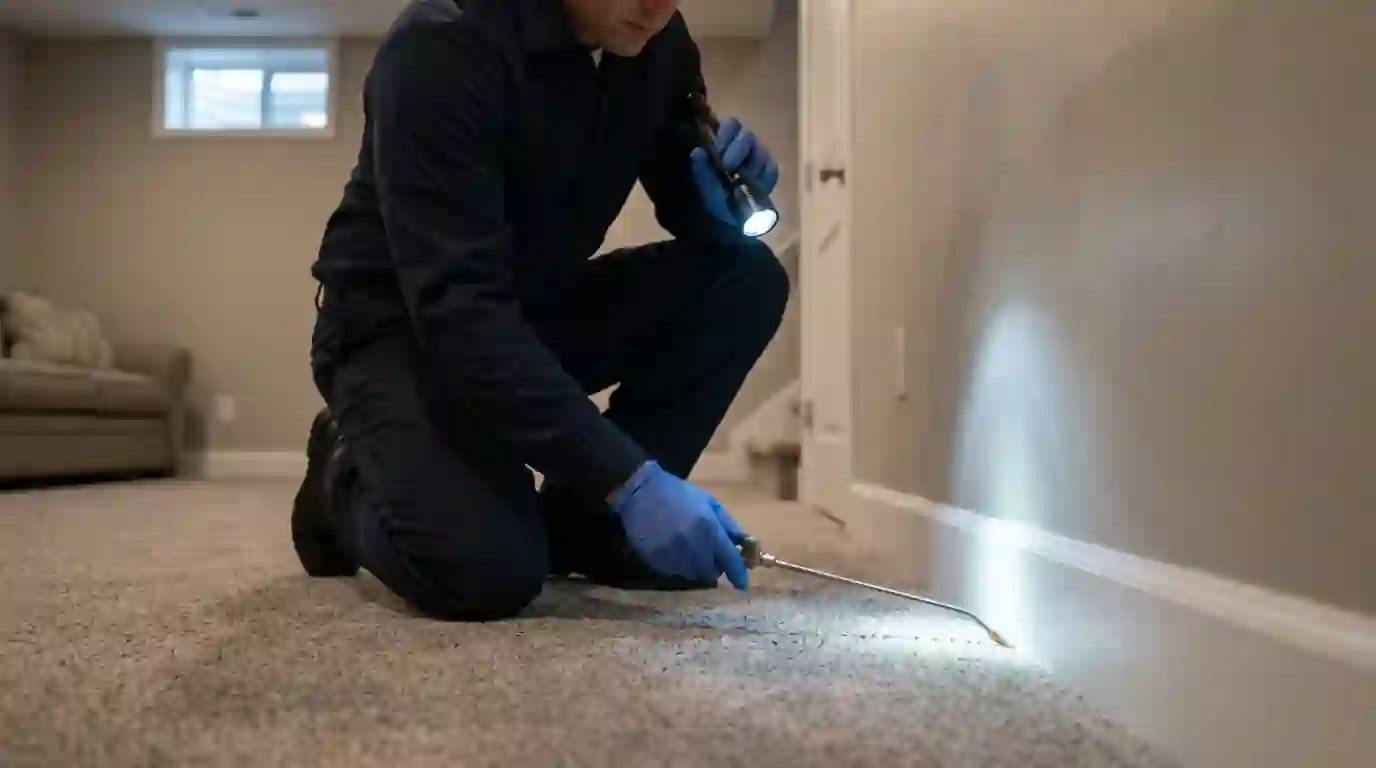
Low-odor products placed into gaps along baseboards, under sinks, behind appliances and around plumbing, where insects hide and travel.
Exterior perimeter barrier
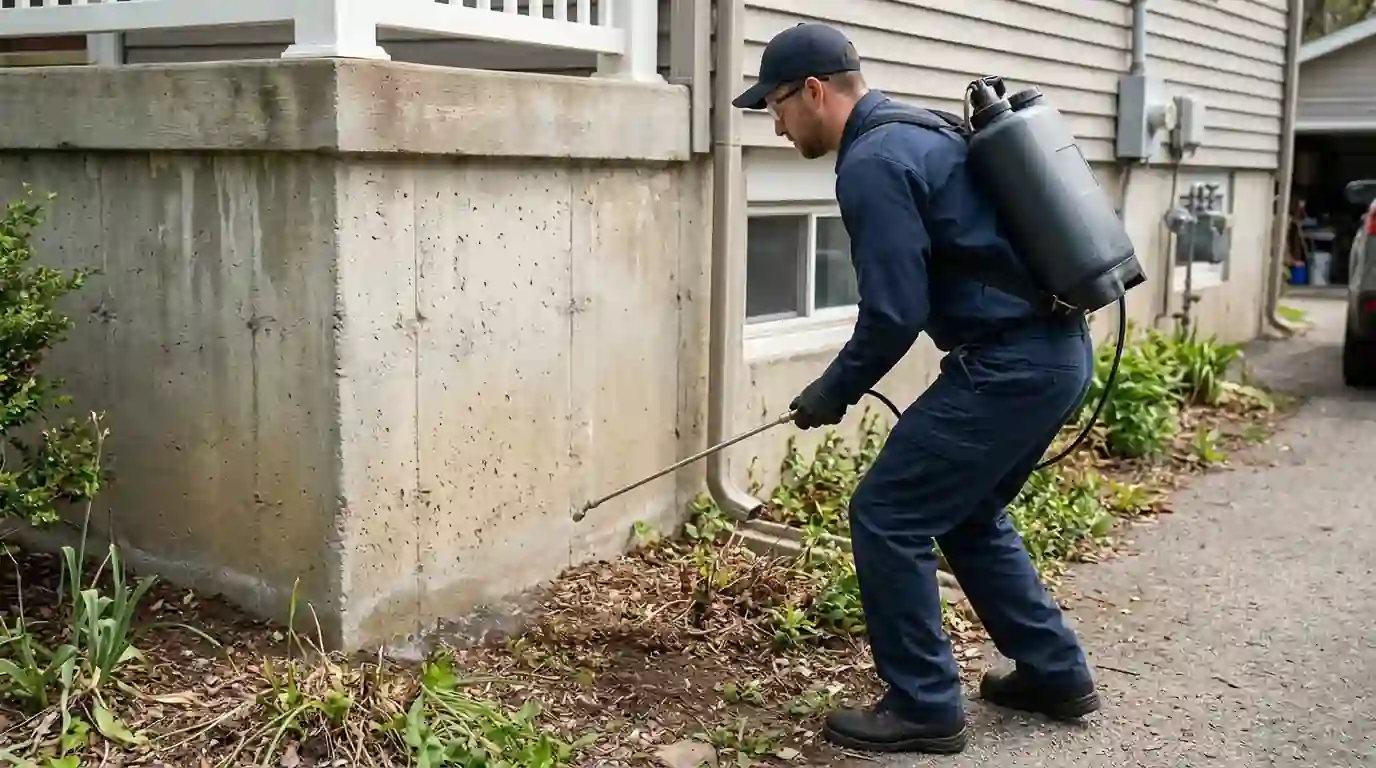
A residual band around the foundation and the first stretch of siding, plus door thresholds, weep holes and utility entries.
Eave and web sweep
Webs, egg sacs and small paper wasp nests brushed out of eaves, soffits, porch lights and window frames.
Window well and garage treatment
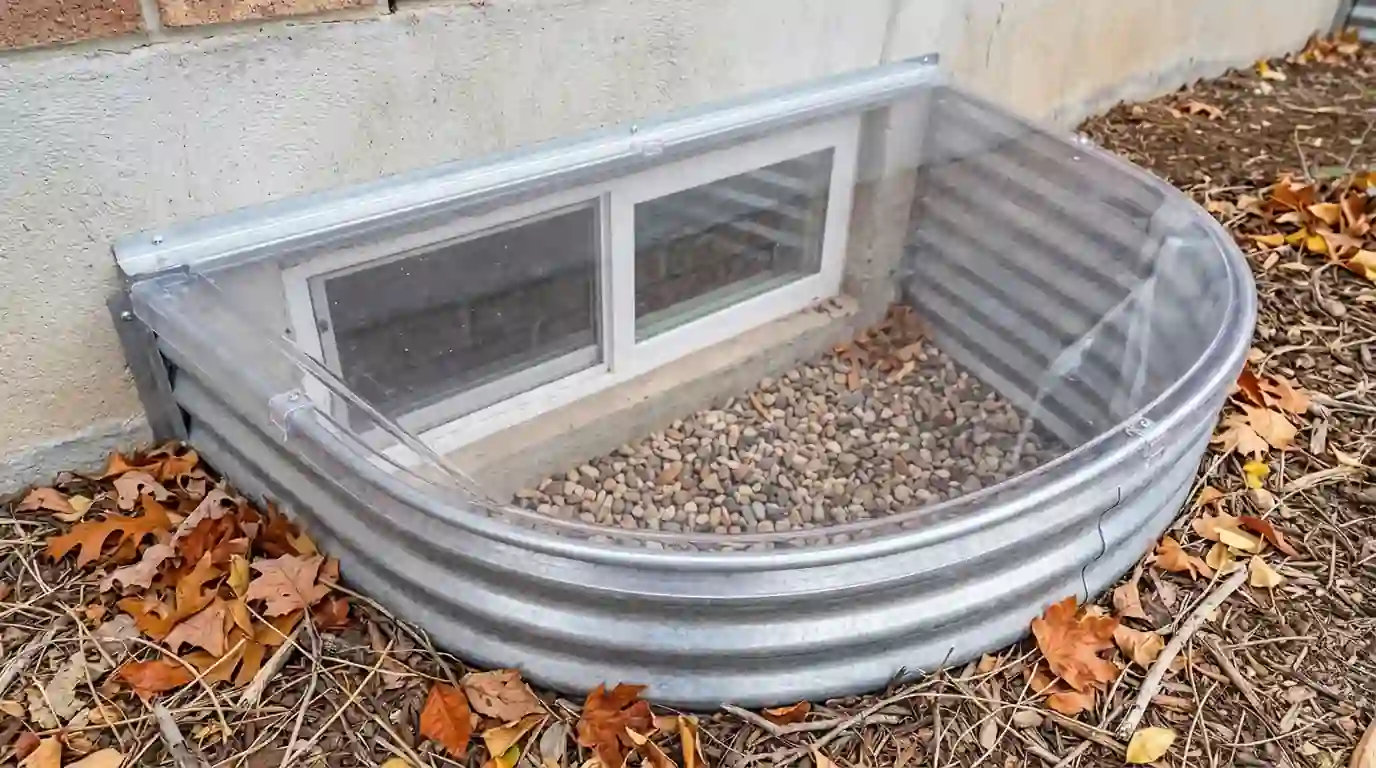
Window wells cleared of webs and treated, and the garage perimeter, door seal and storage corners checked for spiders and mice.
Do it yourself?
What helps between visits
What you can do today
- Keep mulch and soil a few inches below the siding and pulled back from the foundation.
- Clear leaves out of window wells, and add covers if the wells collect water.
- Store firewood and yard waste away from the house.
- Replace worn garage door bottom seals and door sweeps.
What to leave alone
- Spraying store-bought repellents over our barrier, which can scatter ants into the walls.
- Bug bombs in a basement, which rarely reach the cracks pests live in.
- Sweeping or vacuuming rodent droppings; wet them with disinfectant first.
- Sealing a hole mice are using before they're gone, which can trap them inside.
How the visit goes
What happens on a residential visit
Walk the outside
Foundation, window wells, weep holes, the garage seal, eaves and the damp spots sprinklers create.
Check the inside
Basement perimeter, furnace room, under sinks, the garage wall and wherever you've been seeing pests.
Treat the perimeter
A residual barrier along the foundation and around doors, windows and utility entries.
Treat the hiding spots
Crack and crevice work inside, plus a web and nest sweep along the eaves and porch.
Report and plan
What we found, what we used, what you can change, and whether a plan or a follow-up makes sense.
Before we arrive
How to get the house ready
- Clear a path along basement walls and around the furnace room.
- Move stored boxes a few inches off the garage walls.
- Pick up pet bowls and toys from floors we'll treat.
- Put small pets in a room we aren't treating.
- Unlock side gates and tell us about dogs in the yard.
- Turn off sprinklers the morning of the visit.
- Show us where you've seen pests, even if it was once.
- Keep kids and pets off treated surfaces until they dry.
Warning signs
Signs your home needs more than a can of spray
Sign 01
New webs every few days
If window wells and corners fill up again within a week of clearing, spiders are breeding nearby, not just passing through.
Sign 02
Trails that come back
Ant lines that return to the same spot after cleaning mean a colony outside or in a wall is still feeding.
Sign 03
Bugs in the basement and laundry room
Earwigs, crickets and silverfish indoors usually point to moisture and gaps along the foundation.
Sign 04
Clusters on sunny walls
Boxelder bugs gathering on the south side in late summer will try to get in once the nights cool.
Sign 05
Droppings in the garage
Small droppings near stored bags, bird seed or pet food mean mice have found a way in before winter.
Salt Lake conditions
Why Salt Lake houses need a foundation-first approach
Salt Lake City's median home was built in 1965, and about a quarter of the city's homes predate 1940. Age shows up where pests care about it: settled foundations, gaps around old utility lines, basement window wells and garage doors that no longer seal. About 43 percent of the city's housing units are detached single-family homes, many with basements, so the lower walls and wells are where we spend the most time on a visit.
That's why a residential visit here starts outside and low. A treatment that only covers kitchen baseboards misses the places Salt Lake pests actually come through.
Sources: point2homes.com
Product lines like these cover most general visits: non-repellent and residual sprays for the perimeter, gel baits for indoor trails and growth regulators for breeding sites.
- Alpine WSG
- Demand CS
- Suspend PolyZone
- Temprid
- Gentrol
- Tempo
- Advion
- Maxforce
Timing
How long a residential treatment takes to work
- Day of the visitMost homes take about an hour. Keep people and pets off treated surfaces until they're dry.
- First weekYou may see more insects for a few days as they cross the barrier and die off. That's normal.
- Two to three weeksActivity should drop off sharply. Ants and spiders that keep showing up after this point need a second look.
- Next seasonResidual products fade with sun and irrigation, which is why quarterly plans time a new visit to each season.
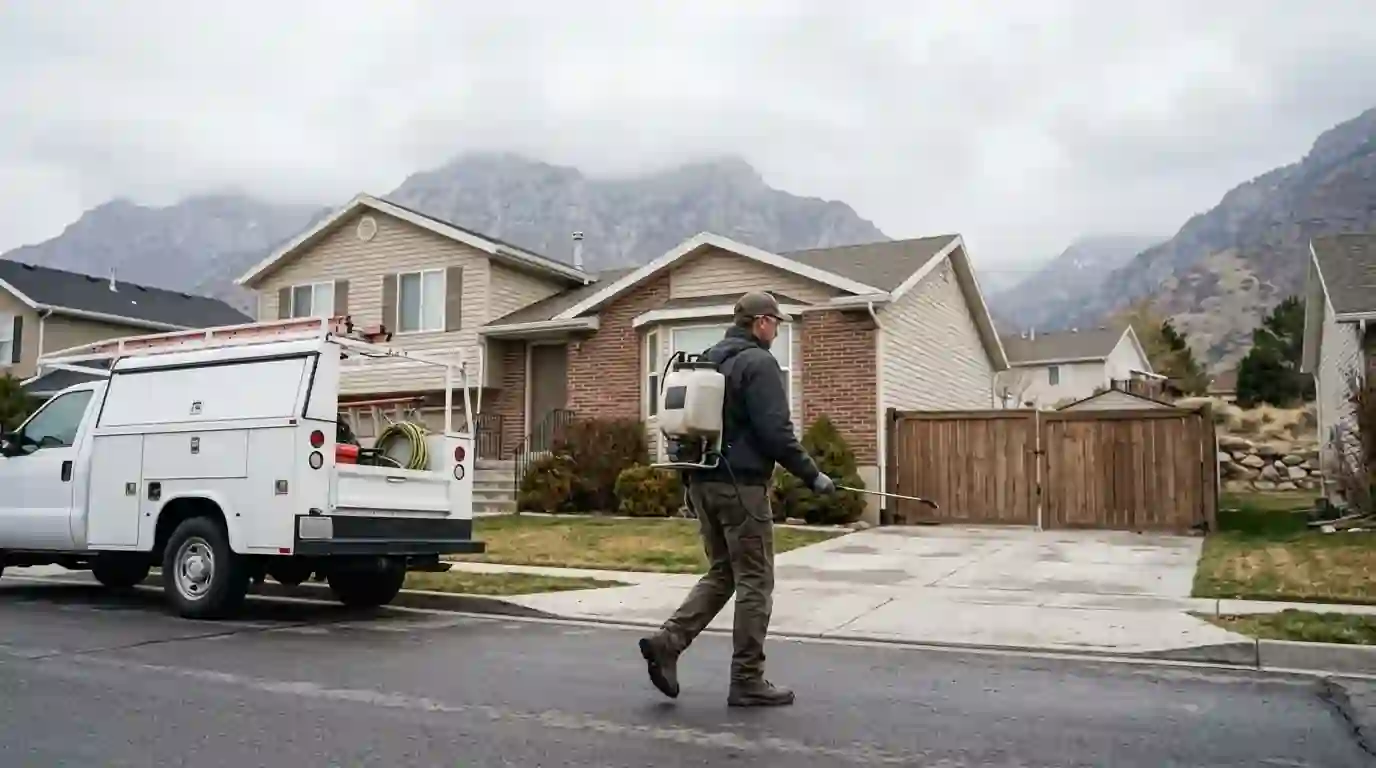
Most of the work happens where you rarely look
Window wells, weep holes and the gap under the garage door do more to invite pests than anything inside the kitchen.
Call (801) 516-0135Side yards and window wells are where most Salt Lake pest problems start.
FAQ
Residential pest control questions from Salt Lake homeowners
Still unsure? (801) 516-0135 is answered around the clock.
Products go where pests travel, not across open floors, and we tell you how long to keep kids and pets off treated areas, usually until surfaces are dry. Let us know about fish tanks, birds or reptiles so we can plan around them.
Most homes do well with four seasonal visits, or at least a spring and a fall treatment. A single visit can be enough if the problem was one flare-up.
Only where it's needed. Most of the work on repeat visits is outside, where it stops pests before they get in. We treat inside whenever you're seeing activity.
Usually not for a general treatment. You just need to stay off wet surfaces. Heavier jobs like bed bug or cockroach work come with their own prep and re-entry times.
Common crawling insects such as spiders, ants, earwigs, silverfish, crickets, centipedes and boxelder bugs. Termites, bed bugs, wildlife and heavy rodent problems need their own service.
Call us. Some pests take a second pass, and we'd rather come back than have you living with it. On a plan, the next visit can be moved up.
Yes. In attached homes we focus on your unit and its shared walls, and it helps to know whether neighbors are seeing the same pest.
Related services
More from home pest control & plans
From the Pest Library: Quarterly pest plan or one-time treatment?
Talk to us
Want the house treated before the next season turns?
Call now to set up a residential visit. A real person answers, day or night.
Homes, rentals and businesses across Salt Lake, Davis, Weber, Box Elder, Morgan, Tooele and Utah counties.
